
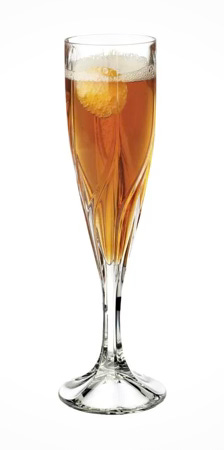
Today’s DOTD - Drink Of The Day - is a Champino Cocktail or Mocktail inspired by International Safety Pin Day, & the “birth” of the modern safety pin - the day that marks the 1849 patenting of the safety pin by American inventor Walter Hunt. We chose the Champino for today because it’s sometimes described by bartenders as Campari pinned to champaign. It’s also a great spring drink.
Walter Hunt & The Invention of the Modern Safety Pin
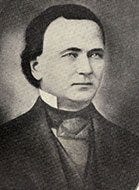
Walter Hunt (1796-1859) was a mechanic living in New York state, a prolific inventor, a man whose ethics and humility prevented him from profiting greatly from his inventions.
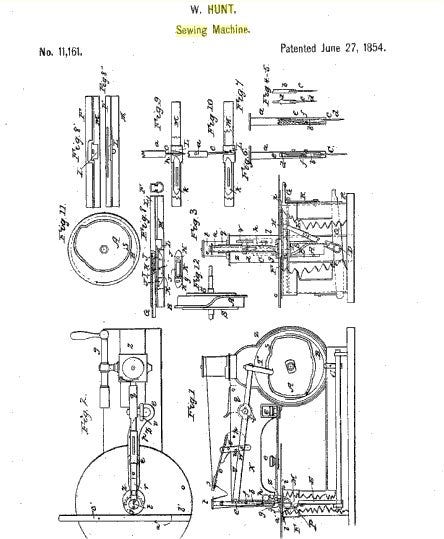
In 1846, Hunt invented the lockstitch sewing machine, and suggested to his daughter that she manufacture the device. When she pointed out to him that this machine would put many poor women in the garment industry out of work, hunt dropped the idea and never patented his invention.
In 1849, Hunt was struggling financially. Reportedly, he sat in his workshop, worrying about how to pay off a $15 debt he owed to a friend, while playing with a length of wire. As he was twisting it, he discovered that when coiled and then clasped to itself, the wire retained enough spring to be unclasped and clasped again. He completed a prototype and several design sketches in one evening, patented the device on April 10th, 1849, and subsequently sold the patent for $400 to W.R. Grace and Company to pay off the debt to his friend.
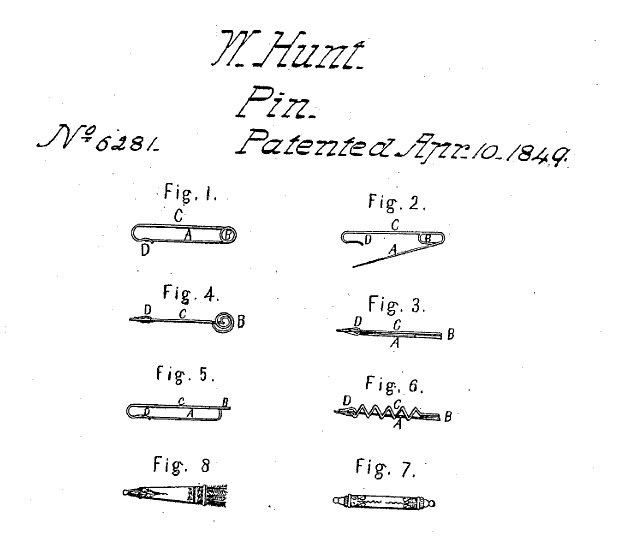
The design of the safety pin has remained virtually the same ever since. In addition to the safety pin and lockstitch sewing machine, Hunt also invented the a forerunner of the Winchester repeating rifle, a successful flax spinner, a knife sharpener, a fountain pen, a rope-making machine, a streetcar bell, hard-coal-burning stove, artificial stone, street sweeping machinery, the velocipede, and the ice plough. He sold the patents to most of his inventions for minimal sums, lived modestly, and received little recognition for his many inventions after his death.
Mass Production Of The Safety Pin
For centuries, metal pins remained expensive and costly items. The term “pin money,” originally referred to the custom of a head of household presenting the lady of the house with a sum of money on the first or second day of January, which she would use to purchase her pins for the year. However, the mechanization of production in the 1800’s changed the cost and status of the safety pin. In 1838, Samuel Slocum founded a pin factory in Poughkeepsie, NY, capable of producing 100,000 pins a day. Most safety pins today are made from steel, brass, and stainless steel. Today, over 3 million safety pins can be made by one factory in a single day.
Safety Pins In Punk Rock and Fashion
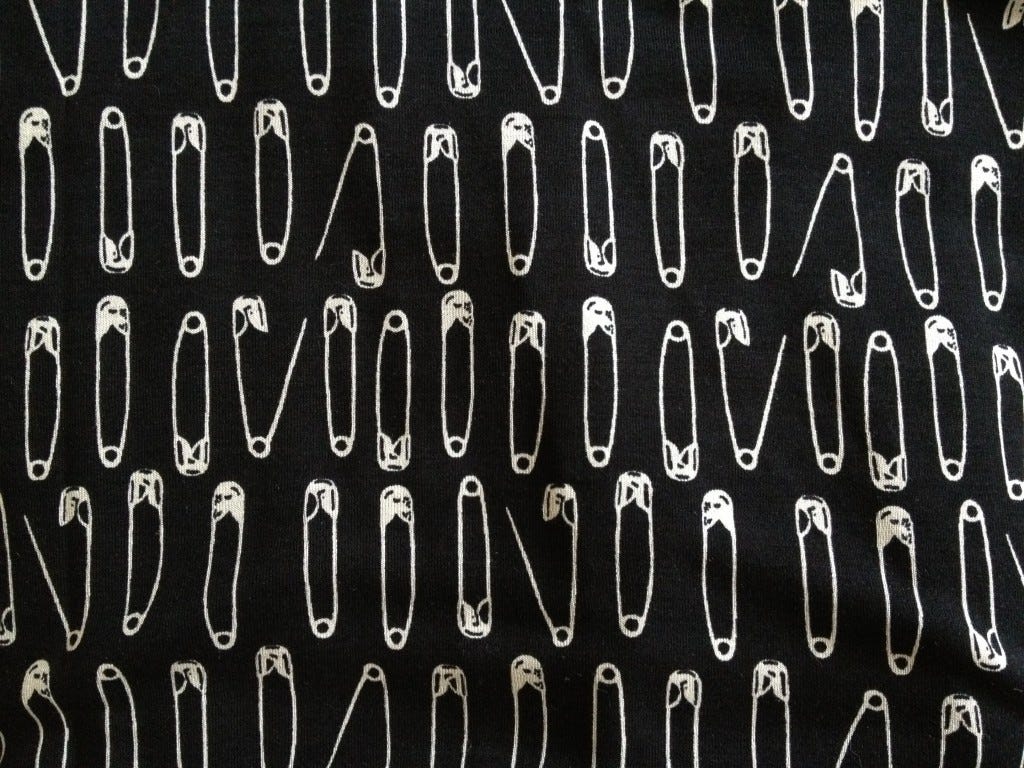
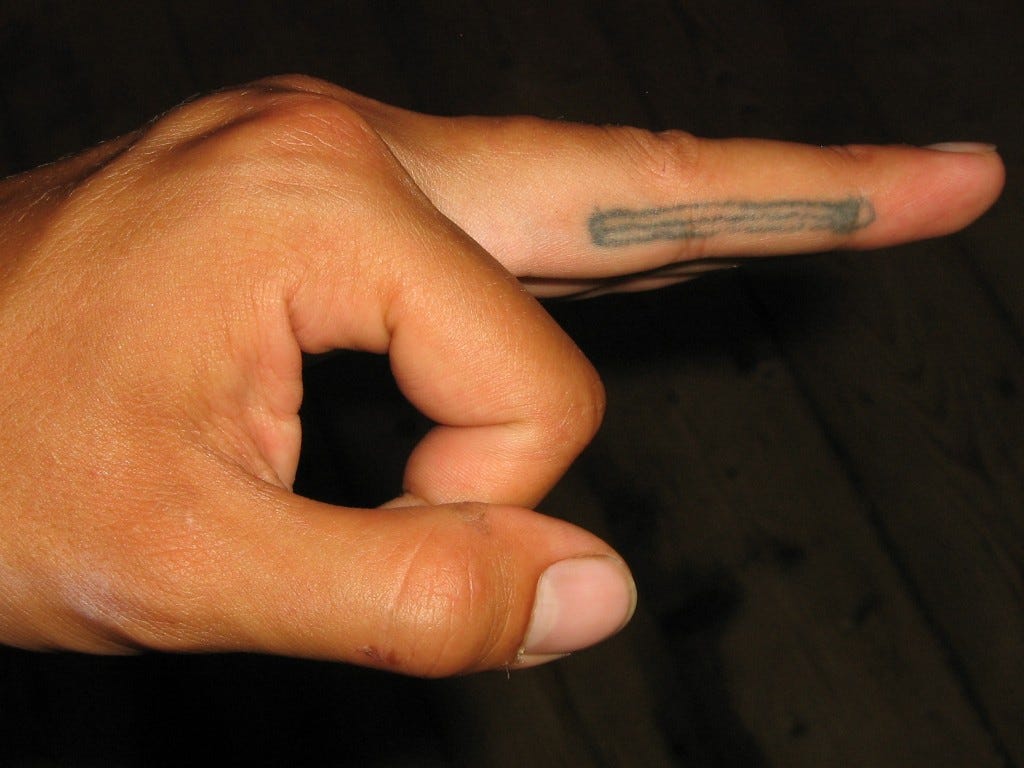
In the 1970s, punk rock emerged with its own particular aesthetic, which some attribute to Richard Hell, songwriter, singer, writer, & bass guitarist for bands like Neon Boys, Television, the Heartbreakers, and Richard Hell & the Voidoids. Some rock historians contend that the adoption of the safety pin as part of the punk look came from Hell’s early accessorizing. Others - notably Johnny Rotten of the Sex Pistols - dispute this claim, insisting that safety pins were originally incorporated for more practical reasons, for example, to remedy “the arse of your pants falling out”. Safety pins came to be used for body piercings and clothing decoration, and grew to be a symbol of punk culture among media and pop culture outlets. The “stick and poke” tattoo is a popular form of DIY (Do It Yourself) tattooing that utilizes a safety pin and ink.
The Safety Pin in Sports
Given the huge amount of money spent on sports wear and team outfits, why has no one come up with a better solution for attaching the competitor’s numbers to their vests other than using safety pins?
Well, it’s a matter of logistical convenience, says Andy Dixon, editor of Runner’s World. “Safety pins still trump self-adhesive labels, as the latter still depend upon how dry the material is when applied, and can sometimes come unstuck during rain or when the athlete gets sweaty,” says Dixon. “For all their low-tech utilitarian nature, safety pins are clearly a successful product design – they have been around since before the first modern Olympics were even a glint in Baron de Coubertin’s eye.”
The Safety Pin Today, As Fastener & Symbol
Although more modern fasteners like velcro have been introduced in the 20thcentury, the safety pin remains an everyday necessity throughout the world.
Its simplicity, elegance and household presence make it not only an item of utility, but also of culture and tradition. In some places in India, for example, safety pins and sewing needles are kept for generations and passed from mother to daughter. In the Ukraine it is still a practice today to pin safety pins to the inside of a child’s clothing, to ward off evil spirits. In many European countries, finding a safety pin is good luck, and a portent of good fortune.
As a visible symbol, safety pins are worn to note solidarity, allyship, and quiet protest against discrimination, particularly toward marginalized groups, immigrants, and the LGBTQ+ community. They picked up that symbol in the past ten years, post-Brexit in the UK, and in the U.S. after the 2016 election, they indicate that the wearer is a safe person.
With that in mind, it’s time to proudly get to today’s Drink Of The Day, a Champino Cocktail or Mocktail.
Ingredients
Here’s what you’re going to need for this drink:
