
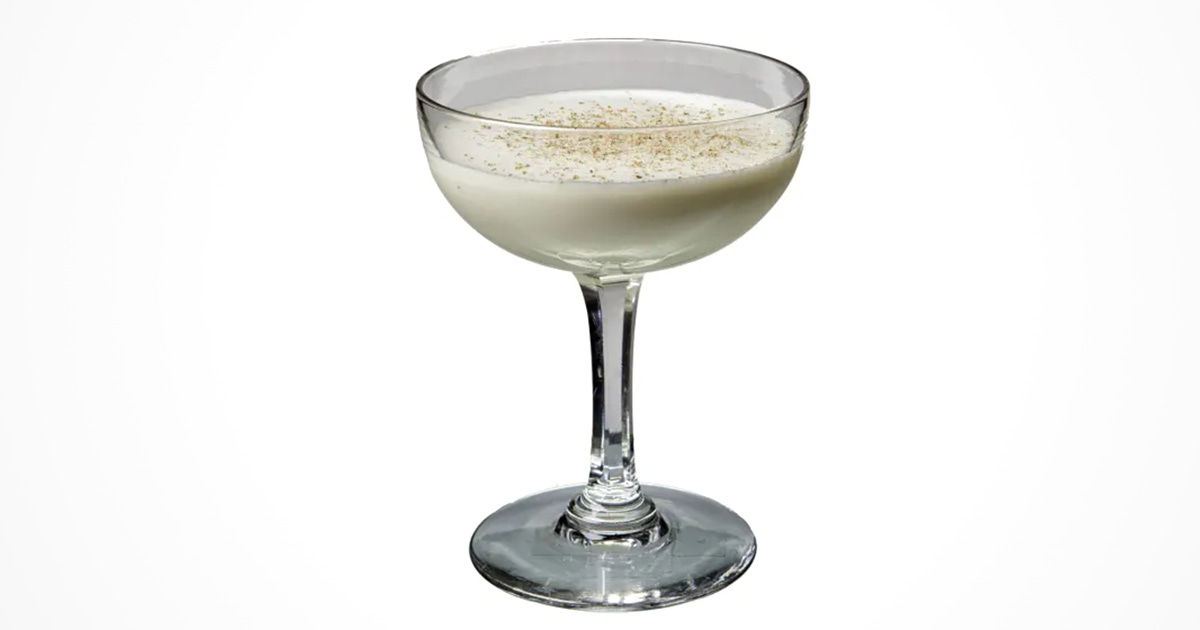
Today’s DOTD - Drink Of The Day - is a Hair of the Dog Cocktail & Mocktail, inspired by Snuppy, the first cloned dog.
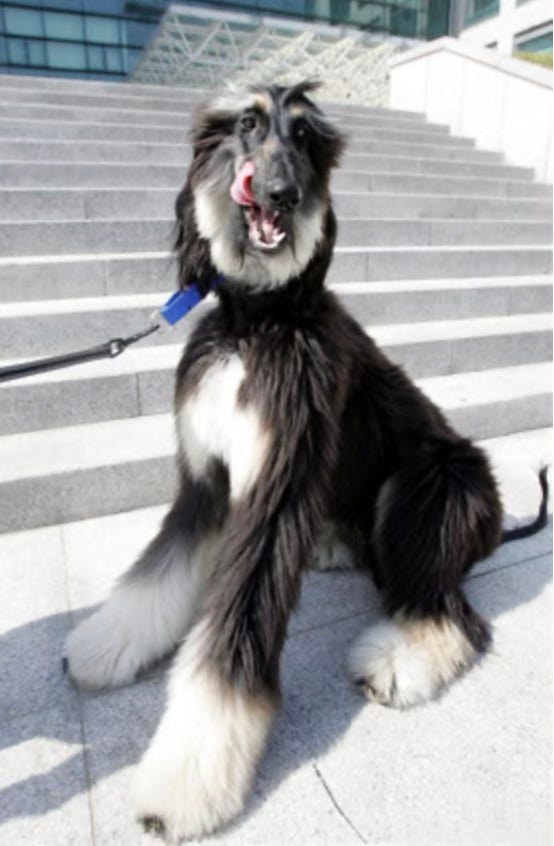
On March 13, 2016, Seoul National University (SNU) College of Veterinary Medicine acknowledged that the world’s first cloned dog, Snuppy, had died in May of 2015 after celebrating his 10th birthday.
Snuppy, whose name is a combination of”SNU” and”puppy,” was born on April 24, 2005, as the result of the research led by Hwang Woo-Suk, a former SNU professor of biotechnology. The male Afghan hound was created through two years and eight months of research that began in August 2002. When Hwang’s previous works on stem cell research were revealed to be fabricated, Professor Lee Byeong-Cheon (College of Veterinary Medicine) replaced his position as team leader, after other scientists confirmed that Snuppy was authentically cloned.
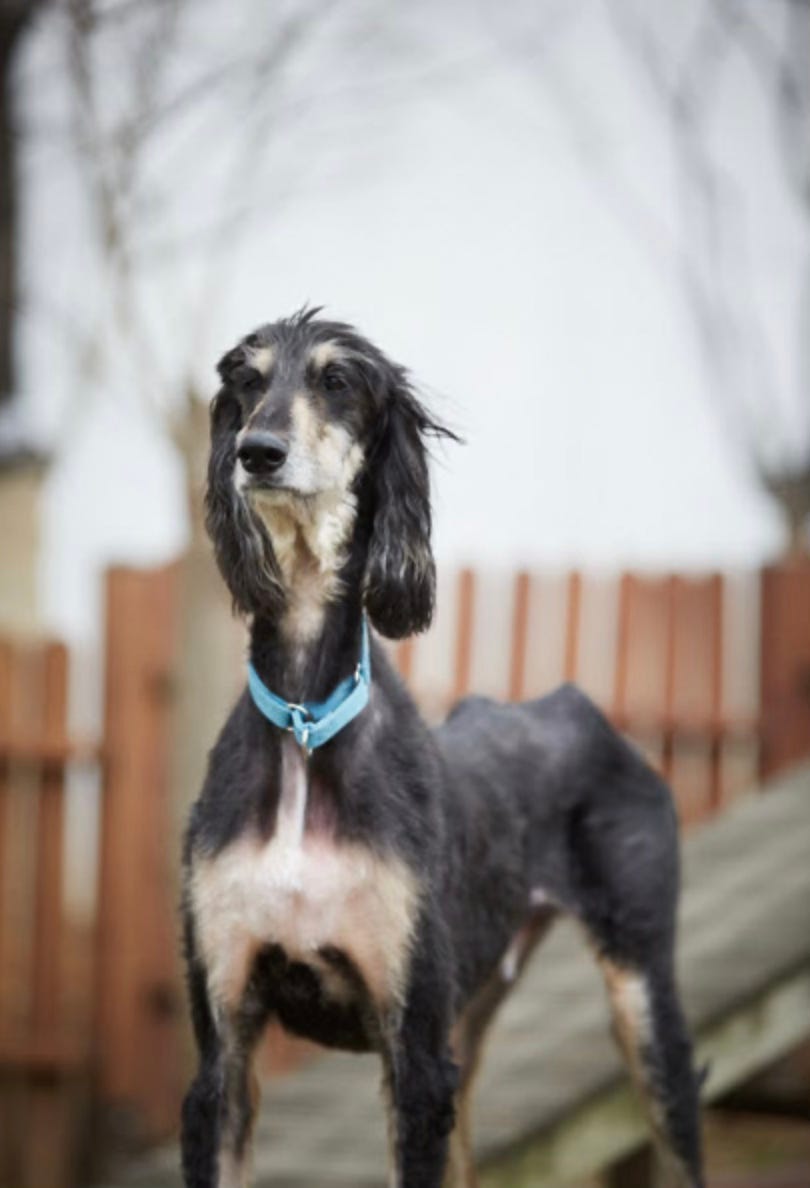
The somatic cell cloning technique used to create Snuppy was similar to the one that created Dolly, the cloned sheep, in 1996. A team of 45 scientists took a piece of tissue from the ear of a three-year-old Afghan hound, manipulated it into 1,095 embryos, which were implanted into 123 surrogate mothers. Such efforts led to three pregnancies, but one ended in a miscarriage and the other died of pneumonia shortly after its birth. As a result, Snuppy was the only successfully cloned dog that lived a normal lifespan.
Before Snuppy’s birth, scientists worldwide had already succeeded in cloning other animals such as cats, pigs, horses and sheep, with Dolly being the first cloned mammal. However, a the time of Snuppy’s birth, dogs were considered very difficult to clone because a female canine ovulates only twice a year and canine egg cells are not mature at the time of ovulation. Hwang’s research team was able to overcome this difficulty by determining the exact period and location of egg cells as they mature inside the body, as well as devising a method to mature canine embryos outside the ovary.
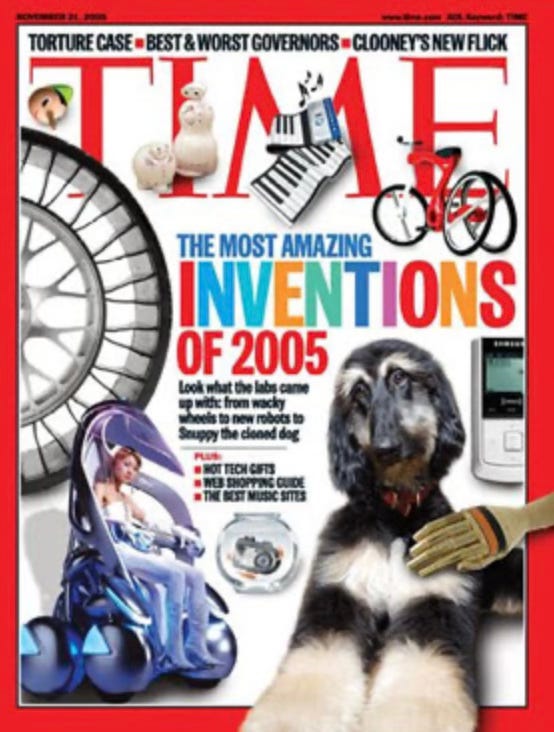
Snuppy’s creation was met with much praise in science & academia, with the cloning technology receiving public recognition as the ”most amazing invention of 2005” according to Time magazine. Scientists believed because dogs have many illnesses in common with humans, successful canine cloning, as demonstrated through Snuppy, would allow scientists to eventually be able to develop scientific models to cure human diseases such as diabetes and Parkinson’s disease. Furthermore, Snuppy’s relatively long lifespan proved that cloned animals can live as long as natural-born ones.
Snuppy also sired ten puppies through an artificial insemination procedure with two other cloned female dogs, thereby demonstrating that cloned animals have normal reproductive functions. And to take it one step further, the scientists who cloned Snuppy also created clones of him, proving that you can clone a clone.
In a salute to Snuppy - and to science - let’s have a round of today’s Drink Of The Day. a Hair of the Dog Cocktail & Mocktail!
Ingredients
Here’s what you’re going to need for this drink:
