
Today’s DOTD - Drink Of The Day - is a Chinese Whisper Cocktail inspired by The Hungry Ghost Festival.
Honoring dead ancestors is a tradition found across cultures—think Mexico’s Día de los Muertos or Japan’s Obon festival. But few observances are as vivid as the Hungry Ghost Festival, which originated in China but has spread widely to Chinese-speaking communities across much of Asia and the wider global Chinese diaspora.
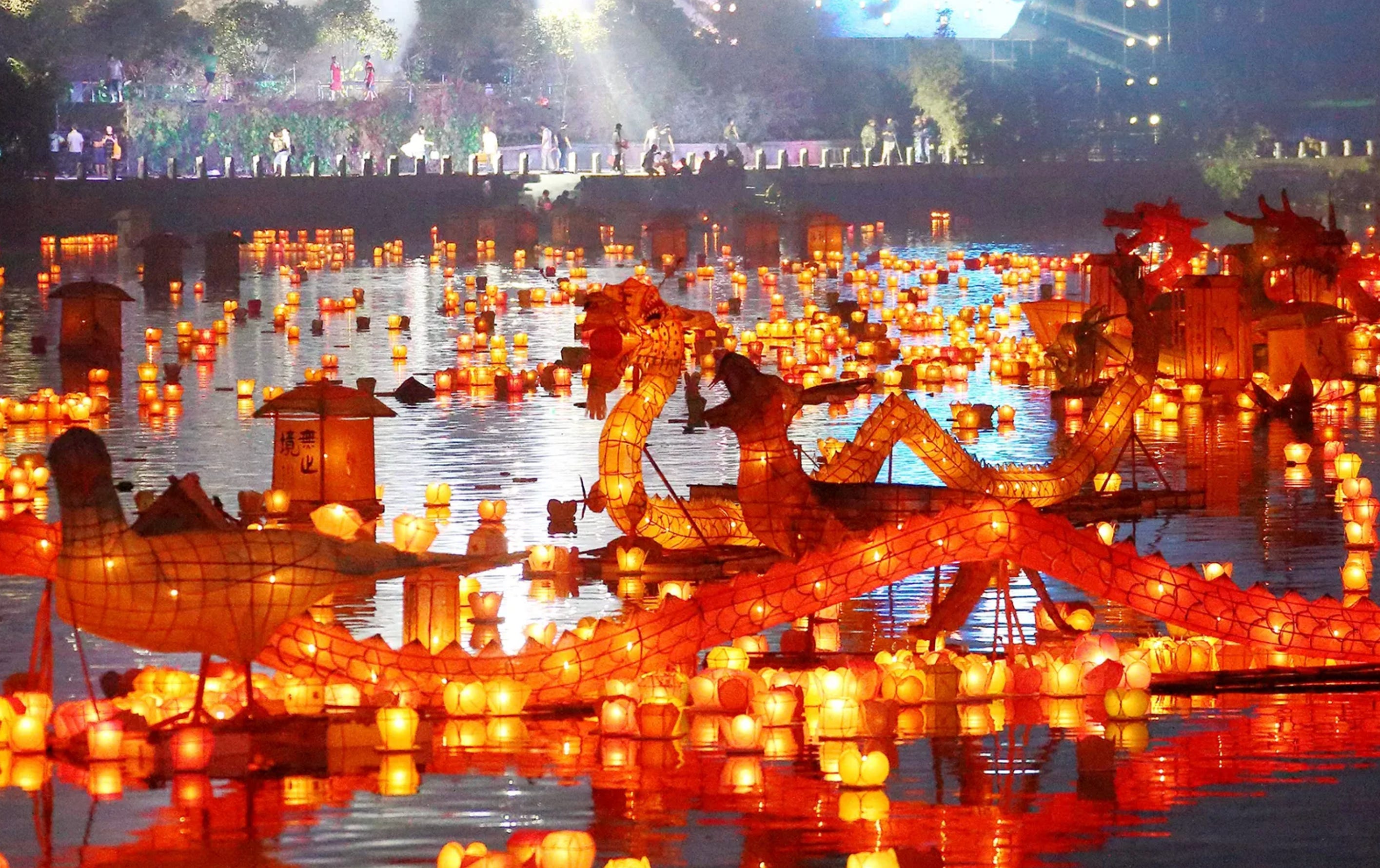
During the Hungry Ghost Festival, it’s believed that the gates of the underworld swing open for a month, letting restless spirits wander among the living. Families and communities pull out the stops to welcome, feed, and comfort the spirits. Equal parts reverent and eerie, the festival offers a striking glimpse into how Taoist and Buddhist communities throughout Asia view death, the afterlife, and how best to honor and commemorate the departed.
What Is The Hungry Ghost Festival?
The Hungry Ghost Festival is one of Asia’s most dramatic ways of honoring the dead. For those who celebrate, it’s a time when hungry—and sometimes angry—spirits return to the earthly realm in search of solace. To appease them, the living perform rituals meant to show respect and provide comfort. People leave offerings of food and incense and burnt paper effigies of money, cars, TVs and other valuables. Neighborhoods come alive with a wide range of performances and events that turn remembrance into a shared spectacle.
The festival peaks on the 15th day of the seventh lunar month, usually falling in August or September on the western calendar. But the entire seventh lunar month—often called “Ghost Month”— is believed to be a time when spirits roam freely, with rituals and gatherings happening all month.
Widely celebrated in China and other Chinese-speaking countries like Singapore and Taiwan, the Hungry Ghost Festival is also observed in Southeast Asian countries such as Malaysia and Indonesia, where there are significant Chinese populations. Related festivals happen in Vietnam—where it’s known as the Vu Lan festival—and Thailand, where it is called Phi Ta Khon and held earlier in the year. The tradition has also traveled around the world through the Chinese diaspora. In San Francisco for example, the Chinese Culture Center notes that such festivals once offered “a sense of peace” to early immigrants “grappling with grief, generational traumas and the ache of familial separation” amid migrations, wrongful deaths and exclusions.
Where Did The Hungry Ghost Festival Originate?
The festival has roots in China, in both Taoism and Buddhism—with each faith offering its own interpretation—often mixed with Chinese folklore. Taoist beliefs center on appeasing spirits and honoring the three deities said to govern human fate: the rulers of heaven, earth and water. During Ghost Month, Taoist priests perform rituals and offer food to the ghosts, while worshippers flock to temples to repent and pray for happiness and freedom from misfortune.
Buddhist tradition emphasizes filial piety—the duty to honor and care for elders and ancestors. A well-known Buddhist legend explains the origin of the holiday, from the Buddhist perspective. The legend tells of a monk named Mu Lian, who ventured into the underworld to save his suffering mother, who had been sent to hell for consuming meat as a vegetarian. Only through prayers and food offerings was he able to help ease her torment. The story helped enshrine the practice of feeding hungry ghosts as an act of compassion and devotion.
How To Honor & Celebrate The Hungry Ghost Festival
To honor the Hungry Ghosts, people set up food feasts on outdoor altars, light incense, float water lanterns, and burn spirit money - a type of ceremonial paper burned in traditional Chinese and East Asian spiritual practices to send wealth and material goods to deceased ancestors & deities in the afterlife. It’s also recommended to follow protective taboos to respect wandering spirits. Those taboos include refraining from starting major life events like moving houses, changing jobs, or marrying. It’s also recommended not to swim in deep water, or step on food offerings left on the ground.
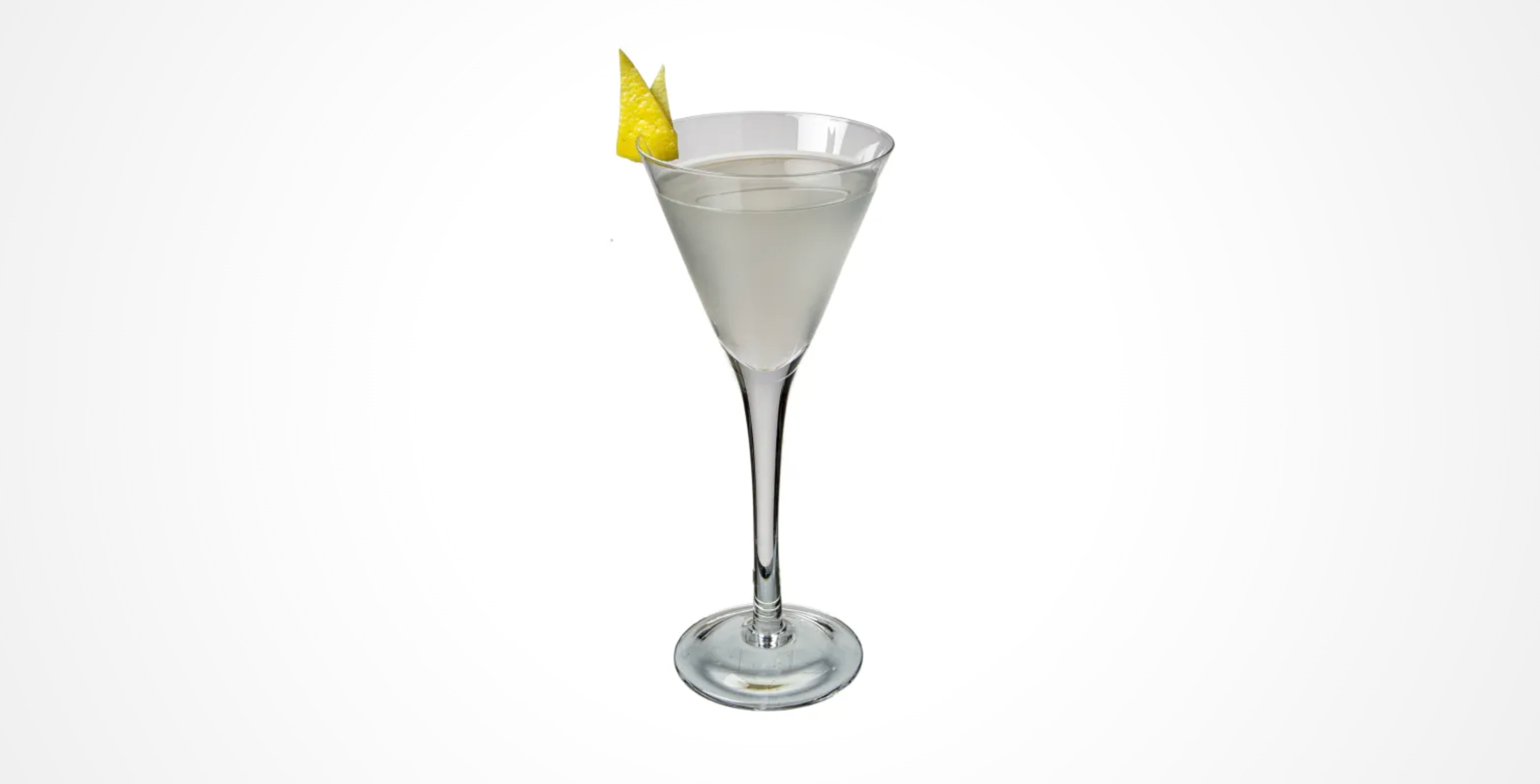
Thankfully, the spirits say nothing about refraining from a good cocktail. So we’re going to make today’s Drink Of The Day, a Chinese Whisper Cocktail, to celebrate.
Ingredients
Here’s what you’re going to need for this drink:
