
Today’s DOTD - Drink Of The Day - is a Fancy Free Cocktail inspired by International Plastic Bag Free Day - who knew that was a thing? Also, getting rid of plastic would be good for the environment and the country - and we realize that MANY Americans are not feeling like they want to celebrate the current steaming pile of sh** the monsters on the right have turned this country into.
Still, if you are celebrating the best of America this weekend, with your diverse & inclusive group of friends, you can hit the DOTD archive and grab our recipe for an Americano cocktail or a Red, White, & Blue Layered Cocktail both of which are excellent drinks for celebrating what America could & should be.
For us? We’re puttin’ this one in the bag. 😜
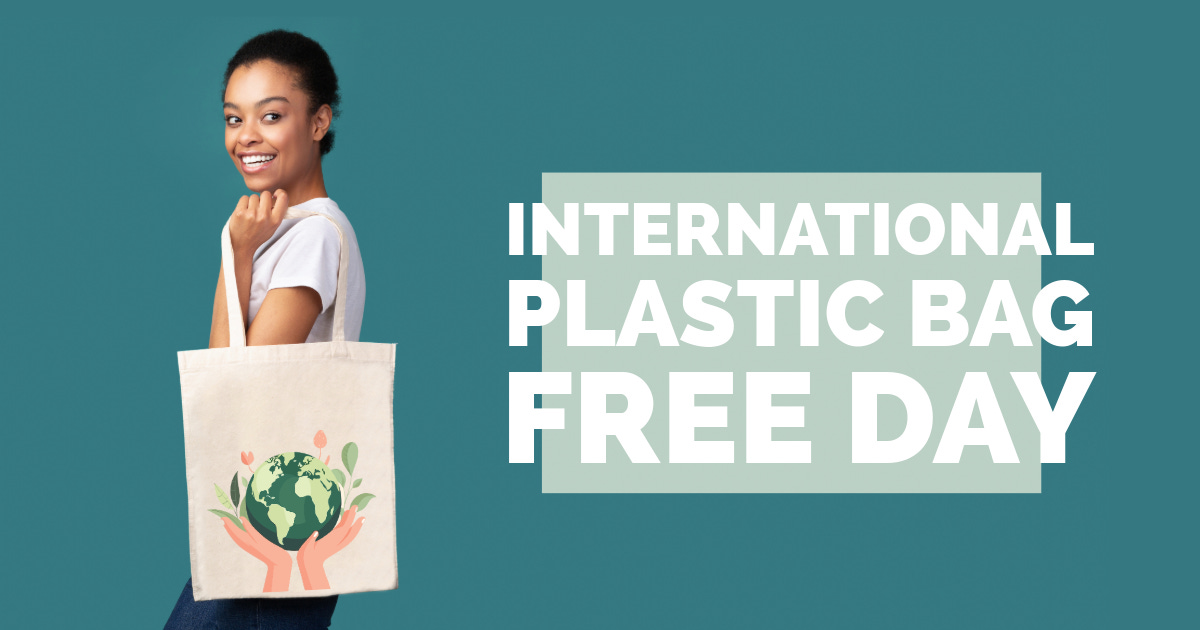
HISTORY OF INTERNATIONAL PLASTIC BAG FREE DAY
International Plastic Bag Free Day, celebrated on July 3, is a global initiative that aims to eliminate the use of plastic bags. Plastic bags may seem like a grocery shopping convenience, but they are also a huge strain on the environment. It can take up to 500 years for plastic bags to disintegrate, so they make up a large portion of what stays in our landfills and pollutes our waterways.
For most of human history, single-use products were blasphemous. But through the end of the Industrial Revolution and into the modern era, plastic became a cheap and plentiful resource. Plastic bags are just one perfect example.
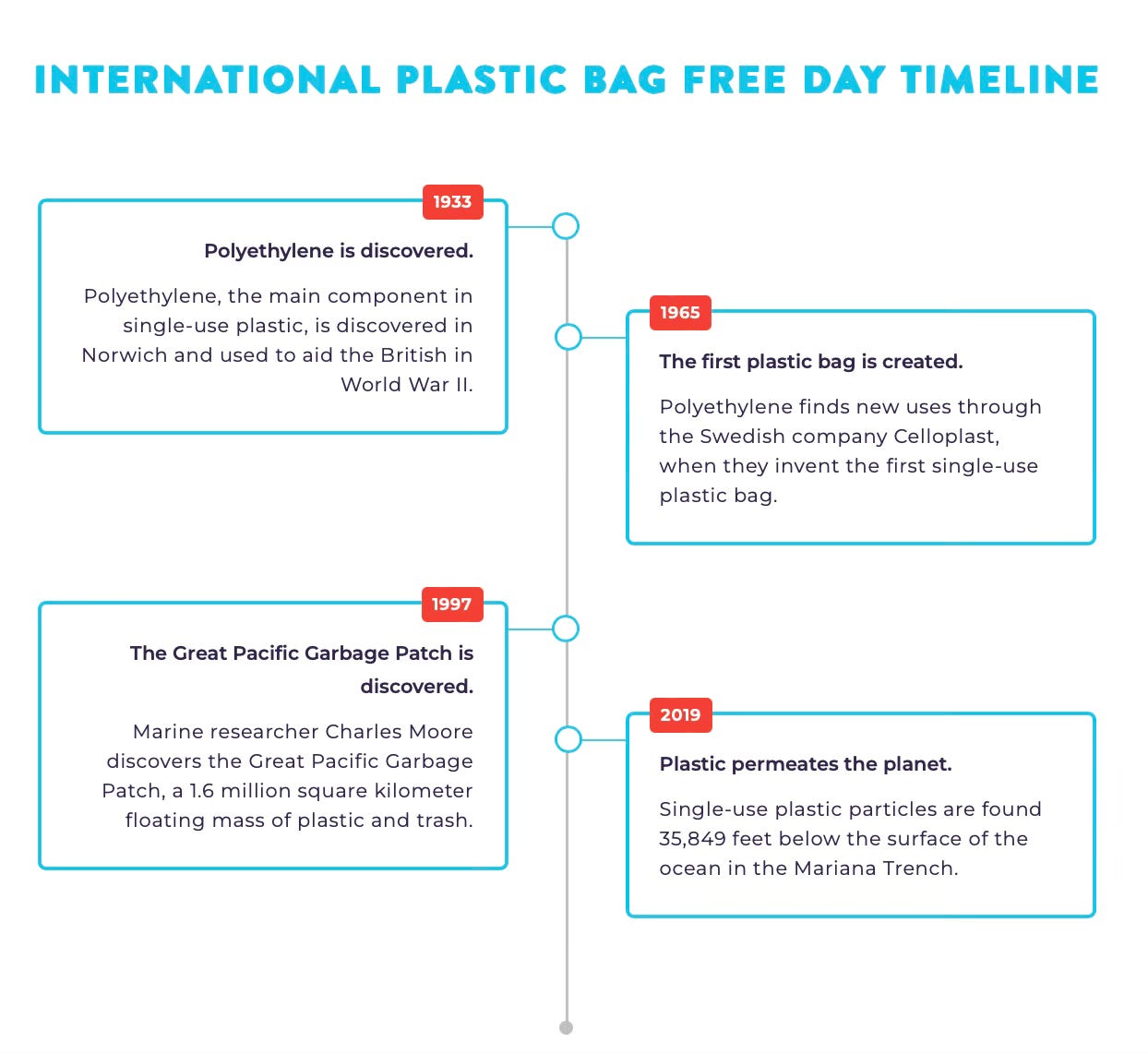
From birth to ban, the history of the plastic bag has impacted our world. In 1933, polyethylene, the most commonly used plastic, was created by accident at a chemical plant in Northwich, England. While polyethylene had been created in small batches before, this was the first synthesis of the material that was industrially practical, and it was initially used in secret by the British military during World War II.
By 1965, the one-piece polyethylene shopping bag was patented by the Swedish company Celloplast. Designed by engineer Sten Gustaf Thulin, the plastic bag quickly begins to replace cloth and plastic in Europe. After controlling 80 percent of the bag market in Europe, plastic bags went abroad and were widely introduced to the United States in 1979. Plastic companies began to aggressively market their product as superior to paper and reusable bags.
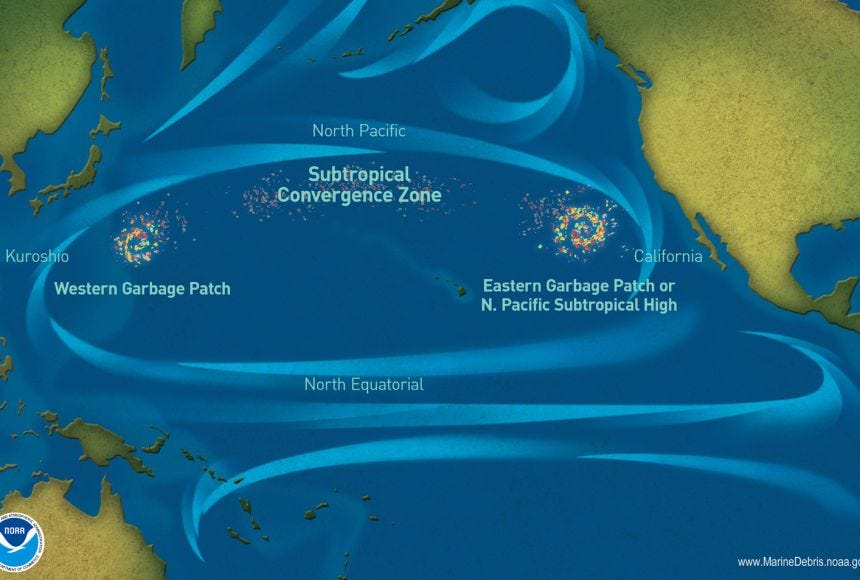
It wasn’t until 1997 that sailor and researcher Charles Moore discovered the Great Pacific Garbage Patch, the largest of several gyres in the world’s oceans where immense amounts of plastic waste have accumulated, threatening marine life. It was discovered that plastic bags are notorious for killing sea turtles, which mistakenly think they are jellyfish and eat them.
Bangladesh become the first country in the world to implement a ban on thin plastic bags in 2002 after it was found that plastic bags played a key role in clogging drainage systems during disastrous flooding. Other countries quickly followed suit, such as South Africa, Rwanda, China, Australia and Italy.
International Plastic Bag Free Day looks for safer alternatives to demonstrate that a world without the use of so much plastic is possible. It is part of the Break Free from Plastic Movement, which began in September 2016, and has been joined by nearly 1,500 different organizations. The movement is looking for solutions to the plastic pollution crisis, to make the planet safer for humans, the environment and wildlife.
INTERNATIONAL PLASTIC BAG FREE DAY FAQS
Which countries charge for plastic bags?
Bangladesh was the first country to ban plastic bags in 2002. China, Israel, South Africa, the Netherlands, Morocco, Kenya, Rwanda, Mauritania, Sri Lanka, Papua New Guinea, Vanuatu, Albania and Georgia have since implemented similar bans.
How much does it cost to make a plastic grocery bag?
Humans have made a lot of plastic bag litter — which, the E.P.A. says, can take 1,000 years to decompose. One reason for the abundance of plastic bags is economic. A standard plastic grocery bag costs about a penny to produce, according to the plastics industry, compared with 4 cents to 5 cents for a paper bag.
Which state first banned plastic bags in India?
India’s efforts to ban certain single-use plastics began in 2009, when the state of Himachal Pradesh in northern India became the first to ban plastic shopping bags. Delhi, India’s capital city, adopted a more expansive ban that included bags, cutlery, cups, and plates in 2017.
HOW TO CELEBRATE INTERNATIONAL PLASTIC BAG FREE DAY
Stop using plastic bags.
The best way to celebrate is also the easiest to do. Wherever you find yourself on July 3rd, from the grocery store to the park, to a restaurant, make sure not to use and not to ask for any plastic bags.
Reduce, reuse, and recycle!
Another spectacular way to celebrate is to recycle and upcycle the things around you. Even if you have some plastic bags lying around, don’t throw them away. You can use them as extra trash bags or an alternative to a lunchbox as just a few examples.
Practice your green thumb.
Use your day to give Mother Nature a helping hand (or thumb). It’s the perfect time to finally plant a new tree or plant some nice flowers. The planet and the wildlife around your house will thank you!
Have a drink.
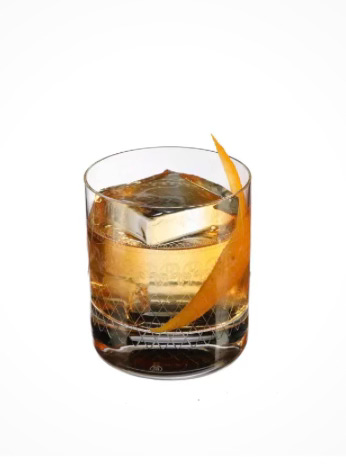
We all know, cleaning up all this plastic will be a monumental task. So pace yourself, and if the idea of it overwhelms you, have a drink, like today’s Drink Of The Day, a Fancy Free Cocktail.
Ingredients
Here’s what you’re going to need for this drink:
