
DOTD For Friday, July 31, 2026
It's Only With The Heart That One Can See Rightly; What Is Essential Is Invisible To The Eye
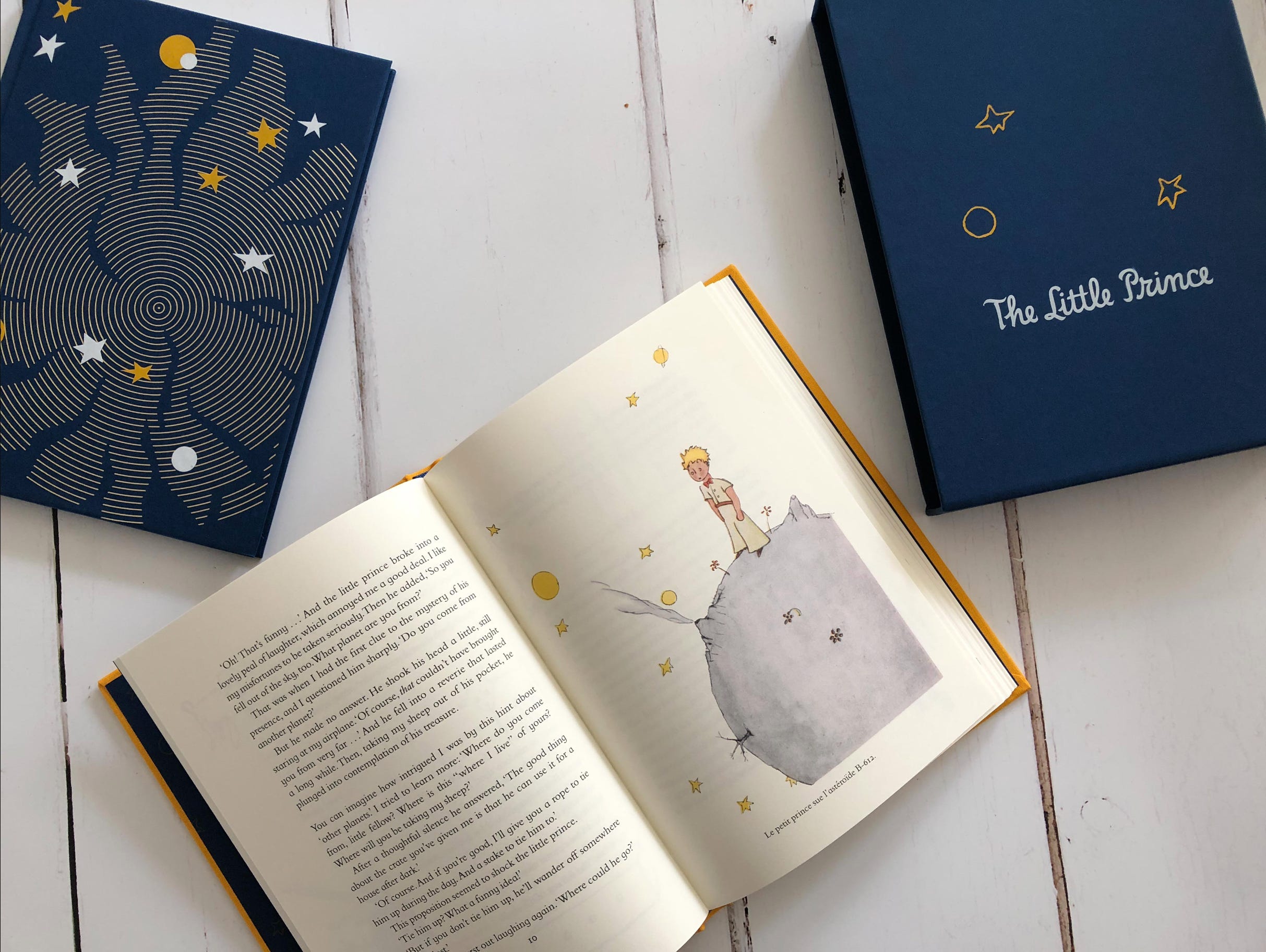
Today’s DOTD - Drink Of The Day - is an Elder Aviator cocktail, inspired by world-renowned French aviator, author, & illustrator Antoine de Saint-Exupéry who wrote & illustrated the famous book The Little Prince. Saint-Exupéry, wasn’t just a famous author, he was also was an aviation pioneer who lost his life under mysterious circumstances during World War II.
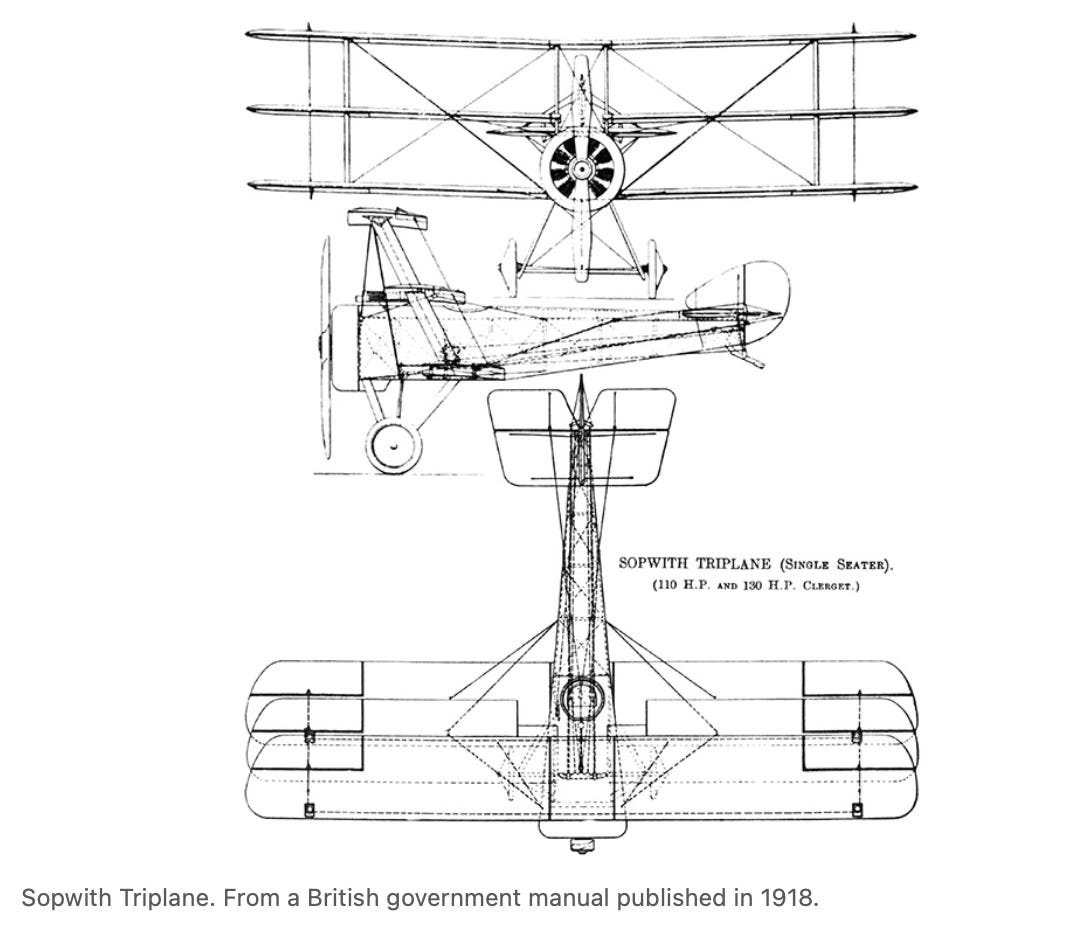
Born in Lyon, France in 1900, Antoine de Saint-Exupéry was the scion of an aristocratic family, and grew up in relative comfort, He did experience some pain, as his beloved younger brother François died of rheumatic fever at just 15 years old. Antoine was a student during World War I, and he joined the French military in 1921. His first posting was to the cavalry, but after taking his first airplane flight in 1912, Saint-Exupéry wanted to become a pilot. Securing transfer to the French Air Force, Saint-Exupéry soloed for the first time in a Sopwith triplane, and in doing so, earned his pilot’s wings. Thus began a love affair, amounting to an obsession with flying that would last for the remainder of his life.
After a short posting to Morocco in North Africa, Saint-Exupéry left the French Air Force, but he did not stop flying. Early in 1923, he crashed his airplane and suffered a skull fracture. Undeterred, he began a career as a mail pilot, flying all over western Europe and North Africa. His love for the desert and the people who lived there led Saint-Exupéry to become director of an airfield in the western Sahara. From there he flew throughout the region, among other things rescuing pilots whose aircraft had gone down in the harsh and forbidding region. The skills he learned in this work would come in handy later in his life.
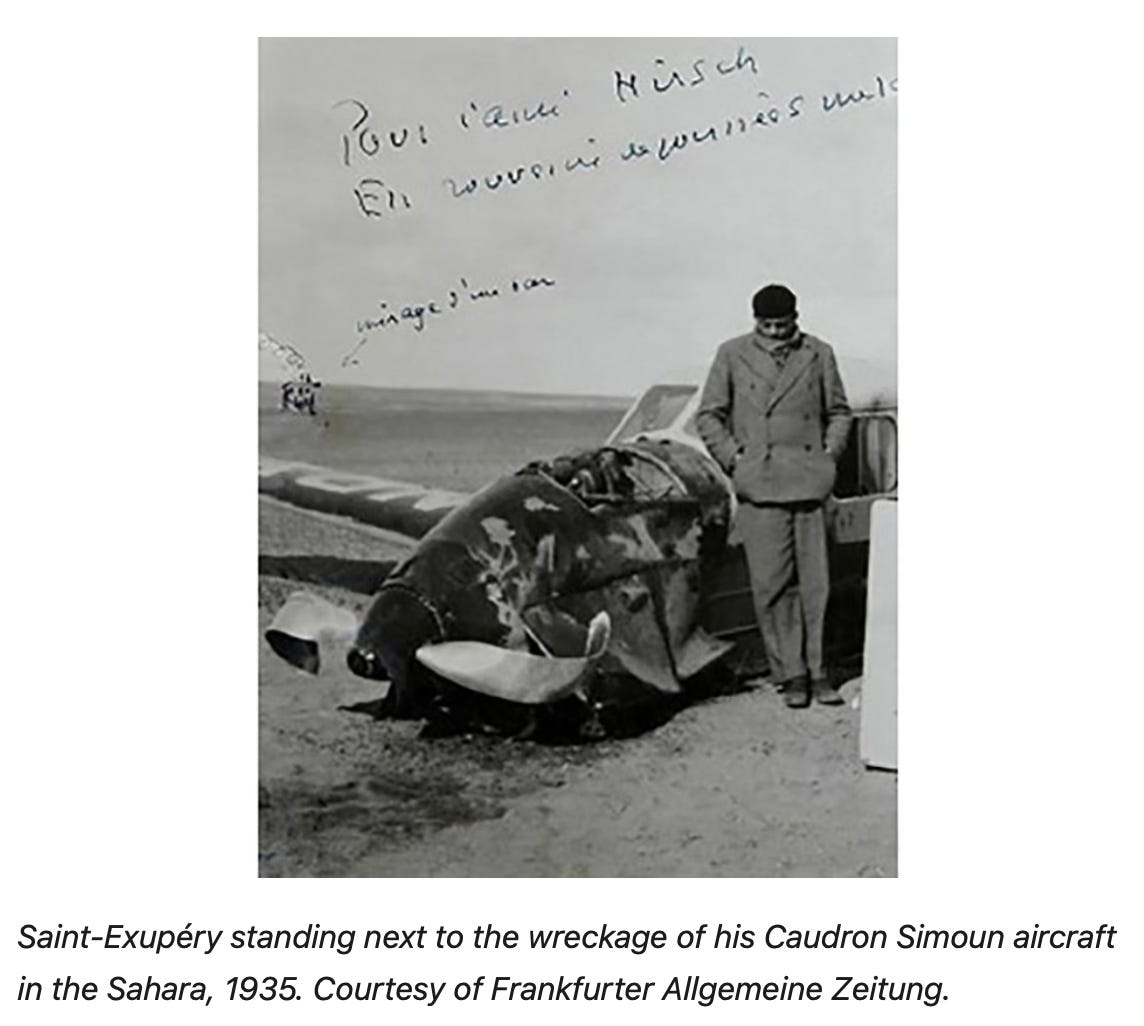
In 1929, Saint-Exupéry moved to Argentina where he became director of an airmail line. He also began writing & publishing his first two novels, Southern Mail and Night Flight, based on his own adventures. His greatest adventure though came in 1935, when he attempted a flight from Paris to Saigon over French-ruled Indochina in a bid to beat the airspeed record for that distance. His aircraft, a Caudron Simoun touring monoplane, crashed in the Sahara after 20 hours of flight. Saint-Exupéry and his navigator had nothing but a little wine, a thermos of coffee, a couple of oranges, grapes, and a bit of chocolate with a few crackers. After four days they were nearly dead, until a desert tribesman rescued them. The experience would become the central event in Saint-Exupéry’s 1939 memoir Wind, Sand, and Stars.
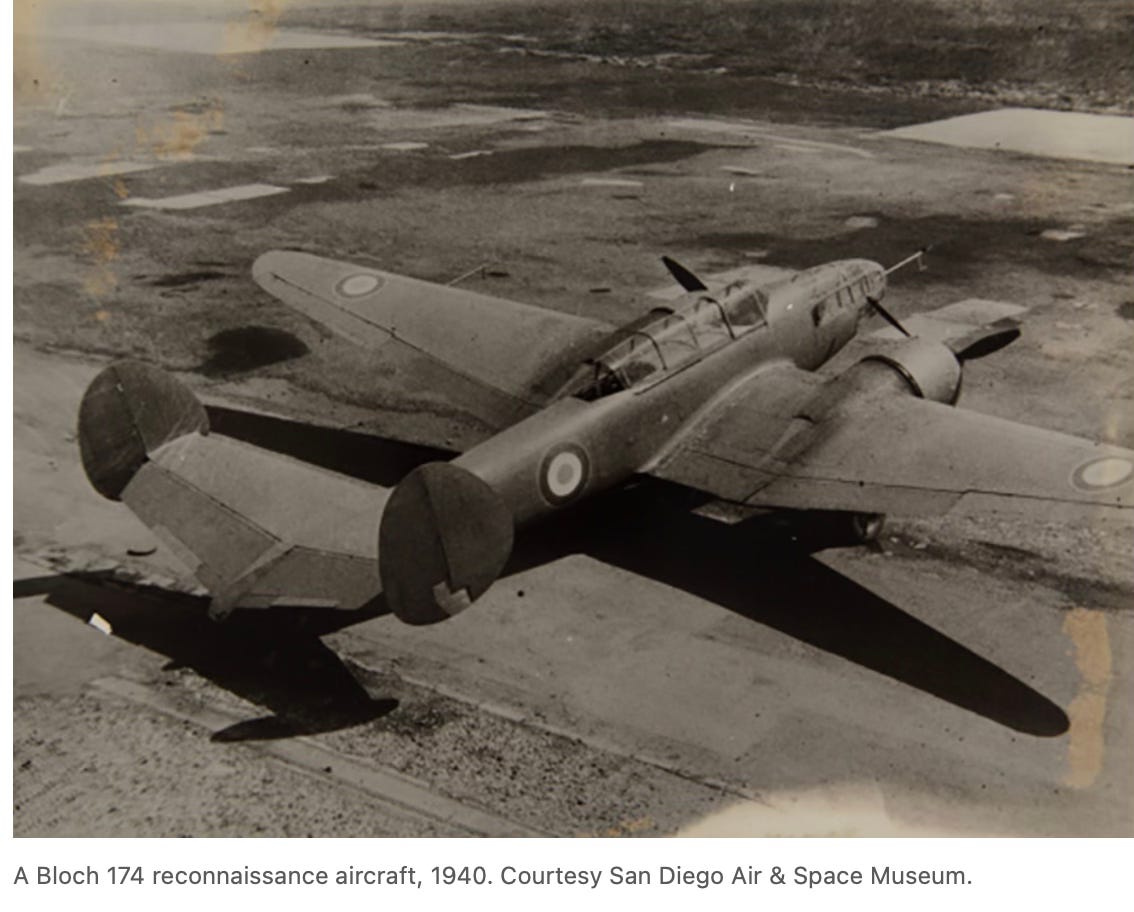
When World War II began in 1939, Saint-Exupéry was in the process of recovering from severe injuries he had received in yet another aircraft crash in Guatemala during the previous year. He nevertheless applied for and was accepted as a reconnaissance flier in the French Air Force, using a two-engine Bloch 174 aircraft. After the collapse of the legitimate French government, he fled to the United States, spending the next couple of years there and in Canada advocating for the liberation of his country from German occupation and also denouncing the Vichy French rump state that collaborated with the Nazis. It was during his time in the United States that Saint-Exupéry wrote & illustrated The Little Prince, which was published in the U.S. in 1943.
Meanwhile, Saint-Exupéry was desperate not just to return to the air, but to rejoin the fight for his homeland. Yet he was 43 years old, with a bevy of injuries that left him unable to turn his head to the left or even to dress without assistance. Saint-Exupéry was a figure of international renown, however, whose participation in Free French military efforts would have tremendous publicity value; and so it was inevitable that his repeated applications to return to service would be granted. He therefore returned to service in North Africa as a reconnaissance pilot in April 1943, flying an F-5B variant of the P-38 Lightning. A crash on his second flight boded ill for Saint-Exupéry’s future, but he was nevertheless ushered back into service after recuperating.
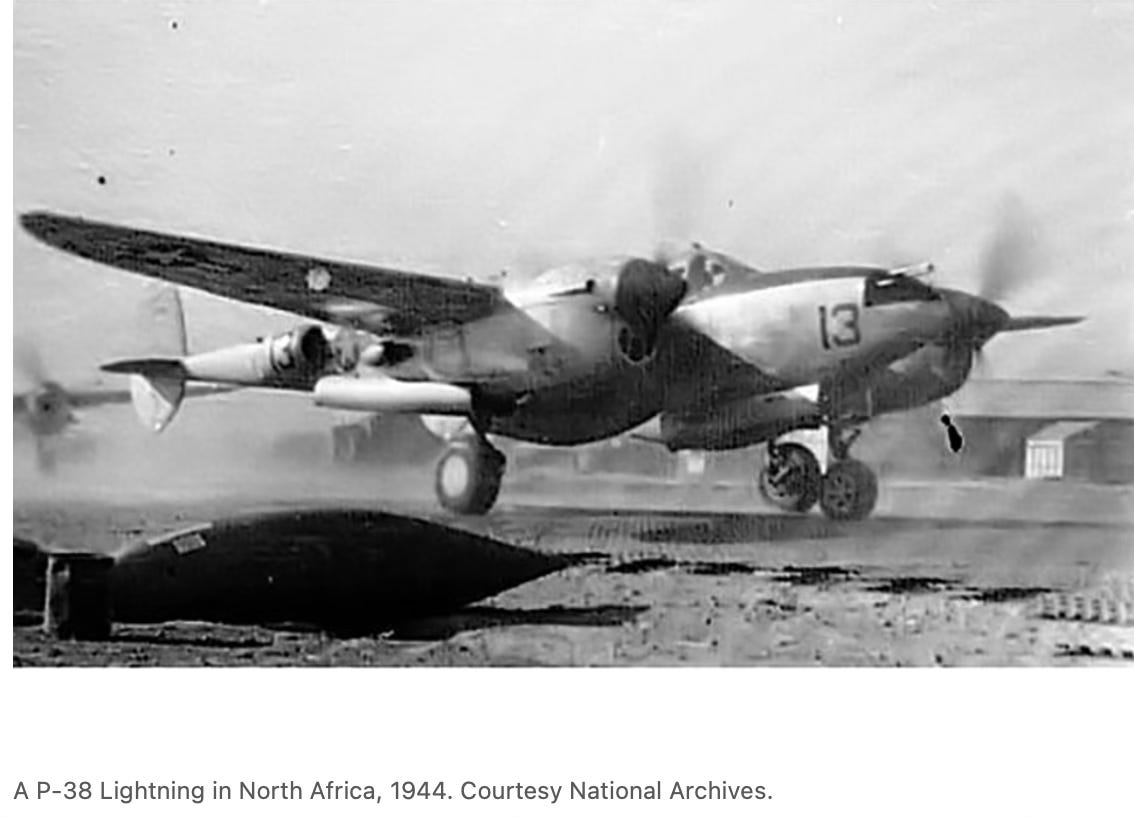
On July 31, 1944, in preparation for the impending Operation Dragoon, the Allied invasion of southern France, Saint-Exupéry took off from an airfield on the island of Corsica to take reconnaissance photographs in the area of Grenoble, France. He never returned. Eight days later Saint-Exupéry was officially declared missing in action, presumed shot down by the enemy. Exactly what happened remains a mystery.
In 1998, a French fisherman found Saint-Exupéry’s identity bracelet in the ocean off Marseille, and two years later divers found the remains of his aircraft in the same area. This led to the rediscovery of reports from August 1944, of the discovery of a body that could not be identified but was in a French Air Force uniform washing ashore nearby at that time. While speculation led some to believe it could have been him, this location was far off Saint-Exupéry’s flight path. Although there were reports, never confirmed, that a German pilot had shot down an aircraft like a P-38 in the area on July 31, 1944, underwater archaeologists were unable to find any evidence of damage from enemy action in the remains of the aircraft.
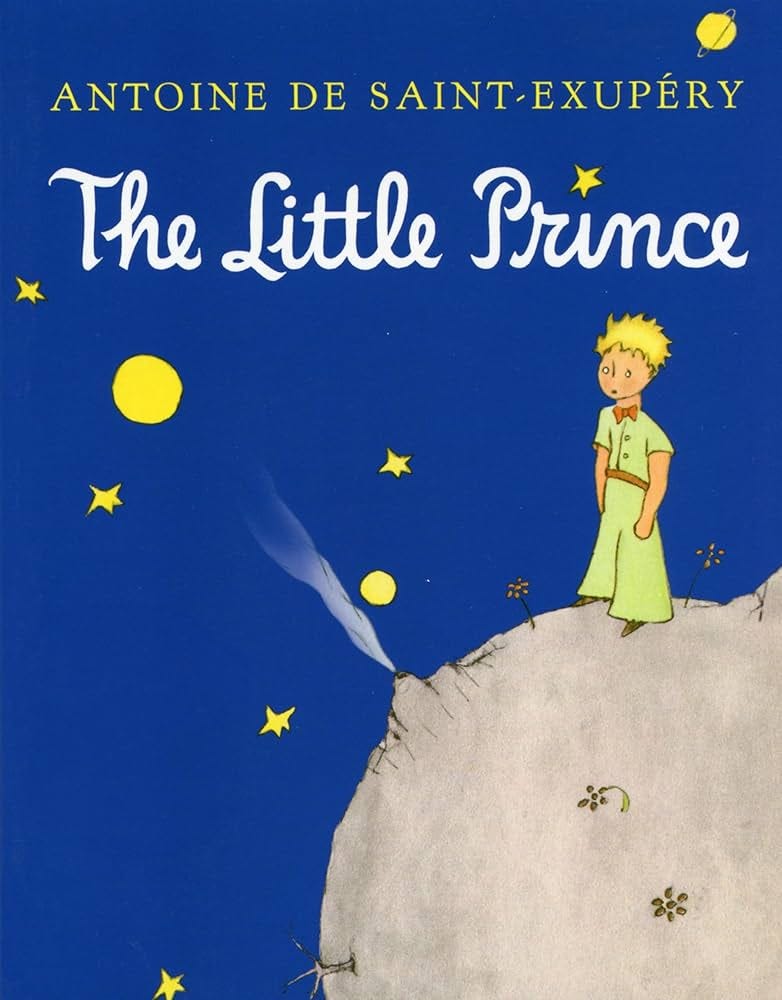
While Mr. Saint-Exupéry may have disappeared, much like the Little Prince in his story, the story itself only grew over the years. The story, about a young alien prince, who appears like a child to human eyes, & visits various planets, including Earth, deals with themes of love and loss, loneliness, friendship, and wonder. The story became Saint-Exupéry’s most successful work, selling an estimated 140 million copies worldwide, which makes it one of the best-selling books in history. It also became the second most translated work ever published, trailing only the Christian Bible.
The wide appeal of Saint-Exupéry’s novella has led to it being adapted into numerous forms over the decades. From audio versions on vinyl record, cassette, CD, and digital download, to live radio plays in the U.S. & UK, to many films, including an animated 2015 version, staring the voices of Jeff Bridges & Rachel McAdams. And of course, there was the seminal and celebrated live-action movie version in 1974, staring Richard Kiley & Steven Warner, with appearances by Gene Wilder as The Fox, and legendary choreographer Bob Fosse as The Snake, a character that Signer Michael Jackson later said inspired many of his dance moves.
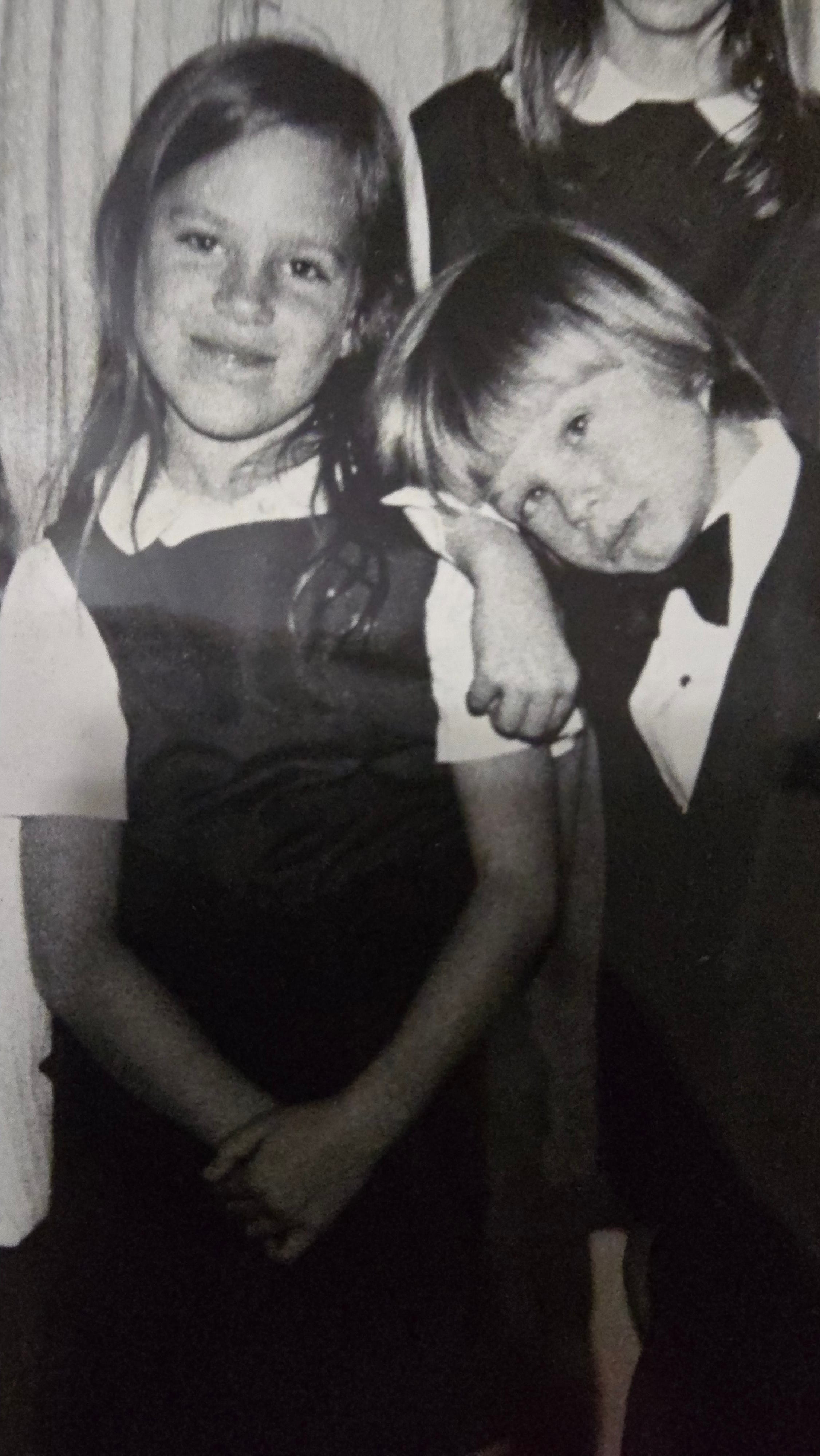
Jody’s mom even had the star of the Little Prince, Steven Warner, on her show on December 7, 1974, during Season 8, Episode 11.. Jody may have told her mom she thought he was cute, and then Jody’s mom told him! This photo is proof that he knew!
In 2010, a three-season-long animated series was also made that expanded upon the book, and in 2023, another animated spin-off series The Little Prince & Friends was released. There was even once a pop-up version of the book made, using the original text and Saint-Exupéry’s original drawings as the basis for its elaborate 3D pop-up illustrations.

Antoine de Saint-Exupéry’s dedicated service flying for his country during World War II offered a fitting capstone to his literary work, which continues to lift up & delight the minds of young and old to this day.
In honor of his story of The Little Prince, and his love of flying, we give you today’s Drink Of The Day, an Elder Aviator cocktail!
Ingredients
Here’s what you’re going to need for this drink:
