
Today’s DOTD - Drink Of The Day - is a Vesper Dry Martini inspired by Bond, James Bond. The first James Bond novel, Casino Royale, was first published on April 13, 1953 - and what a story it’s been ever since.
The origin of James Bond: The history behind 007
While the films enjoy widespread popularity, many are unaware of the literary origin of James Bond.
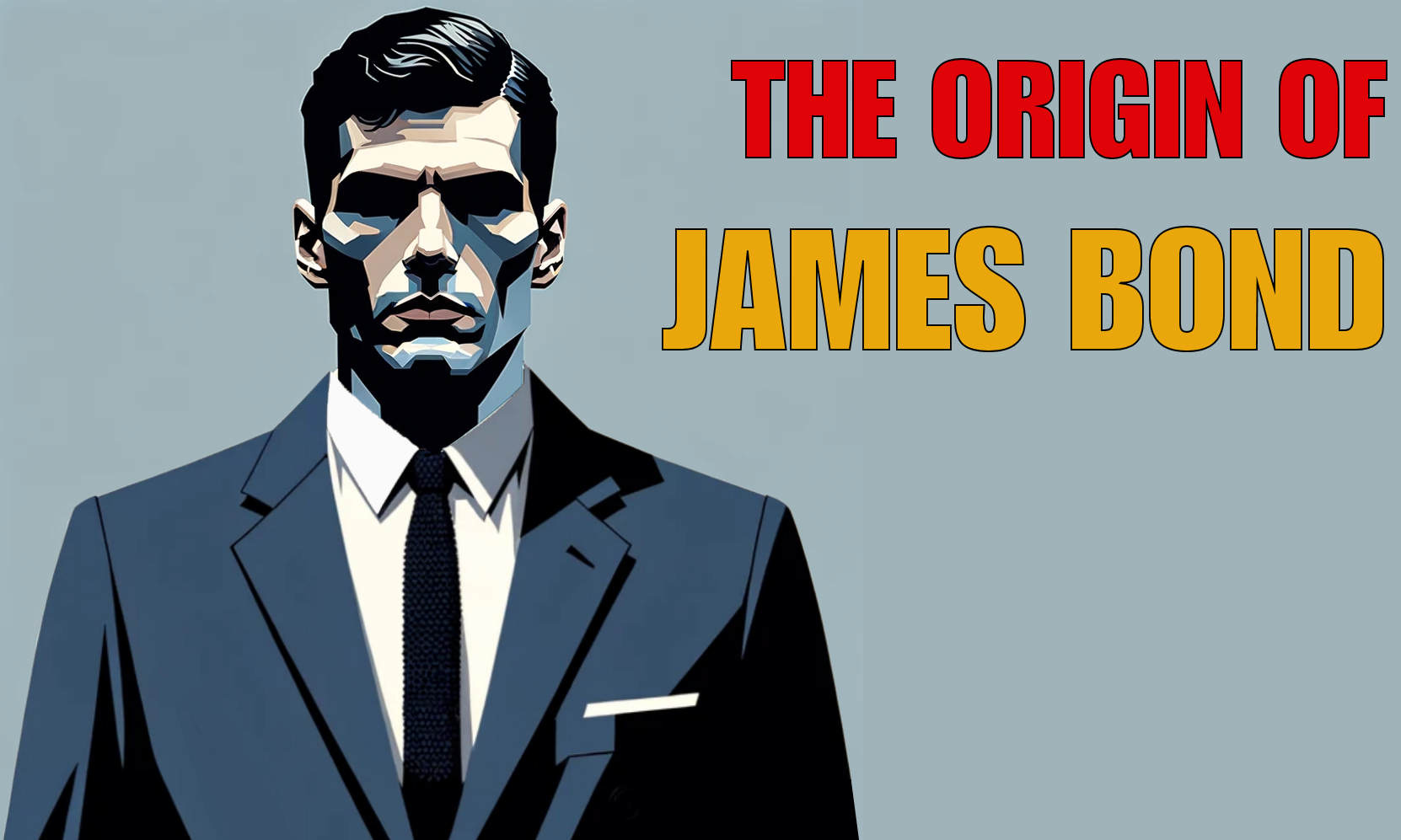
In the pantheon of literary and cinematic heroes, few figures are as iconic or enduring as James Bond. Agent 007, with his suave demeanor, penchant for luxury, and unflappable courage in the face of danger, has captivated the imagination of audiences around the globe for decades. But where did this quintessential spy originate?
The story of the origin of James Bond is not just a tale of one man’s creativity; it’s a fascinating journey that spans real-world espionage, personal experiences, and the lush landscapes of Jamaica where Ian Fleming, the writer & creator of James Bond, found his muse.
Ian Fleming and the birth of Bond
Ian Fleming, born on May 28, 1908, was not just the man behind James Bond; he was a figure as complex and intriguing as his fictional counterpart. Before Bond’s creation, Fleming found himself immersed in the world of intelligence and espionage during World War II, serving as the right hand man to the British Director of Naval Intelligence. This experience provided him not only with a wealth of insider knowledge but also with the inspiration for the spy narratives that would later define his career.
Fleming’s drive was influenced by his wartime service and a desire to step out of the shadow cast by his brother, Peter Fleming, a successful author in his own right. The backdrop of the Second World War, rich with espionage and intrigue, provided Fleming with a wealth of material to draw from, fueling his ambition to create a character that would encapsulate the essence of the spy genre.
The genesis of James Bond occurred at Fleming’s Jamaican estate, Goldeneye, where he retreated each winter. In the winter of 1952, amidst this idyllic backdrop, Fleming sat at his desk overlooking the azure waters of the Caribbean Sea and began to forge the character of James Bond in the novel Casino Royale. Fleming’s intention was to write the “spy story to end all spy stories”, his hero a man who could navigate the dangerous waters of international espionage of the Cold War. That winter Fleming was approaching a major milestone in his life. He was to marry Ann Chateris, his long-term lover, before returning to London. Writing helped take his mind off the wedding and the end of his bachelor days.

Fleming’s approach to writing was methodical and disciplined. Each morning, he would sit at his typewriter in the airy confines of his Goldeneye estate and write two thousand words, steadily bringing to life the adventures of James Bond. This routine was sacred to Fleming and allowed him to produce a new Bond novel every year throughout the 1950s until his death in 1964.
Through the creation of James Bond, Fleming tapped into a universal desire for escapism and adventure, inadvertently establishing a legacy that would far exceed his own expectations. The blend of his vivid imagination, personal aspirations, and the rich tapestry of his experiences created a character that would captivate audiences for generations to come, transforming Fleming from a man in his brother’s shadow into the creator of the world’s most famous spy.
The character of James Bond, with his unwavering resolve was a reflection of Fleming’s own fantasies and his insights into the shadowy world of espionage. Yet, it was the serene and inspiring environment of Goldeneye that provided the catalyst for Bond’s creation. Fleming’s Jamaica was a haven, a place where creativity could flourish away from the complexities of the modern world. It was here, in this paradise, that the world was first introduced to the spy who would become a legend.
Real-life inspirations behind Bond
Ian Fleming’s World War II service was instrumental in shaping the James Bond character, contributing to the complex tapestry that forms the origin of James Bond. It exposed him to the intricacies of intelligence work, including covert operations, the art of deception, and the personalities of those who inhabited the shadowy world of espionage. His involvement in crafting real-life audacious plans, like Operation Goldeneye during World War II, along with overseeing the commando group 30 Assault Unit (30 AU), brought him into contact with the type of daring individuals who would inspire aspects of James Bond’s persona.

Among the real-life figures that influenced Fleming, Sidney Reilly, known as the “Ace of Spies,” operated in the early 20th century, undertaking missions in Russia, Germany, and Britain. His adventurous spirit and complex operations, marked by attempts to overthrow the Bolshevik regime, embodied the blend of charisma and ruthlessness later seen in Bond. Similarly, Dusko Popov, a Yugoslav double agent during World War II, known for his critical role in the Double Cross System and feeding misinformation to the Germans while providing invaluable intelligence to the British, showcased the cunning and bravery Fleming admired. Popov’s involvement in deceiving the Germans about Allied invasion plans, including the D-Day landings, illustrated the high-stakes espionage that would be a hallmark of the Bond series.
These men, along with the hardened commandos of 30 AU, each contributed traits Fleming synthesized into the iconic spy. It is crucial to recognize that James Bond was not modeled after any single individual but was a composite of the qualities Fleming encountered in spies and commandos, infused with the persona Fleming aspired to embody. This mixture of real-world inspiration and personal aspiration created a character that was both a product of Fleming’s imagination and a reflection of the extraordinary courage and resourcefulness of real-life figures like Reilly and Popov.
Moreover, Fleming’s personal experiences and his knack for observation honed as a journalist played a significant role in shaping the Bond universe. The luxurious settings, exotic locations, and the high-stakes world of casino gambling were drawn from Fleming’s own life, lending a touch of reality to the novels. Fleming’s attention to detail, from the specific cocktails Bond would drink to the cars he would drive, added layers of depth to the character and the world he inhabited.
The influence of real-world events and the Cold War context cannot be overstated in understanding the appeal of James Bond. In the post-war era, as tensions between the West and the Soviet Union escalated, the Bond novels tapped into the collective anxieties and fantasies of the time. Bond, as a character, embodied the West’s ideals of freedom and resilience against the backdrop of geopolitical intrigue, making him a timely hero for a world divided by ideological conflicts.
The origin of James Bond’s name
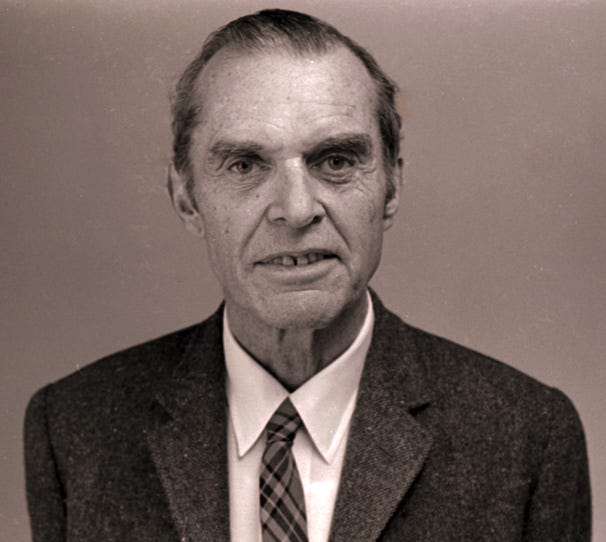
James Bond received his name from a rather unassuming source. Ian Fleming, the creator of James Bond, was an avid birdwatcher and had a copy of a book titled Birds of the West Indies by an American ornithologist named James Bond. Fleming was seeking a straightforward, unpretentious name for his fictional secret agent and found the name “James Bond” to be perfect due to its plainness and Anglo-Saxon solidity. In Fleming’s own words, he wanted a name that was “as anonymous as possible,” and the ornithologist’s name fit the bill precisely.
The literary evolution of James Bond
From the publication of Casino Royale in 1953 to Fleming’s last novel, The Man with the Golden Gun in 1965, the James Bond series evolved significantly. Over the course of these novels, readers were taken on a journey through the Cold War era, witnessing Bond’s battles against a variety of foes, from the shadowy SMERSH to the sinister SPECTRE.
Fleming’s Bond was both a product of his time and a timeless figure. As the series progressed, the novels delved deeper into Bond’s psyche, revealing the complexities and vulnerabilities of the character. This evolution reflected Fleming’s own changing views on the world and the nature of espionage. The series also adapted to the changing geopolitical landscape, with the stories reflecting the shifting alliances and tensions of the Cold War.

The literary Bond was a more nuanced character than his cinematic counterpart. While the films often emphasized Bond’s glamorous lifestyle and action-hero persona, the novels explored themes of loyalty, betrayal, and the moral ambiguities of espionage. Fleming’s writing style, characterized by its vivid descriptions, sharp dialogue, and meticulous attention to detail, brought the world of James Bond to life in a way that captivated readers and left a lasting impact on the spy genre.
The James Bond novels not only established a template for spy fiction but also reflected the anxieties and aspirations of the post-war era. Through the character of James Bond, Fleming explored the complexities of the Cold War world, the nature of heroism, and the eternal struggle between good and evil. The enduring popularity of the novels attests to Fleming’s skill as a storyteller and the universal appeal of his most famous creation.
James Bond’s transition to the silver screen
The leap from the pages of Ian Fleming’s novels to the silver screen marked a new chapter in the legacy of James Bond. In 1962, Dr No introduced cinema audiences worldwide to the suave British spy, portrayed by Sean Connery. This adaptation marked the beginning of one of the most successful film franchises in history, bringing James Bond to an even wider audience and cementing his status as a cultural icon.
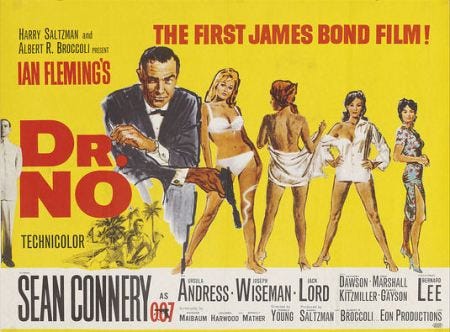
The films introduced a lighter, more humorous tone, with Connery’s portrayal blending charm and wit with the character’s lethal proficiency. As the Bond films evolved, they mirrored the changing dynamics of the world stage, just as Fleming’s novels had done. The Cold War backdrop gave way to more fantastical threats, reflecting contemporary global anxieties and the cinematic trend towards larger-than-life villains and plots. Each actor who took on the role brought a new dimension to the character, from Roger Moore’s debonair style to Daniel Craig’s gritty realism, showcasing the adaptability of Bond to different eras and audiences.
The impact of the Bond films on popular culture cannot be overstated. Iconic elements such as the opening sequence, the theme songs, and the catchphrase “Bond, James Bond,” have become ingrained in the collective consciousness. The franchise’s success also spurred a proliferation of spy films and series, cementing the espionage genre as a staple of cinema and television.
The legacy of James Bond
The enduring legacy of James Bond, both as a literary figure and a cinematic hero, lies in the character’s ability to adapt and remain relevant across decades. Bond’s appeal transcends generations, reflecting changing societal norms and the shifting landscape of global politics and technology. The character has become a symbol of resilience, sophistication, and the enduring fight against injustice, embodying the ideal of the gentleman spy in the public imagination.
Beyond entertainment, the James Bond franchise has influenced fashion, lifestyle, and technology, with Bond’s gadgets and style becoming benchmarks of cool. The series has also been a platform for showcasing emerging technologies, from the latest cars to innovative spy gear, often predicting trends and innovations.
The James Bond character and franchise have left an indelible mark on the spy genre and popular culture, inspiring countless adaptations, parodies, and homages. The series’ formula—a charismatic hero, formidable adversaries, and high-stakes missions—has become a template for storytelling within and beyond the espionage genre.
As we look to the future, the question of James Bond’s relevance remains. In an ever-changing world, the themes of loyalty, courage, and the fight against tyranny continue to resonate. The legacy of James Bond, rooted in Ian Fleming’s creation and enriched by decades of storytelling, is a testament to the character’s universal appeal and the human desire for stories that speak to our deepest fears and highest aspirations.
The complete story of James Bond, from the sunlit shores of Jamaica where Ian Fleming conceived the character, to the global phenomenon it has become, is a story of creativity, adaptation, and enduring appeal. Fleming’s blend of real-life espionage experience, imagination, and the idyllic setting of Goldeneye provided the perfect ingredients for creating a character that would captivate the world.

The character is much more than a spy; he is a cultural icon, representing a blend of adventure, sophistication, and resilience. The journey of James Bond, from the pages of Fleming’s novels to the silver screen and beyond, continues to inspire and entertain, proving that the world’s fascination with the ultimate secret agent is far from over.
So to salute the character of James Bond, we give you today’s Drink Of The Day, a Vesper Dry Martini. The Vesper Dry is a type of martini - and don’t let anyone tell you one type is superior over another.
And today, we’ve got more than just the recipe beyond the paywall…
