
Today’s DOTD - Drink Of The Day - is a Radler Paloma Cocktail inspired by the evening before National Beer Day, also known as New Beers Eve! We know - that sounds like one of those fake radio holidays. But we can assure you, it’s a real thing and a good thing. First, some historical background, which was real, but wasn’t good.
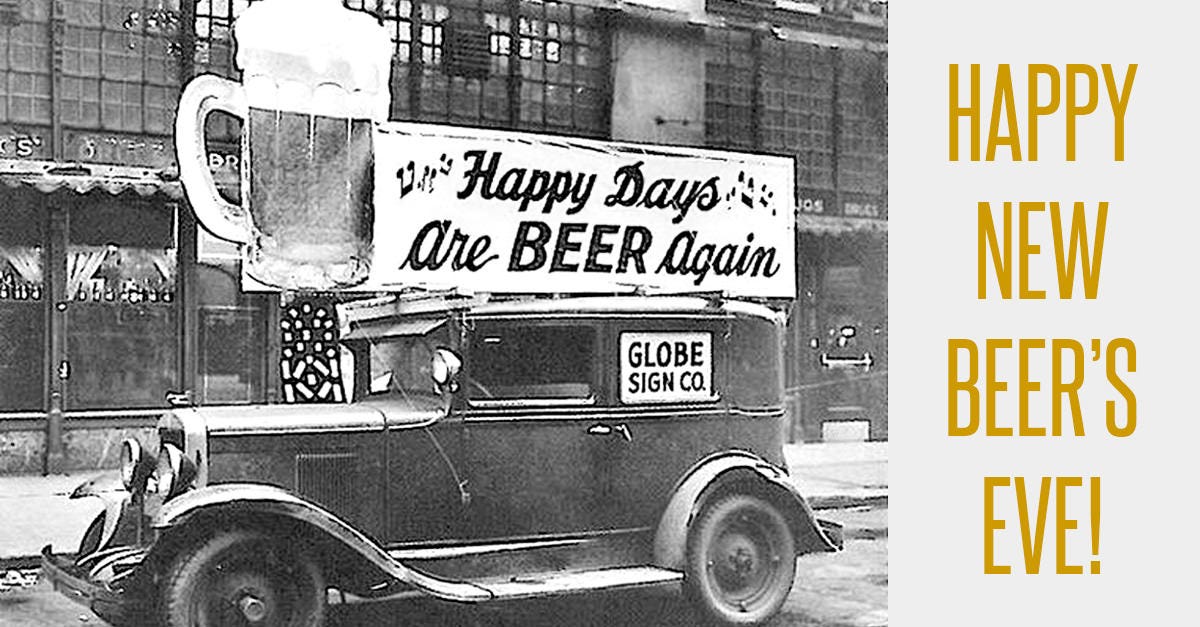
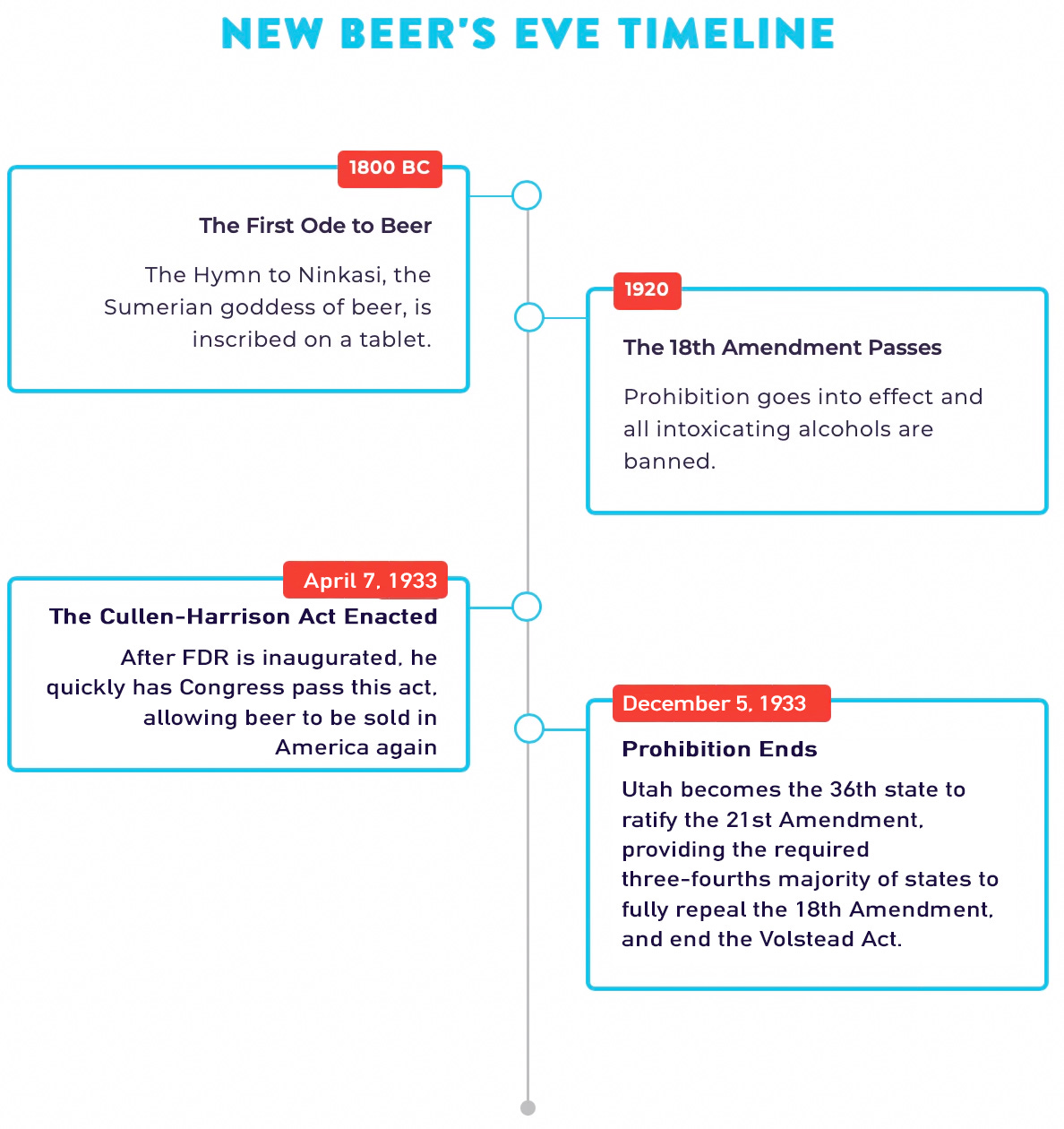
The 18th Amendment to the U.S. Constitution was ratified on January 16, 1919, and one year later on January 17, 1920, it took effect. Many Americans initially thought the 18th Amendment would allow beer & wine, while banning hard liquor - and it could have been that way. However, the extremist conservatives of the day, Temperance Activists, wrote the law that Congress passed to enforce the 18th Amendment, known as the Volstead Act. Because of the extremists, the Volstead Act defined “intoxicating liquors” extremely broadly, which also meant they banned beer and wine. The act also established fines and jail sentences for violations, and gave federal Prohibition agents power to search, seize, and destroy illegal alcohol of any kind. This unfortunate series of events began the dark, dry period of American history we now know as Prohibition.
The brutality and brashness used in applying the Volstead Act to enforce Prohibition disturbed millions of Americans, and eventually, would be its undoing. That undoing began with campaigns to repeal the 18th Amendment that started shortly after Prohibition began.
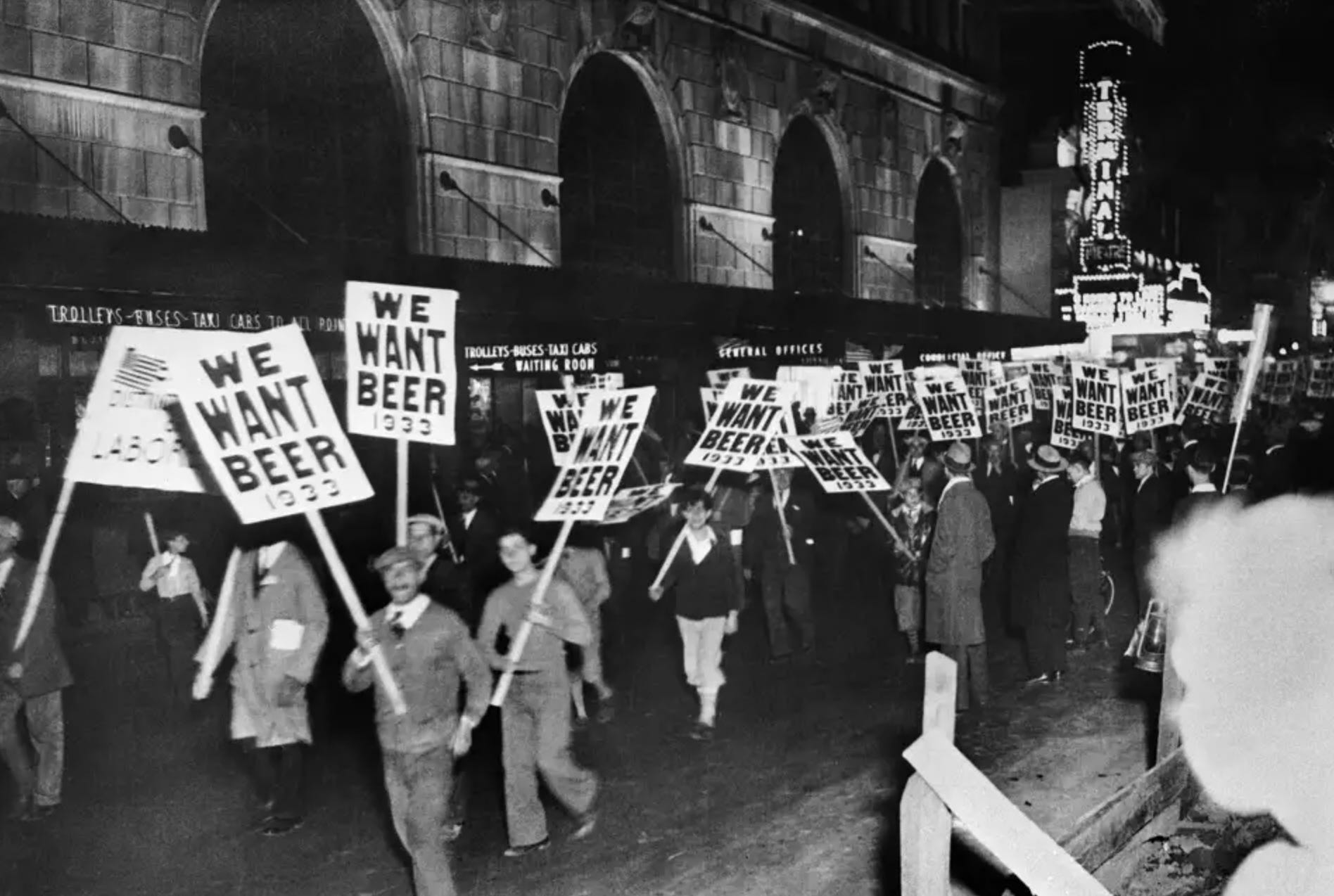
Throughout the 1920s, polls were taken, and the longer Prohibition went on, the more Americans hated it. They hated it because the benefits the Temperance Activists had promised that policy would bring – to reduce crime, violence, poverty, and domestic abuse, while increasing productivity, improving health, and creating prosperity – never came to be. In fact, Prohibition, as practiced under the Volstead Act, only made everything worse.
If this sounds nearly identical to the anti-immigration promises sold to MAGA by Donald Trump & the extreme right-wing? That’s because it is. Per usual, the extremist right doesn’t have many new ideas, other than conning the poorly informed, and finding new ways to be cruel to others.
In 1932, Franklin Delano Roosevelt campaigned for president, in part, on a promise to repeal the 18th Amendment - which would take time - and to also modify the Volstead Act as soon as he could after being sworn in, to allow low alcohol beer & wine to once again be sold & enjoying in the U.S. That promise helped FDR win the 1932 election in a landslide over Republican incumbent president Herbert Hoover, with nearly 60% of the vote, and voters also gave FDR record Democratic majorities in the House & Senate, so he could rapidly follow through on his promises.
FDR was inaugurated as President of the United States for the first time on March 4, 1933, and on March 13th, he officially called on Congress to modify the Volstead Act. The next day, Rep. Thomas H. Cullen introduced the proposed law in the House. Sen. Pat Harrison did the same in the Senate, and both passed the new Cullen-Harrison Act rapidly. On March 22, 1933, President Franklin D. Roosevelt signed the Cullen-Harrison Act, legalizing 3.2% beer & wine, and famously stating, "I think this would be a good time for a beer." He was almost right - the Cullen-Harrison Act wouldn’t take effect until April 7, 1933.
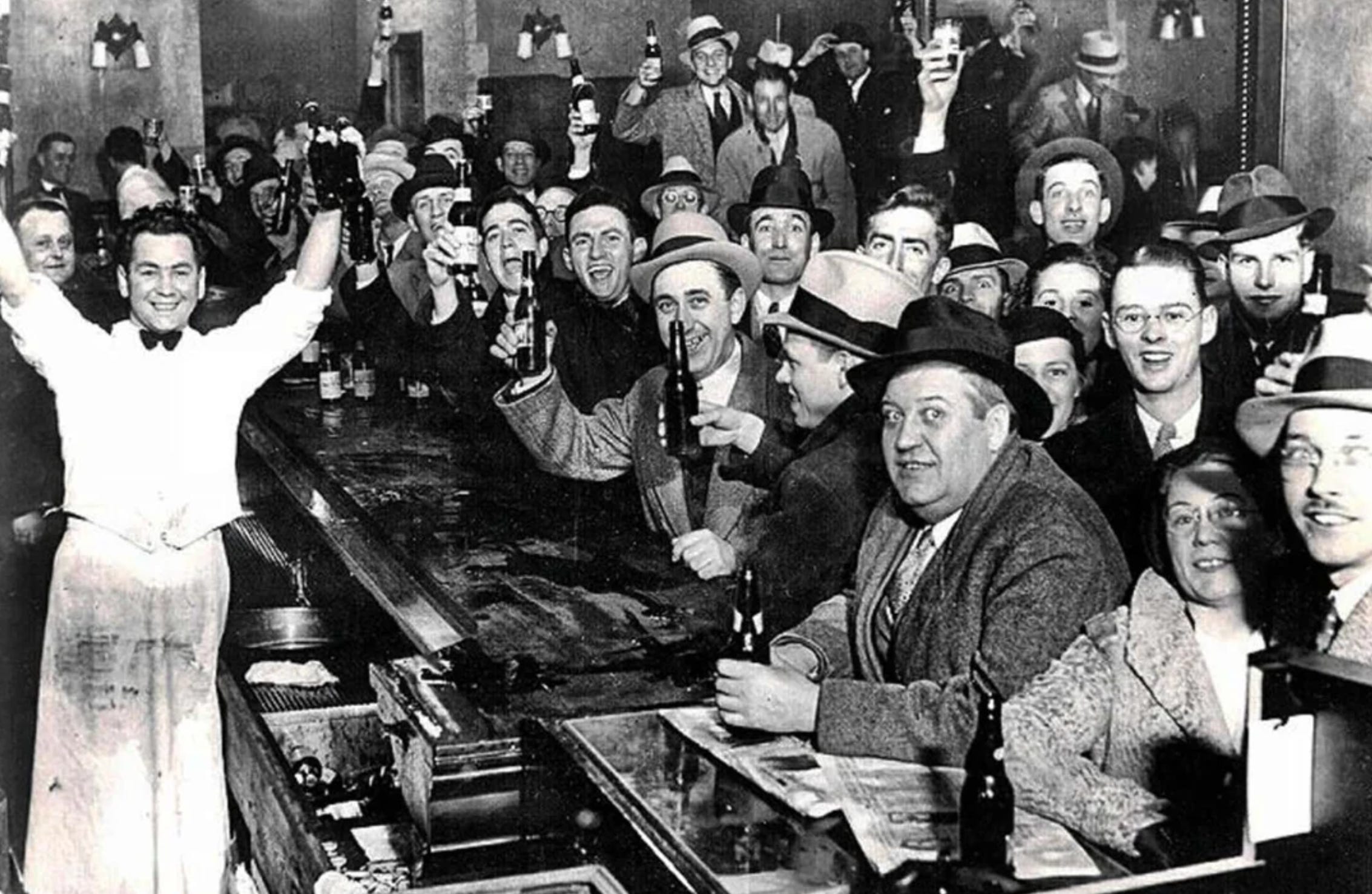
Which brings us to New Beer’s Eve, celebrated annually on April 6, commemorating the night before the Cullen-Harrison Act took effect in 1933, which ended 13 years of Prohibition.
That evening, newspapers & radio stations reported people were waiting in lines at bars all across the country, so at midnight they could purchase the newly legalized brews. At 12:01 a.m. on April 7,1933, legal beer (up to 3.2 % alcohol) once again flowed in the U.S., prompting crowds to drink until the bars shut down in many locations across the nation. FDR continued with the push to repeal the 21st Amendment, which happened 9 months later, on December 5, 1933, when the voters of Utah ratified it, fully repealing Prohibition.
Bonus History: Who Invented Beer?
When and where did beer first originate? It’s difficult to attribute the invention of beer to a particular culture or time period, but the world’s first fermented beverages likely emerged alongside the development of grain agriculture some 12,000 years ago.
As hunter-gatherer tribes settled into agrarian civilizations based around staple crops like wheat, rice, barley and maize, they may have also stumbled upon the fermentation process and started brewing beer. Some anthropologists have argued that these early peoples’ thirst for a brewed beverage may have contributed to the Neolithic Revolution by inspiring new agricultural technologies.
These nutrient-rich suds were a cornerstone of the Sumerian diet around 10,000 BCE, and were likely a safer alternative to drinking water from nearby rivers and canals, which were often contaminated by animal waste.
Beer consumption also flourished under the Babylonian Empire, where its ancient set of laws, the Code of Hammurabi decreed a daily beer ration to citizens. The drink was distributed according to social standing: Laborers received two liters a day, while priests and administrators got five. At the time, the drink was always unfiltered, and cloudy, bitter sediment would gather at the bottom of the drinking vessels. Special drinking straws were invented to avoid the muck.
The ancient Egyptians also loved their beer. Workers along the Nile were often paid with an allotment of a nutritious, sweet brew, and everyone from pharaohs to peasants and even children drank beer as part of their everyday diet. Many of these ancient beers were flavored with unusual additives such as mandrake, dates, and olive oil.
More modern-tasting libations would not arrive until the Middle Ages when Christian monks and other artisans began brewing beers seasoned with hops.
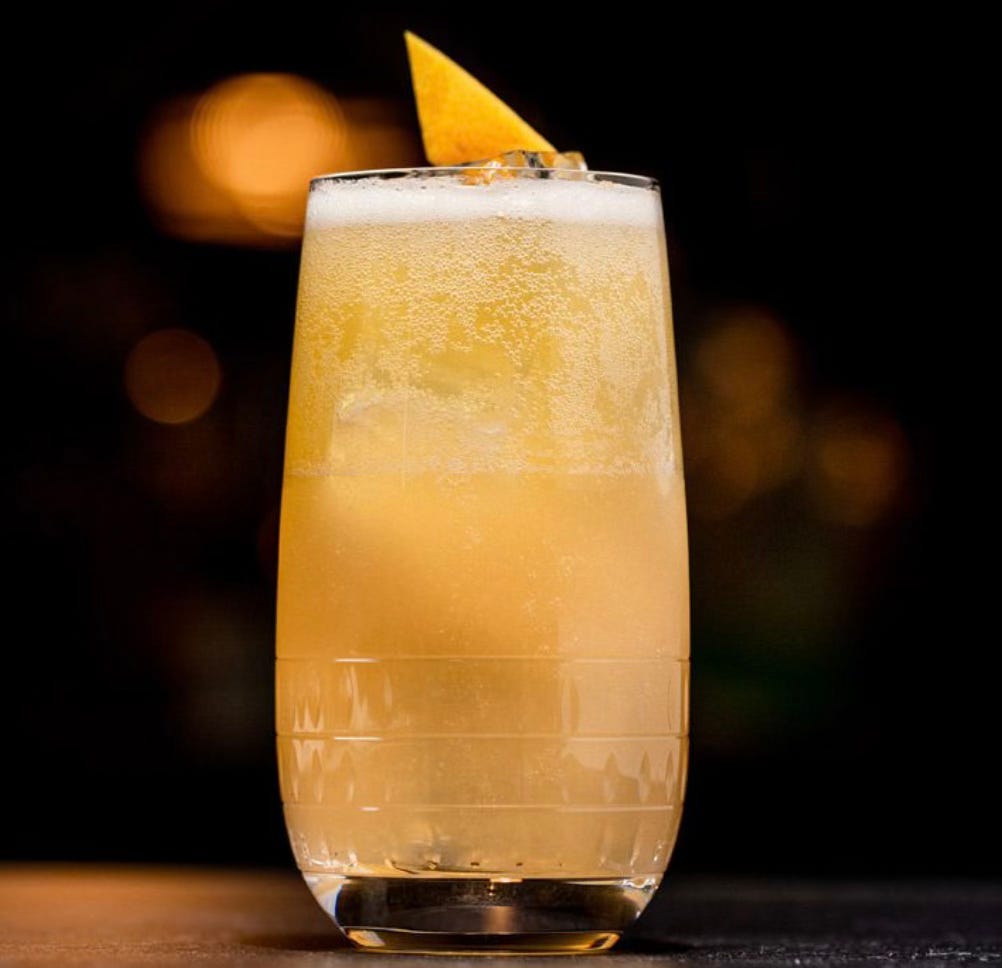
Today, people all over the world make and brew beer in a dizzying array of flavors and types. And thanks to FDR, and all those who protested, lobbied, and pushed their elected officials, we can drink almost any of those beers and beer-infused cocktails here in the United States – including today’s Drink Of The Day, a Radler Paloma Cocktail.
Ingredients
Here’s what you’re going to need for this drink:
