
DOTD For Monday, March 23, 2026
The Perfect Drink For A Ten-Thousand Year Old Snack
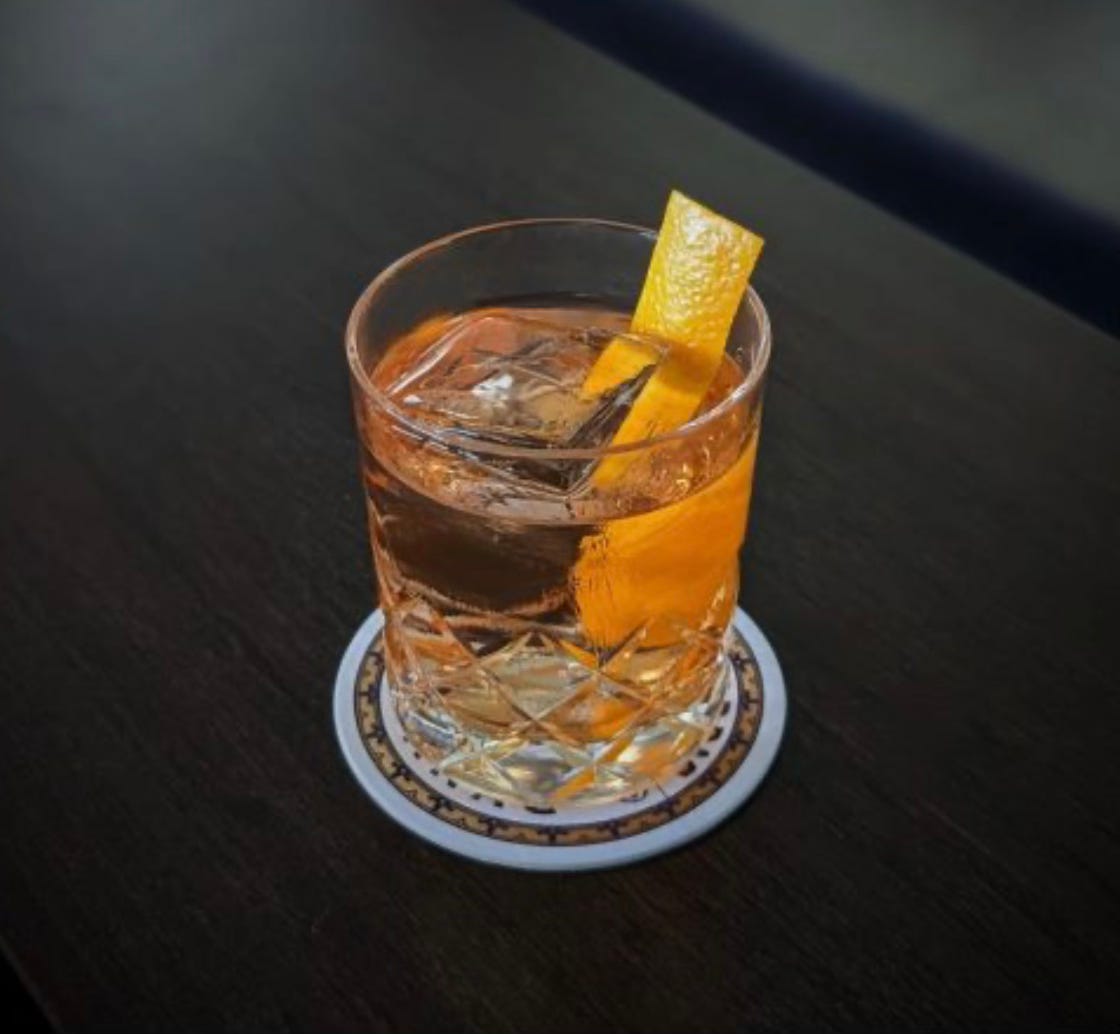
Today’s DOTD - Drink Of The Day - is a Oaxaca Old Fashioned cocktail, inspired by National Tamale Day!
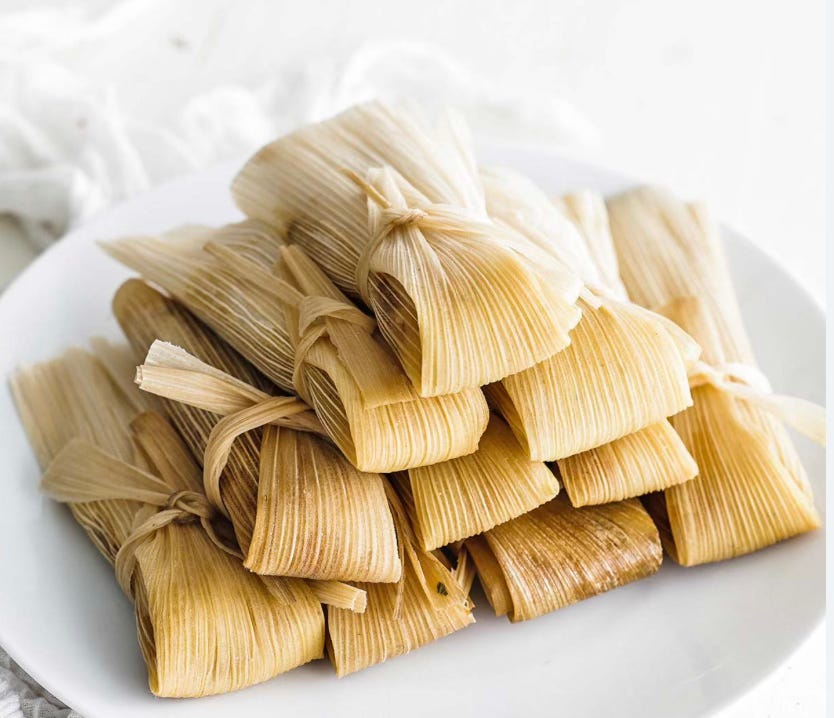
Every year National Tamale Day is celebrated on March 23 in the U.S. It’s a day where all kinds of tamales are appreciated — from the meat-filled ones to the cheesy ones, & from the sweet ones to the neat ones. Tamales are a traditional Latin American dish that is made using corn dough, called masa, and a variety of fillings. The corn dough forms the outer pocket and the fillings make up the soft bit inside the pocket. Each tamale is wrapped in a corn husk or a banana leaf and is usually steamed or boiled before eating. One bite into it, and you can taste the pillowy taste of corn mingling with the delicious fillings.
HISTORY OF NATIONAL TAMALE DAY
eTamales are an ancient Mesoamerican dish that came into common use as early as 8,000 BCE in Central and South America. The first evidence of the tamal is actually over 10,000 years old! Tamales predate modern corn and likely originated with Olmec or Toltec civilizations, before being adopted by the Maya and Aztecs. Originally created as a portable, nutrient-dense food for warriors and hunters, tamales became sacred, labor-intensive, ritual offerings, as well as staples of daily life.
The Aztec, Maya, Olmec, and Toltec peoples all considered corn a central part of their cultural identity, so naturally, corn tamales played a large part in their rituals, festivals, and daily lives.
At the time tamales came into common use, roughly 10,000 years ago in central America, corn - also known as maize - was just beginning to be domesticated from a then-wild grass called teosinte. Teosinte first became popular for its sweet-tasting stalks. Once it was pollinated by the natives however, they discovered the plant would grow bulbs or ears that grew alongside the stalks, and at harvest time, sweet and juicy kernels were discovered inside those ears.
These kernels were not the same as those on the modern corn we consume today. Early corn was very different, having much smaller, more sparse kernels. Teosinte was transformed into corn/maize slowly, by basic genetic engineering, known as selective crop breeding, that transformed the smaller kernels over thousands of years into the high-yield food source we think of as corn today.
For thousands of years, tamales remained mostly the same, and were almost exclusively found in the Americas, primarily central America, though their presence also grew to include the Caribbean Islands. While the colonization of the Americas by Europeans brought new influences and ingredients that transformed many native dishes, tamales overwhelmingly retained their identity, even while growing & evolving. With colonization, tamales began to grow their footprint, moving up through North America, and west across the ocean to the Philippines and Guam.
With the arrival of lard and other European ingredients, tamales further evolved into regional variations, which developed across all of the Americas and beyond. In Mexico alone, there are over 500 kinds of tamales today, each with a unique twist, depending on the area’s ingredients and traditions. From the classic pork-filled tamales of Veracruz, to the sweet and spicy varieties of Oaxaca; and from the ground rice, pork, and peanut tamales of the Philippines, to the Choctaw and Chickasaw versions, stuffed with fillings like fried bacon, turkey, venison, nuts, vegetables, and squash - tamales have become a vibrant tapestry of flavors and textures, adapting yet remaining tied to their ancient origins.
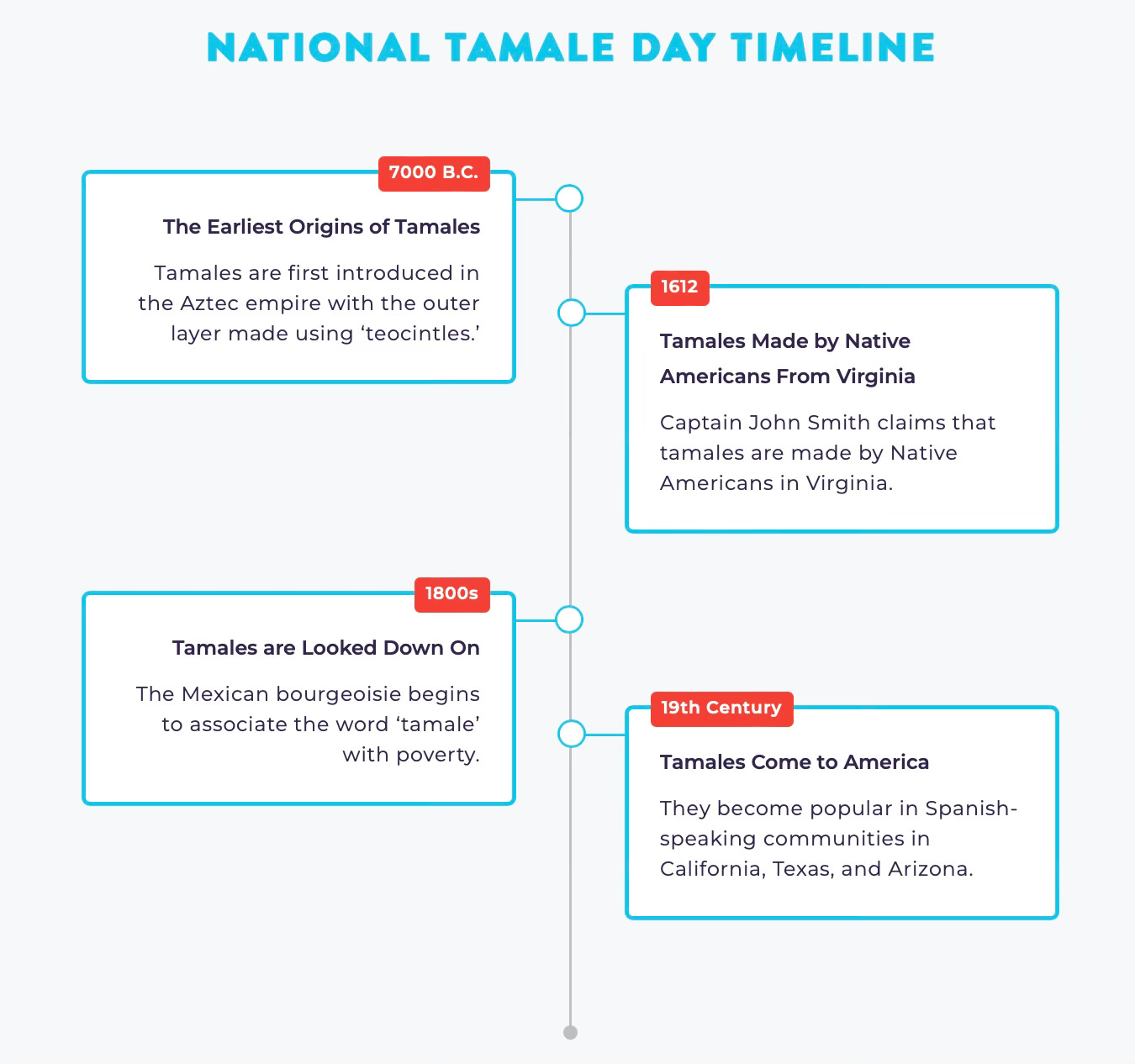
In 1612, Captain John Smith wrote about tamales that were made by Native Americans in Virginia. He wrote about the process he had seen of these peoples making tamales: “Their corne they rost in the eares greene, and bruising it in a mortar of wood with a Polt; wrapped it in rowles in the leaves of their corne, and so boyled it for a daintie.”
In the 1800s, the racist Mexican bourgeoisie began to associate the Nahuatl/Aztec word “tamalli” or “tamal” with poverty. So the tamale began to be looked down upon by the upper classes, claiming they were a reason for ill health in peasants. The Mexican revolution caused an overturn of judgment when the bourgeoisie class sentiments were wiped out and the tamale was reborn as the common person’s symbol of Mexican cuisine.
In the late 19th century, tamales began becoming very popular in the United States. By the 20th century, people living in big Spanish-speaking communities in places like California, Texas, and Arizona put up tamale stands everywhere. Tamales were also all over the streets of Los Angeles, and became a signature dish of Southern California.
NATIONAL TAMALE DAY ACTIVITIES
Make your own tamale
Tamales might take some time to make but the result of your effort will be great. Try finding an easy-to-make tamale recipe on the internet, like this one!
Visit a place that sells tamales
If you want to try authentic tamales, visit any of the local tamale stalls or restaurants owned & run by Latin American people in your local community. There’s usually a variety of fillings, so choose the one you like the best.
Make a drink to go with your tamales
Of course, if you’re going to have a tamale or two, you should have a drink to go with it. That’s where today’s Drink Of The Day comes in, a Oaxaca Old Fashioned!
Ingredients
Here’s what you’re going to need for this drink:
