
Today’s DOTD - Drink Of The Day - is a Paradise Passion Martini cocktail & mocktail, inspired by the original publication date of Paradise Lost by John Milton, which was first officially registered by publisher Samuel Simmons, in London, England, on this date, August 20, 1667, 359 years ago today.
Simmons registered the contract and licensing details at London’s Stationers’ Hall on this date, noting terms for printing up to 1,500 copies, and using the author’s initials (”J.M.”) rather than John Milton’s full name.
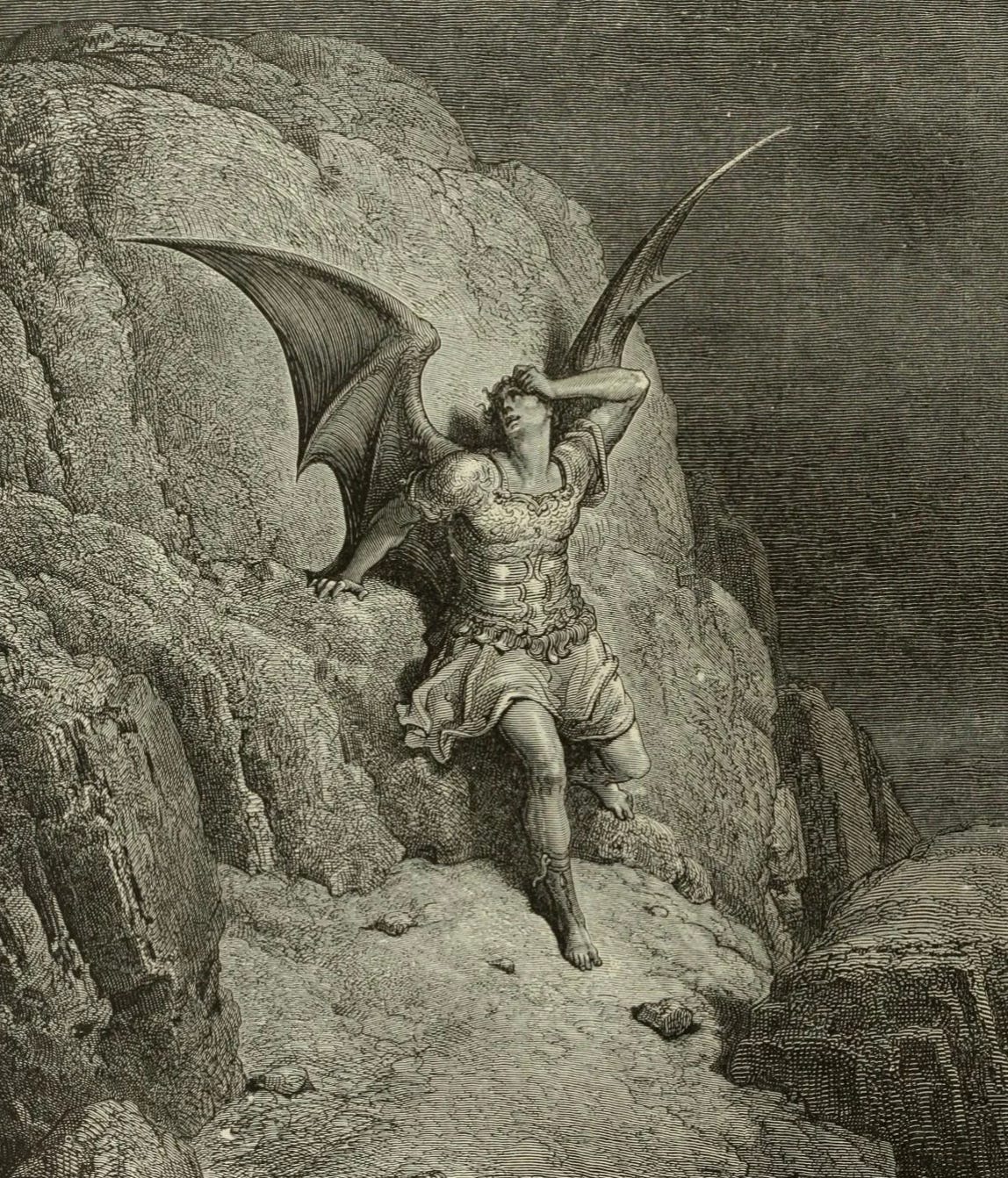
Paradise Lost, is an epic poem in blank verse - unrhymed iambic pentameter, a common meter in English dramatic and narrative poetry, often used by William Shakespeare. This story is one of the later works by English author John Milton, originally issued in 10 books in 1667 and, with Books 7 and 10 each split into two parts, published in 12 books in its second edition printing in 1674.
Many scholars consider Paradise Lost to be one of the greatest poems in the English language. It tells the biblical story of the fall from grace of Adam and Eve (and, by extension, all humanity) in rhythmic language, and in full. The 12-book structure, the technique of beginning in medias res (in the middle of the story), the invocation of the muse, and the use of the epic question (a formal request or inquiry posed by the narrator to a Muse at the very beginning of a traditional epic poem) are all classically inspired. The subject matter, however, is distinctly Christian.
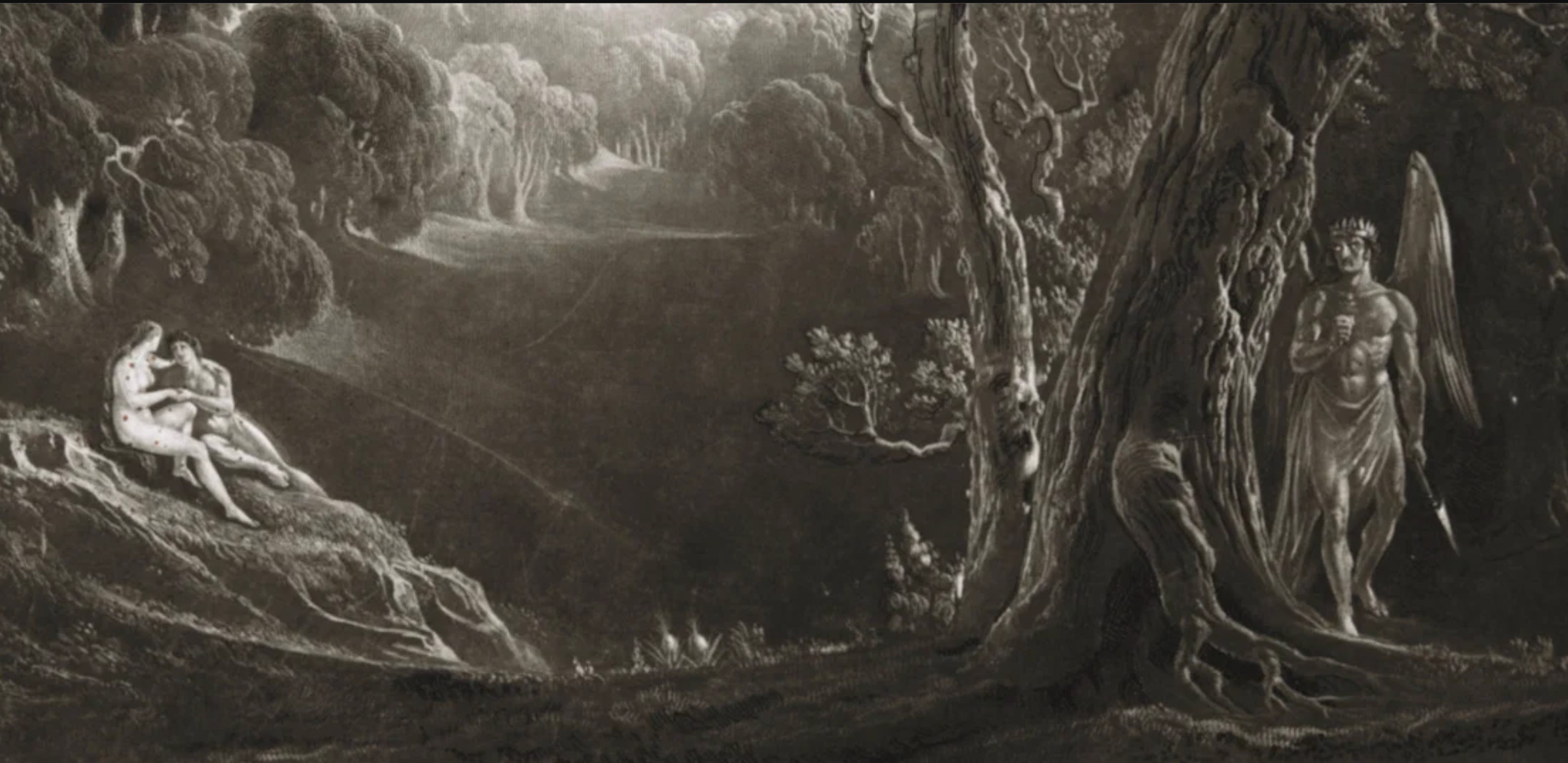
The main characters in the poem are God, Lucifer (Satan), Adam, and Eve. Much has been written about Milton’s powerful and sympathetic characterization of Satan. The Romantic-era poets William Blake and Percy Bysshe Shelley saw Satan as the real hero of the poem and applauded his rebellion against the tyranny of Heaven.
Many other works of art have been inspired by Paradise Lost, notably Joseph Haydn’s oratorio The Creation (1798) and John Keats’s long poem Endymion. Milton wrote a companion piece, Paradise Regained, in 1671, which dramatizes the temptation of Christ.
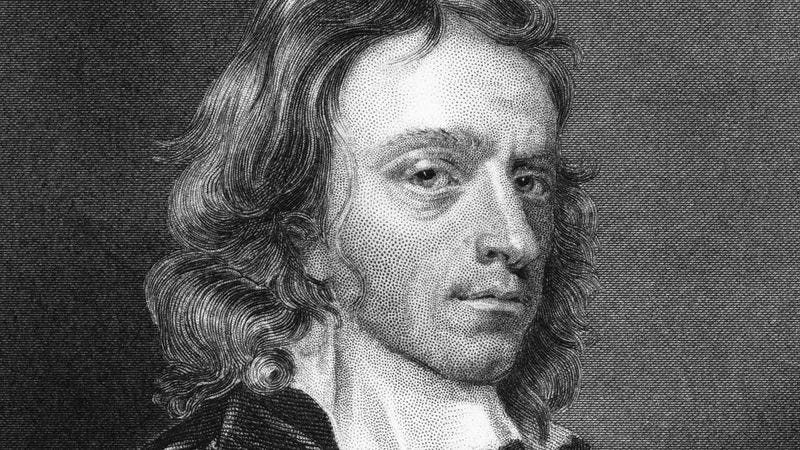
John Milton (born December 9, 1608, London, England—died November 8, 1674, London?) was an English poet, pamphleteer, and historian, considered the most significant English author after William Shakespeare.
Paradise Lost together with Paradise Regained and the tragedy Samson Agonistes, confirm Milton’s reputation as one of the greatest English poets. In his prose works Milton advocated the abolition of the Church of England and the execution of Charles I. From the beginning of the English Civil Wars in 1642 to long after the restoration of Charles II as king in 1660, Milton espoused in all his works a political philosophy that opposed tyranny and state-sanctioned religion.
Milton’s influence extended not only through the English civil wars and interregnum but also to the American and French revolutions. In his works on theology, he valued liberty of conscience, the paramount importance of Christian Scripture as a guide in matters of faith, and religious toleration toward dissidents. As a civil servant, Milton became the voice of the English Commonwealth after 1649 through his handling of its international correspondence and his defense of the government against polemical attacks from abroad.
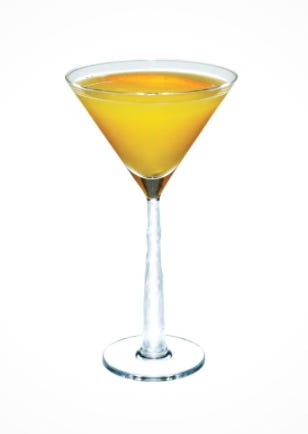
As a salute to this epic poet, and his iconic work, we give you today’s Drink Of The Day, a Paradise Passion Martini cocktail & mocktail.
Ingredients
Here’s what you’re going to need for this drink:
