
Today’s DOTD - Drink Of The Day - is an Alabama Planter’s Punch, inspired by something that might bug some of you - the unveiling of The Boll Weevil Monument in Alabama on December 11, 1919.
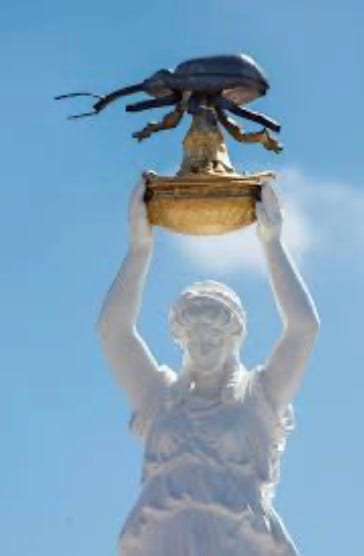
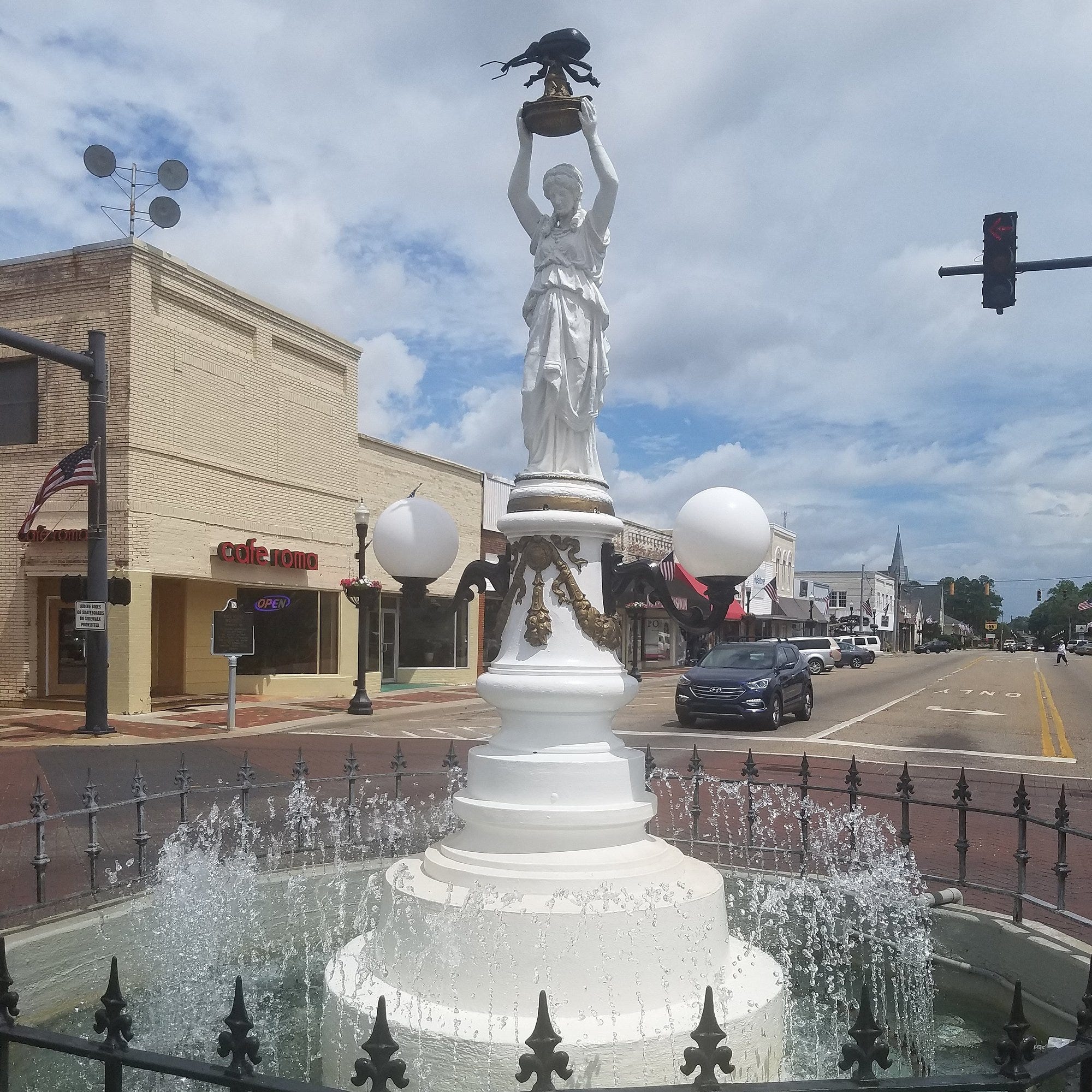
The Boll Weevil Monument resides in the small town of Enterprise, Alabama, in the southeast corner of the state. And while you may think the insect responsible for nearly decimating the cotton crops of the United States a century ago would be hated, strangely enough, the people of this town erected this tribute to the bug for its profoundly positive influence on their economy.
Let us explain.
The boll weevil is a type of beetle native to Mexico, that lives almost exclusively on cotton plants. In the early season, adult boll weevils feed on cotton leaves, and when it’s time to reproduce, they puncture the cotton “square”—the pre-floral bud of the plant—to lay their eggs. When the eggs hatch, the grubs chew their way through everything inside - the boll of the plant - and by the time the plants open up, the cotton lint that should be present is largely gone. In a single season, one mating pair of these prolific buggers can produce 2 million offspring, all from an insect that only measures about ¼ inch in length, smaller than the pinky fingernail of most people.
Scientists have traced the origin of the boll weevil in the U.S. to 1892, in the area near Brownsville, Texas, when the bugs likely crossed the Rio Grande river on some kind of trade shipment. The insect, which can’t fly very far, can hitch rides on all kinds of other animals, and in trade items. Once the weevil crossed the border, they expanded everywhere they could. By the 1920s, weevils blanketed the cotton-producing South, surviving from one year to the next by hibernating in woods, Spanish moss, and field trash that surround the many cotton fields of the region.
Farmers couldn’t afford to abandon cotton, as it was one of the most profitable crops they could grow. More importantly, cotton would grow on what’s called “marginal land” - sandy, well-drained land that not a lot of crops can tolerate. So farmers in the South engaged in a very expensive, multi-generational battle against the weevil to keep farming cotton.
In 1910, a businessman named H.M. Sessions moved to Enterprise from the Missouri Ozarks and started up an agricultural supply & mule sale business. Of course, he quickly became familiar with the plight of the cotton farmers in their battle with the weevils, as their fight affected his bottom line. Unsurprisingly, Sessions began looking for a solution to the problem of his customers, who were having financial difficulties - and hence, endangering his business.
As part of his business, Sessions was known to travel as far as Virginia, through the Carolinas, and the rest of the South, and everywhere he went, he noticed that where farmers had changed from growing cotton to growing peanuts, they weren’t having problems, as weevils didn’t care about peanuts.
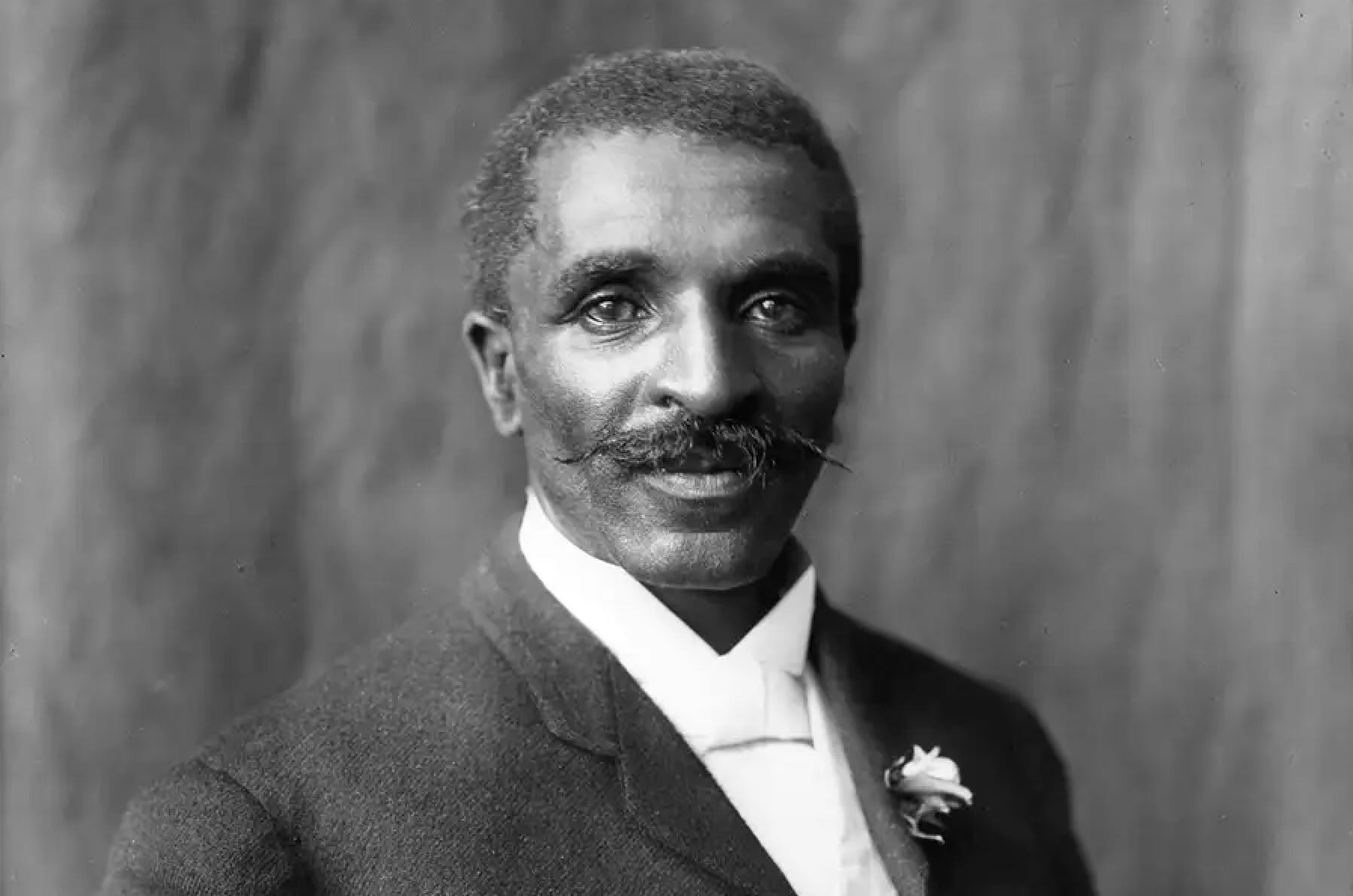
About the same time Sessions was searching for a solution, legendary Black scientist and professor at the Tuskegee Institute (now Tuskegee University) George Washington Carver was developing techniques to improve types of soils depleted by repeated plantings of cotton. One of the best ways to do this was to rotate crops - change out what kind of crops a farmer grows every couple of years. Carver’s primary option for farmers looking to cycle away from cotton? Was peanuts.
Mr. Sessions was also keen on peanuts, given what he’d seen, and what Professor Carver was teaching, just 100 miles or so away from Enterprise. Sessions quickly saw the boll weevil infestation as an opportunity to convert the area to peanut farming from cotton. In 1916, Sessions convinced an indebted farmer, C.W. Baston, to replace his entire cotton crop with peanuts, a first for the area around Enterprise.
According to the Pea River Historical and Genealogical Society in Enterprise, “In 1916, Mr. Baston planted his entire crop in peanuts. That year, he earned $8,000 from his new crop” - $237,780 in 2025 dollars. That fall, Baston was able to pay off all his prior years of debt and still have money left over. At the same time, the entirety of Coffee County cotton production was down to only 1,500 bales of cotton, 1/10th their normal production level. Other farmers quickly followed Mr. Baston’s example, and Mr. Sessions soon became one of the biggest peanut processors in the region. In fact, the Sessions family business still processes peanuts today.
A few years after this change of fortune for the area, a local businessman named Bon Fleming got the idea to build a statue honoring the boll weevil as a catalyst for change. He helped finance it, and on December 11, 1919, the statue was dedicated.

The monument itself is vaguely reminiscent of the Statue of Liberty, though only 13 feet tall rather than 151 feet tall. However, instead of residing on its own island, The Boll Weevil Monument sits at the intersection - literally, in the intersection - of College and Main Street in Enterprise’s business district. And yes, instead of raising a torch this monument hoists a giant boll weevil.
As a salute to the ability to learn, grow, and change - sometimes because we were bugged to do so - we give you today’s Drink Of The Day, the Alabama Planter’s Punch.
Ingredients
Here’s what you’re going to need for this drink:
