
Today’s DOTD - Drink Of The Day - is the Duke Cocktail inspired by the premiere of Duke Ellington at the Cotton Club!
On the evening of December 4, 1927, Duke Ellington opened at the famous Cotton Club in Harlem. His residency at the Cotton Club is one of the enduring legends of jazz. It generated national attention through weekly radio broadcasts, hit records, and widespread accolades, and became the model for musical artists today, setting up residencies everywhere from Madison Square Garden to Las Vegas.
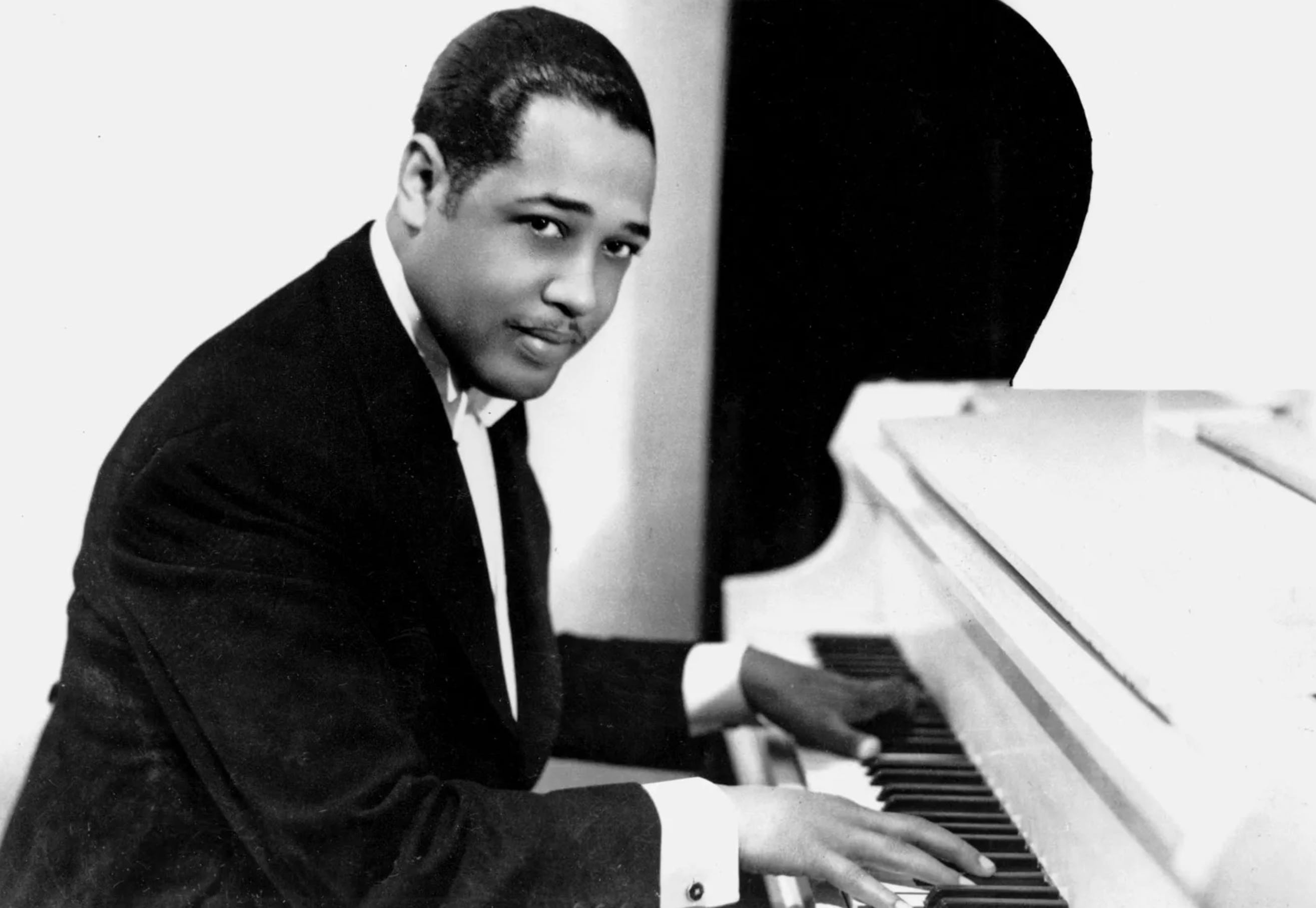
Edward Kennedy “Duke” Ellington was born in 1899 to parents who were both pianists. The family lived in Washington, D.C. and Ellington began to take piano lessons at age seven. His friends noticed his casual, offhand manner and dapper dress, so they figured a title of nobility fit and began calling him “Duke.” Ellington credited his friend Edgar McEntee for the nickname.
Ellington started sneaking into a pool hall when he was fourteen years old, and hearing the pianists there ignited his interest - so he began to take his lessons seriously. The next year, while working as a soda jerk, he wrote his first composition, the Soda Fountain Rag. He did it by ear as he hadn’t yet learned to read and write music.
By 1917, he formed his first group, The Duke’s Serenaders, who grew to play throughout the Washington DC area. By 1923, the Serenaders got a gig in Atlantic City, and soon after moved to the Hollywood Club at 49th and Broadway in New York, where they stayed for four years. In 1927, after a shuffle among jazz bands, the Serenaders became the house band at the legendary Cotton Club, and history was made.
The Cotton Club was located at 142nd St. and Lenox Ave. in Harlem from 1923-1936, and then in Midtown until 1940. It had actually been started by legendary Black boxing champion Jack Johnson in 1920 under the name Club Deluxe, but after the prominent bootlegger and gangster Owney Madden was released from prison in 1923, he took it over, made Johnson the manager, and renamed it the Cotton Club.
As you may have noticed, all of this was happening during Prohibition. The gangster Owney Madden used the Cotton Club to sell his illegal beer and liquor, and was shut down briefly in 1925, but soon reopened without police interference, when they went back to selling booze.
The rise of Duke Ellington also came during the years of Jim Crow laws and segregation - and the Cotton Club was a whites-only establishment. It bore the racist imagery of the era, with décor modeled after plantations of the old South. As was the racist custom, all the waiters and entertainers were African-American.
Still, Ellington’s contributions to popular culture, for both Blacks & Whites, was huge. In 1937, after the Cotton Club had moved to midtown, the New York Times wrote “So long may the empirical Duke and his music making roosters reign – and long may the Cotton Club continue to remember that it came down from Harlem.”
Duke’s fame spread far and wide, as the Cotton Club did national radio broadcasts of his shows. He was the first American Black performer to have his work on national radio and his career never looked back. Ellington became a prolific composer, writing or collaborating on more than a thousand songs, and becoming the driving force behind the popularity of big band jazz.
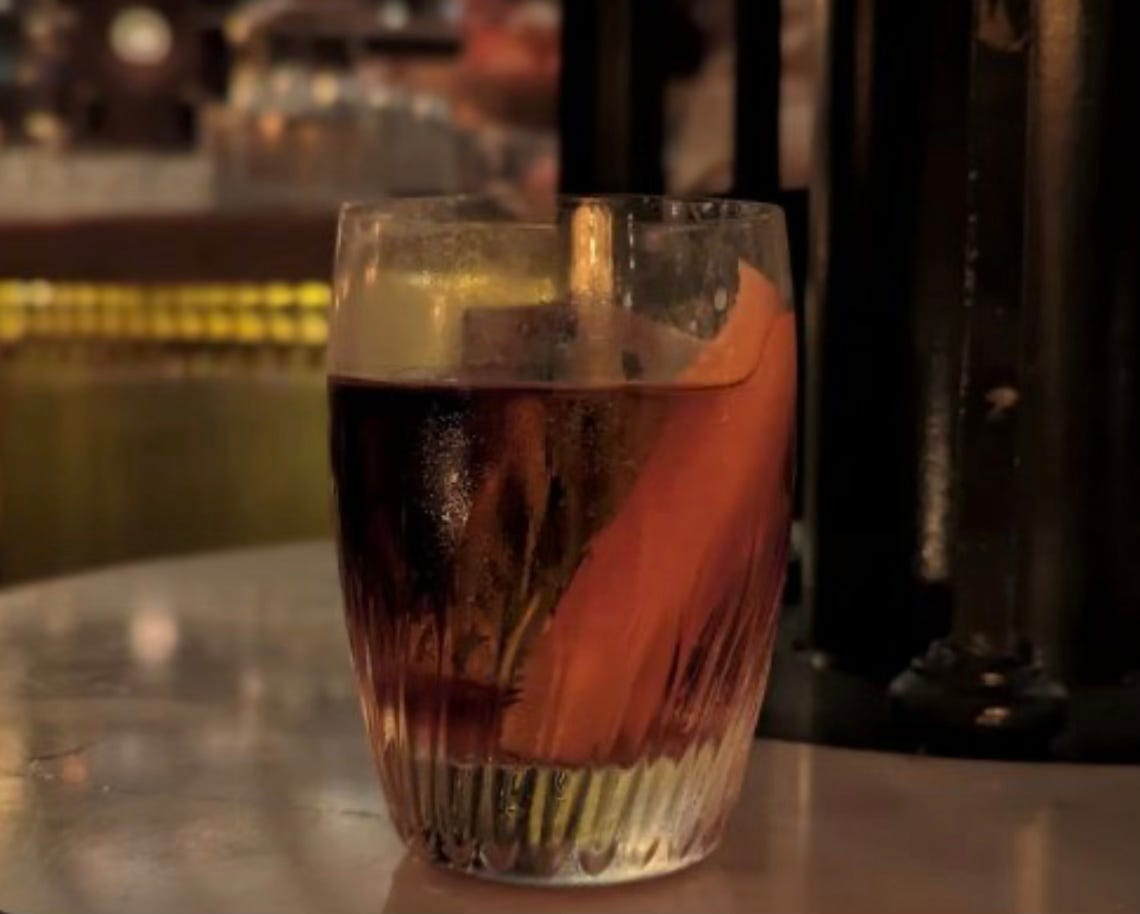
We raise a glass in salute to The Duke, and give you today’s Drink Of The Day, the Duke Cocktail.
Ingredients
Here’s what you’re going to need for this drink:
