
Today’s DOTD - Drink Of The Day - is a Boston Rum Punch inspired by The Boston Molasses Disaster. On January 15, 1919, a giant tank of molasses exploded. It’s often known as the Great Molasses Flood or Boston Molasses Disaster.
The primary alcohol made from molasses is rum, a spirit created by fermenting molasses (a byproduct of sugar refining) with water and yeast, then distilling the mixture, and often aging it in oak barrels for flavor. The Purity Distilling Company in the North End neighborhood of Boston made rum from their molasses - though on this day, what they made was a disaster.
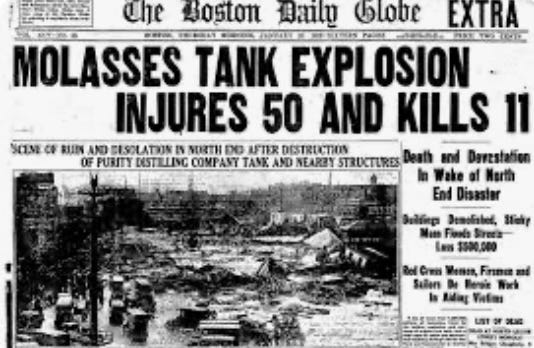
While the exact reason for the disaster remains unknown, it’s believed that a rapid change in outdoor temperature, from cold to warm, combined with a fresh load of molasses, and extremely poor engineering of the tank, combined to cause the explosion.
On January 15, 1919, temperatures in Boston had risen above 40 degrees Fahrenheit (4 degrees Celsius), climbing rapidly from the frigid temperatures of the preceding days. A ship had delivered a fresh load of molasses the day before, and the molasses had been warmed to decrease viscosity for transfer. The combination of temperatures and rapid changes appears to have caused what happened next.
At approximately 12:30 PM, an above-ground storage tank holding 2.3 million gallons of molasses burst. The tank was 50 feet tall and 90 feet in diameter, and the density of molasses is about 1.4 metric tons per cubic meter (12 pounds per US gallon), 40 percent more dense than water - which means the molasses had an enormous amount of potential energy.
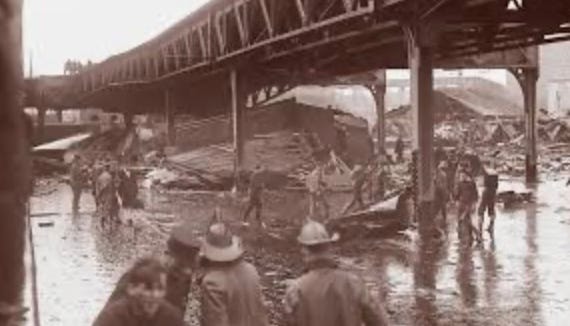
When the tank burst, the resulting flood unleashed a wave of molasses 25 feet high, moving up to 35 miles per hour. Buildings were swept off their foundations, a streetcar was tipped over, and the streets for several blocks were flooded to a depth of 2 to 3 feet with molasses.
The Boston Post wrote about the incident that day:
Molasses, waist deep, covered the street and swirled and bubbled about the wreckage…..Here and there struggled a form – whether it was animal or human being was impossible to tell.”
As molasses is a non-Newtonian fluid, its viscosity changes under stress, thinning & flowing quickly under pressure and heat, while thickening as it cools. These fluid dynamics made the disaster even worse. As a 2013 article in Scientific American stated:
“A wave of molasses does not behave like a wave of water. [...] A wave of molasses is even more devastating than a typical tsunami. In 1919 the dense wall of syrup surging from its collapsed tank initially moved fast enough to sweep people up and demolish buildings, only to settle into a more gelatinous state that kept people trapped.”[
In the end, about 150 people were injured, 21 were killed, and a number of horses died as well.
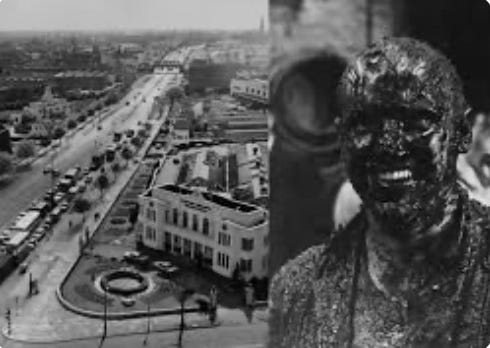
The cleanup in the immediate area of the disaster took weeks, while it took longer to clean the rest of Greater Boston. Crews used salt water pumped by a fireboat and hundreds of people contributed to the cleanup effort. Unfortunately, they tracked molasses everywhere – side streets, trains, you name it – and they said the entire town was sticky. And smelled like molasses.
An inquiry after the disaster revealed that Arthur Jell, the treasurer of the company that owned the exploding tank, had neglected basic safety tests while overseeing construction of the tank, and had ignored warning signs such as groaning noises each time the tank was filled. He also had no architectural or engineering experience. More recent evaluations of the incident confirmed that everything from the poor quality of steel, to the rivets, to the design contributed to the disaster.
In the wake of the accident, 119 Bostonians brought a class-action lawsuit against the United States Industrial Alcohol Company (USIA), which had bought Purity Distilling in 1917. It was one of the first class-action suits in Massachusetts and is considered a milestone in paving the way for modern corporate regulation. Many laws & regulations governing construction were also changed as a direct result of the disaster, including requirements for oversight by a licensed architect and civil engineer. In the end, some good did come from this horrible disaster - but those who had to live through it experienced a horror few can ever understand.
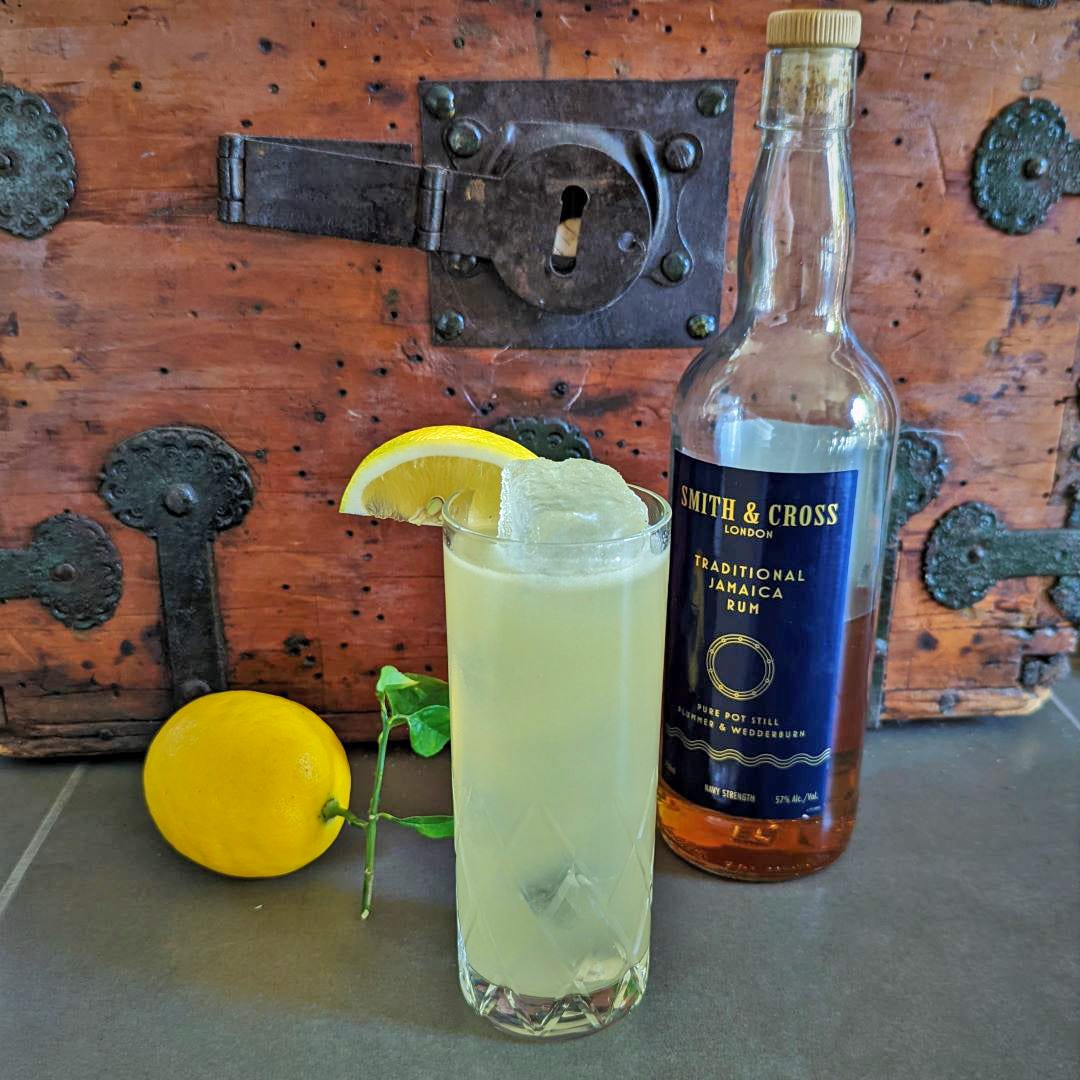
With that lesson in mind, let’s raise a glass of the Drink Of The Day, a Boston Rum Punch.
Ingredients
Here’s what you’re going to need for this drink:
