
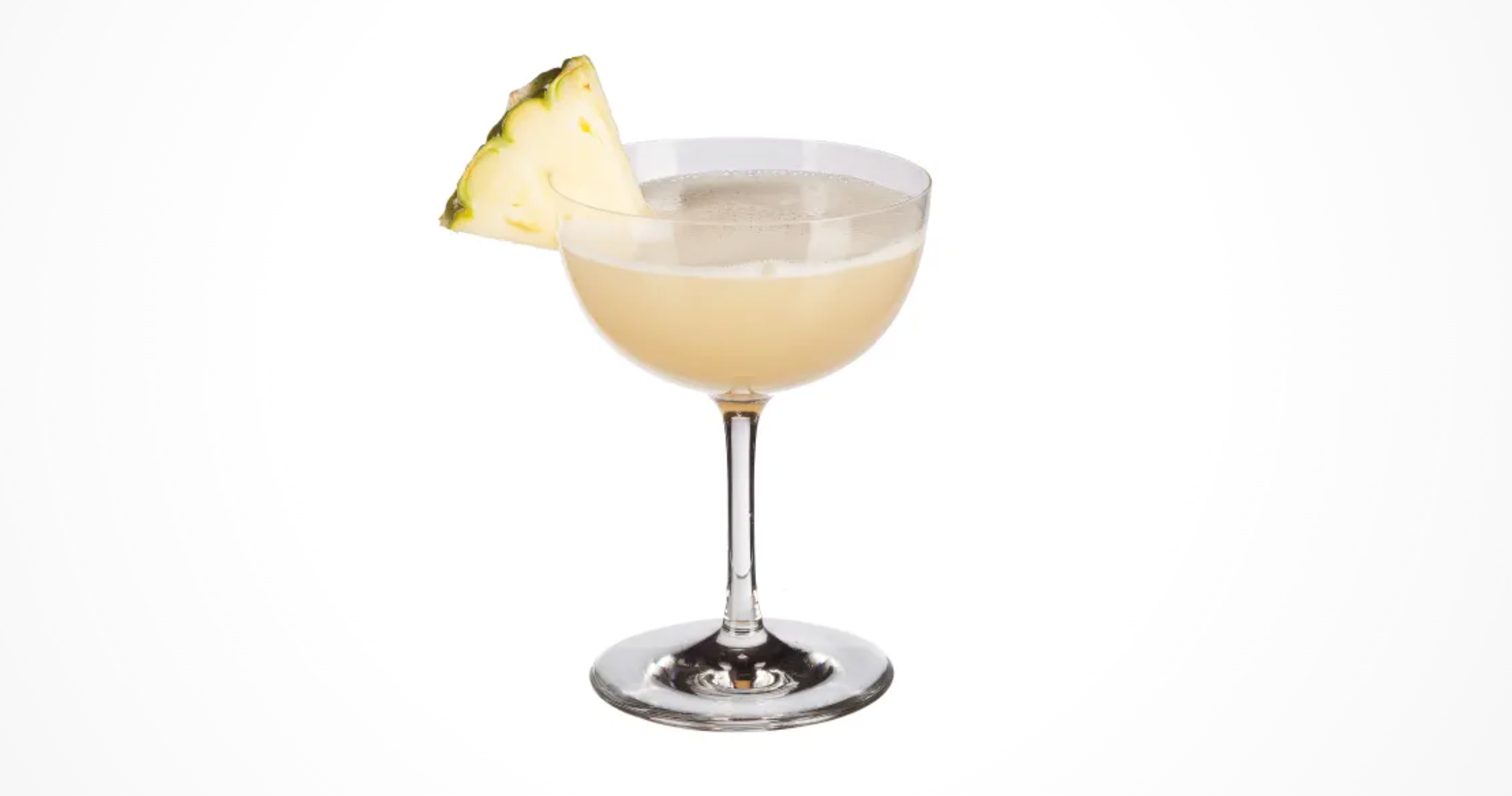
Today’s DOTD - Drink Of The Day - is a Pineapple Daiquiri inspired by National Waitstaff Day!
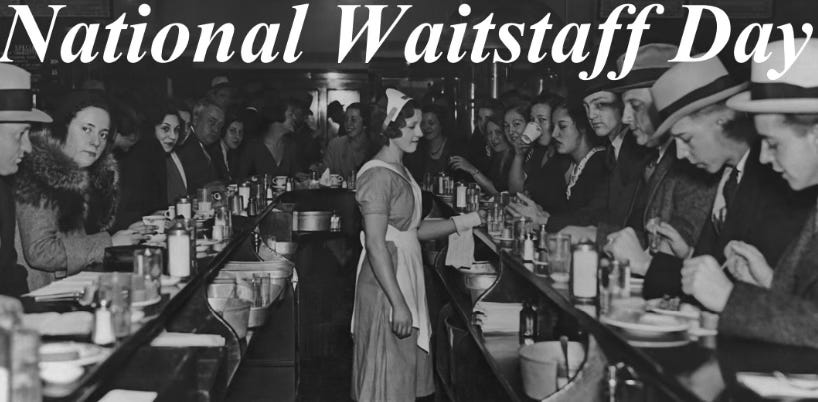
The History Behind National Waitstaff Day
Who really makes every dinner out great? The people who juggle drink refills, special requests, timing, and table-side problem-solving while keeping the room feeling welcoming - in other words, waitstaff.
Waitstaff are the steady hands behind a smooth meal, whether it’s a quick breakfast, a big family gathering, or a once-in-a-while splurge. National Waitstaff Day puts the spotlight on these professionals, and the skill it takes to make hospitality look effortless, even when the dining room is anything but calm.
National Waitstaff Day was established in 1988 to encourage restaurant owners, diners, and politicians to show appreciation to those people who make going to the 1 million-plus restaurants across the United States an enjoyable & positively memorable experience. The day’s entire purpose is to honor these individuals, and shos them the appreciation they richly deserve.
That focus on appreciation is especially fitting because waitstaff work sits at the intersection of business, hospitality, and human connection. Members of the waitstaff career field support restaurants not only by taking orders, but by protecting the guest experience when things go sideways: a steak cooked wrong, a reservation missed, a kitchen delay, a sudden spill, or a guest with an urgent allergy concern.
Waitstaff are also often the face of the establishment, the person who turns a first-time visitor into a regular by remembering names, making thoughtful suggestions, or guiding someone toward a dish they end up loving.
National Waitstaff Day also invites a broader look at the challenges of service work. Schedules can be unpredictable, shifts can be physically intense, and the job demands constant attentiveness. Many servers learn a wide range of practical skills that transfer to other fields: multitasking under pressure, conflict resolution, sales/marketing and persuasion, and rapid problem solving.
Waitstaff also often have to act as unofficial managers in the moment, keeping service moving smoothly while maintaining the mood of the room. In many restaurants, a great server is both a host and a coordinator, quietly improving everyone’s night.
On the employer side, this holiday is a gentle nudge that appreciation is most powerful when it is built into the workplace, not delivered only as a yearly pat on the back. Recognition can mean fair scheduling, clear policies for handling difficult guests, training that sets staff up for success, and a culture where teamwork is valued.
It can also mean listening to the people who do the job every day, because waitstaff typically know exactly where bottlenecks happen and what changes would make service smoother for guests and staff alike.
For diners, National Waitstaff Day is an invitation to notice the craft behind the comfort. The next time a meal feels easy, it is worth remembering that “easy” is often the result of a dozen small decisions made quickly and correctly by the people working the floor. A thoughtful word, respectful behavior, and appropriate generosity are simple ways to honor the professionals who make dining out feel like a treat.
National Waitstaff Day Timeline
100 AD/CE - Servers in Roman Thermopolia
In ancient Rome, counter-service eateries called thermopolia employed attendants who served food and drink to patrons, an early example of professionalized public food service.
1765: Birth of the Modern Restaurant in Paris
Parisian cook Antoine Boulanger is historically credited with opening the first modern “restaurant” in Paris around 1765. He sold individual dishes of fortifying broths called “restaurants” - derived from the French verb “restaurer,” or “to restore” in English - at small tables, served by dedicated staff who waited for the customers to request service from them. Hence the terms “restaurant” & “waitstaff” were born.
• 1890s - 1900s: Ritz, Escoffier, & Luxury Table Service
Hotelier César Ritz and chef Auguste Escoffier at London’s Savoy and Paris’s Ritz Hotels begin standardized elegant front-of-house service and the brigade system, raising the status and professionalism of waitstaff.
• 1915: The “Tipping is Un-American” Debate in the U.S. Begins
Critic William Scott’s book “The Itching Palm” argued that tipping undermined democracy, highlighting how American restaurant servers were coming to depend on tips instead of stable wages.
• 1938: Fair Labor Standards Act and Service Work
The U.S. Fair Labor Standards Act established a federal minimum wage and overtime rules, but many service workers, including some restaurant staff, were initially excluded, shaping compensation for waitstaff.
• 1966: Federal Tip Credit Introduced
Amendments to the Fair Labor Standards Act created the “tip credit,” allowing U.S. employers to pay tipped workers a lower cash wage if tips made up the difference, cementing a distinct pay structure for servers.
• 2001: Establishment of the Restaurant Opportunities Center
Following the September 11 attacks, advocates formed the Restaurant Opportunities Center of New York, later ROC United, to organize restaurant workers, including servers, around wages, benefits, and workplace rights.

How to Celebrate National Waitstaff Day
Celebrating National Waitstaff Day is simple! Check out a few of these ideas to get started:
Ways To Show Your Thanks To Your Waitstaff
Drop by your nearest restaurant and thank your waitstaff! A sincere, specific thank you can mean more than people realize, especially in a job where a person’s effort is often invisible unless something goes wrong.
Instead of a quick “thanks,” make it personal and concrete. Mention what stood out: keeping the table on track when the restaurant was busy, remembering a preference without being asked twice, explaining the menu clearly, or handling a mix-up without making it anyone else’s problem. Waitstaff are constantly triaging needs, balancing priorities, and reading the table. Recognizing that skill, even briefly, can feel like a small reset in the middle of a demanding shift.
It also helps to show appreciation in ways that make the job easier. Being ready to order when the server returns, asking questions all at once rather than one at a time, and listening closely when they share key details (like which dish takes longer, what is sold out, or how spicy something truly is) signals respect.
Treating the entire waitstaff team like humans, not props, also shows respect. Many dining rooms run on teamwork: Hosts manage flow, bussers reset tables, food runners deliver plates, bartenders build drinks, and servers connect it all. Saying thank you to more than one person acknowledges the reality of how service actually works.
A good thank you can also include kindness when something is not perfect. Waitstaff frequently have little control over kitchen timing, inventory, or a sudden rush, but they’re the person customers primarily interact with. A calm tone, patience, and a little grace make a shift better for everyone. National Waitstaff Day is a great reminder that respect is part of the tip, too.
Leave a Good Tip
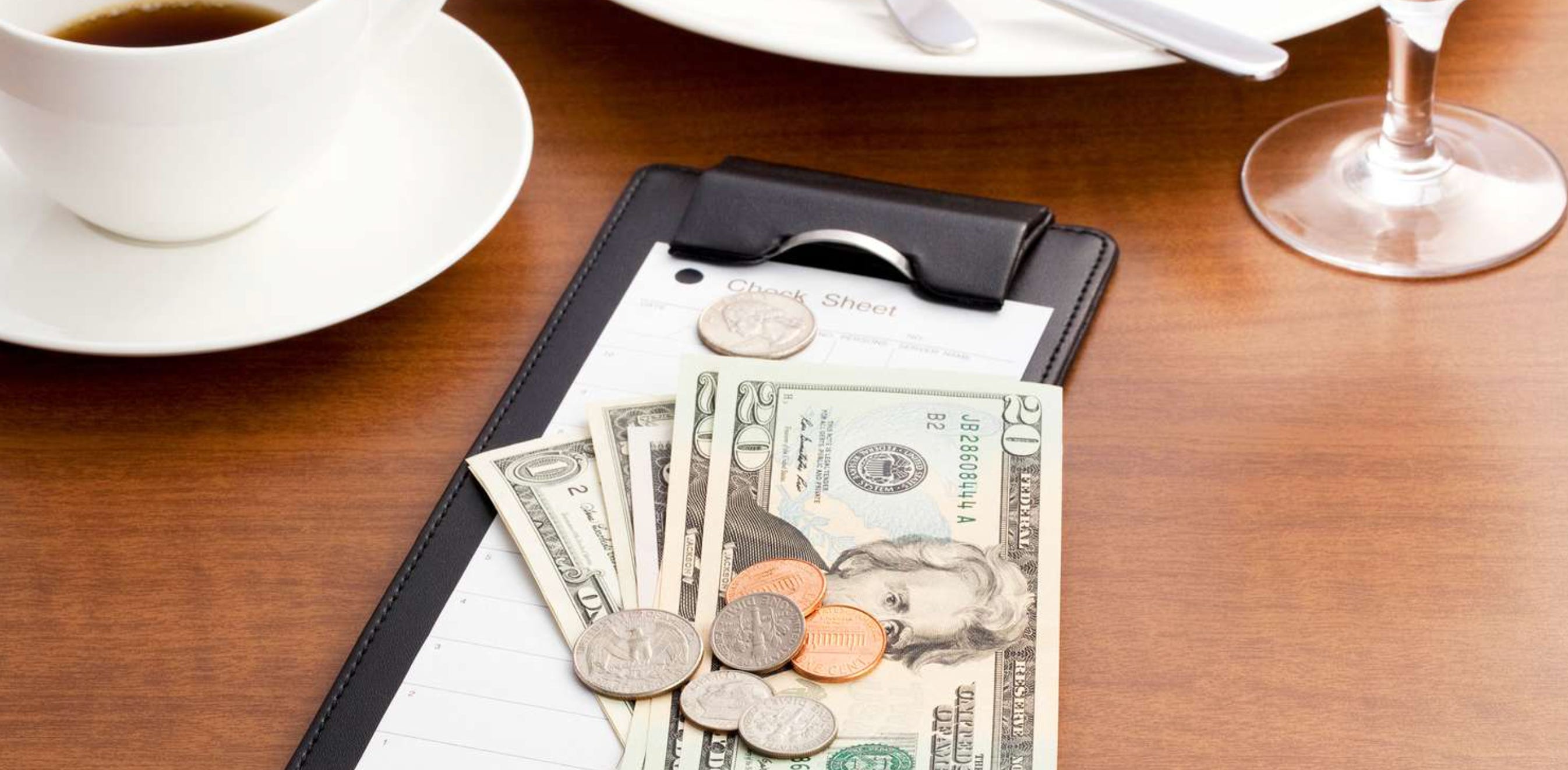
If you’re in a place where it’s appropriate, you can also thank your waitstaff by leaving a sizable tip (which you should do on any day, of course). On this day, be even more generous than usual! National Waitstaff Day is a great excuse to treat you and your family to a relaxing meal out, while showing your appreciation as well.
Tipping is not the same everywhere, and customs vary by region, restaurant type, and pay structure. Some establishments use service charges, pooled tips, or no-tipping policies. In those cases, appreciation can still be shown by asking how gratuities work and following the house approach rather than guessing.
When tips are part of compensation, a strong tip can help offset the unpredictable nature of service work, where income can swing based on season, weather, staffing levels, and shifts that go long.
A “good tip” is also about fairness. Consider the invisible labor that goes into a table: greeting, water service, explaining options, managing courses, checking allergies, coordinating with the kitchen, clearing plates, boxing leftovers, splitting checks, and handling payment smoothly. Many guests do not see the constant movement between tables and stations, the quick mental math, or the careful attention to who needs what without hovering.
It can also be helpful to tip based on the service provided, not just the complexity of the order. A server who guides a group through the menu, keeps the vibe relaxed, and solves problems quietly is doing skilled work, even if everyone ordered simple items. If a guest stays for a long time, especially during a busy period, that table is “occupied real estate.” Higher consideration can reflect the time and attention invested.
And beyond money, there is another kind of tip that costs nothing: making the transaction easier. Keeping payment organized, letting the server know early if the check needs to be split, and being patient during peak rush all reduce friction in a job built on rhythm. National Waitstaff Day is a reminder that gratitude is most meaningful when it shows up in both words and actions.
Keys To National Waitstaff Day
Remember - great service is not just “being nice.” It’s clear communication, strong coordination, and calm composure, performed in real time. When waitstaff are at their best, food arrives hot, allergies are taken seriously, the pacing feels natural, and guests leave feeling cared for.
National Waitstaff Day celebrates that work, and encourages guests and employers to show genuine appreciation, by inviting everyone to notice how much expertise goes into an experience many people take for granted.
Make sure to leave a good tip as well as giving a big thank-you to the waitstaff who serve us food at restaurants, often while underpaid and overworked.
And of course, if you order today’s Drink Of The Day, a Pineapple Daiquiri, anywhere but The Politics Bar, make sure you tell them we said “Thank you” as well.
Finally, if you are waitstaff, looking for a great Pineapple Daiquiri recipe for your after work hours, we’ve got one for you right here.
Ingredients
Here’s what you’re going to need for this drink:
