
Today’s DOTD - Drink Of The Day - is a Limerick cocktail & mocktail inspired by International Limerick Day!
International Limerick Day
Limericks are short poems, with a distinctive sound, which use a special meter and an AABBA rhyming scheme. They’re ideal for the creation of nonsense verses, which is why many limericks tend to have a childish or even an obscene tone to them, ensuring that they pack a humorous punch.
Here’s one that’s a solid example:
There was a young fellow named Lear,
Who penned Limericks, so we hear.
So now we converse
In humorous verse
On Limerick Day every year!
What Is a Limerick?
A limerick is a special type of poem that is short, usually packed full of humor, and is somewhat nonsensical. Most importantly, limericks are meant to be funny.
A limerick is made up of five lines. The first two of the five lines must rhyme with the fifth line, while the third and fourth lines of the limerick should rhyme together. Another unique feature regarding a limerick is that it should have a particular rhythm – this rhythm is described as being an ‘anapestic trimeter’.
Limericks are renowned for the humor and fun they bring to traditional poetry; incorporating a number of interesting and nonsensical themes. A limerick can be whatever the writer wants it to be; the point of writing a limerick is to incorporate humor into the piece and have a little fun with words.
Limericks are meant to be instantly recognizable from the rhythm that the verses create, limericks are carefully constructed to create humor and bring laughter.
One of Edward Lear’s most famous Limericks is ‘There was a Young Lady’ – the limerick goes like this:
There was a Young Lady whose chin
Resembled the point of a pin;
So she had it made sharp,
And purchased a harp,
And played several tunes with her chin.
Or, how about this one?
There was an Old Man with a beard,
Who said, “It is just as I feared!
Two Owls and a Hen,
Four Larks and a Wren,
Have all built their nests in my beard!”
How to Celebrate International Limerick Day
Learn About Limericks
A great way to celebrate this monumental day from English literature is to spend some time learning more about limericks and poetry in general. A fantastic way to mark this incredible day dedicated to Edward Lear and his incredible works, is to sit down and write a few limericks of your own.
Share with Others
You can also opt to share your limerick creations onto social media as part of the celebrations to mark International Limerick Day. Join in the community of limerick lovers on social media and learn more about limericks and poetry in general.
Get the Kids Involved
International Limerick Day is the ideal opportunity to encourage children to become more interested in poetry, as it brings humor and fun to a topic that many children can often find dull and boring and struggle to understand.
The style of a limerick can work as a simple introduction to poetry to children and young people, with International Limerick Day helping schools to teach children how to create poetry and to learn to enjoy reading poetry.
Many schools celebrate International Limerick Day with workshops and classes focused on poetry and limerick writing, as well as offering students the opportunity to experience performances of limericks by professional poets.
Acquire a Limerick Book
Did you know that many people choose to celebrate International Limerick Day by purchasing a copy of Edward Lear’s famous 1846 opus ‘A Book of Nonsense’ and then spending the day reading, reciting and having fun with all of his incredible limericks?
Many people choose to perform these hilarious limericks to friends, family, and even colleagues to mark and celebrate International Limerick Day in style.
Write a Limerick
For anyone who is passionate about the written word and loves to spend time creating their own pieces of unique artistic works, International Limerick Day is an ideal excuse to put pen to paper and create a number of new, humorous pieces of content, perfect for sharing with friends and family.
If you need limerick writing inspiration or assistance, there are plenty of online resources that can help to make creating limericks somewhat easier and more enjoyable, and are perfect for utilizing as part of your International Limerick Day celebrations this year. Try visiting King Of Limericks, Limerick Land, or or It’s Lit Teaching for help.
Once you’ve seen some examples, spend International Limerick Day getting creative, writing your own five-line limericks, that are both funny and wonderfully obscene.
History of International Limerick Day
Each year on this day, International Limerick Day celebrates the birthday of famous English artist, illustrator, and much-loved author and poet, Edward Lear.
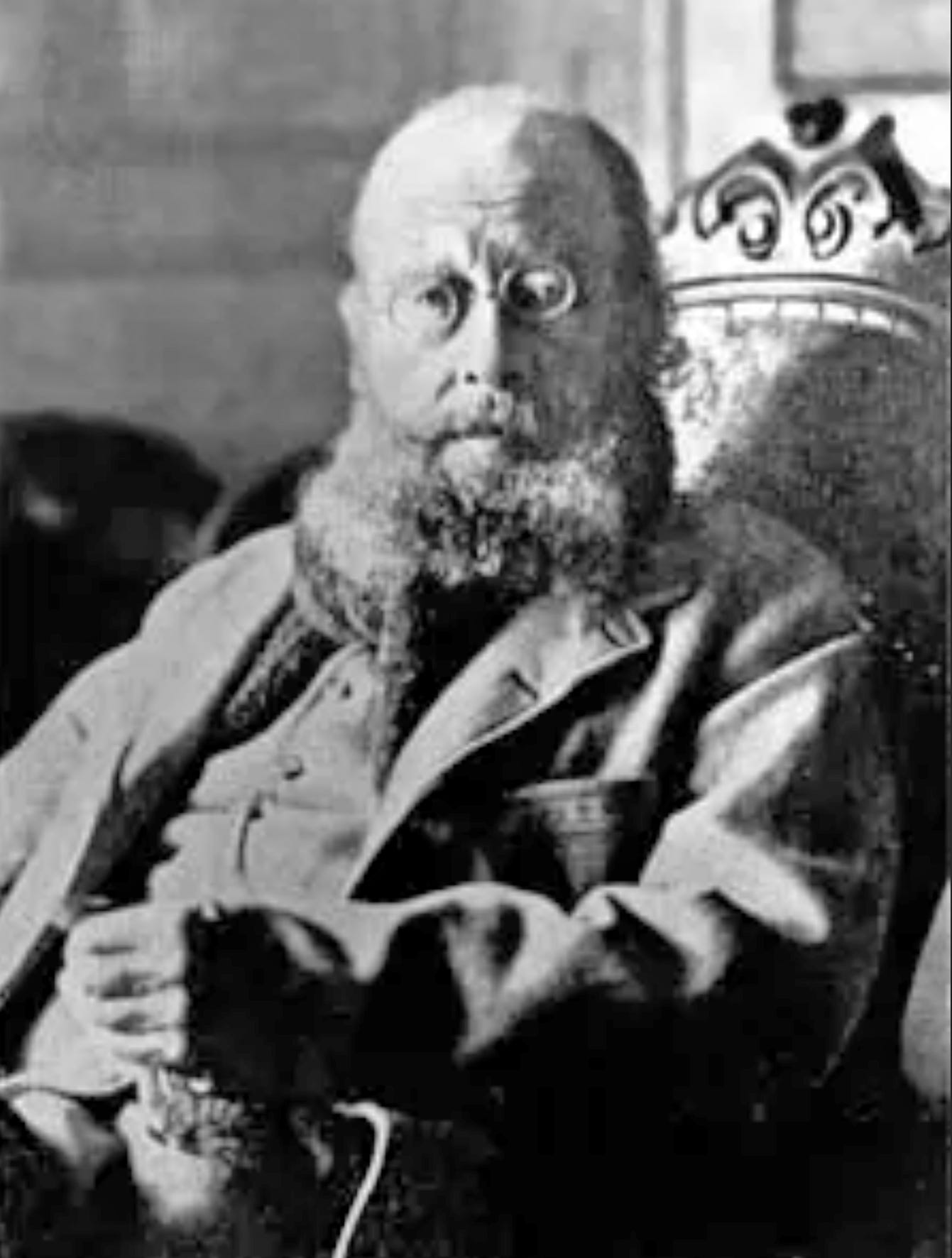
This multifaceted artist was born on May 12, 1812 and lived until January 29, 1888. Lear lived a long and vibrant life, making a significant contribution to the art world. International Limerick Day celebrates the incredible works he created during his life, including his many whimsical limericks. Edward Lear is primarily famed for his literary artistry in poetry, prose, and fittingly as the day is named, limericks.
International Limerick Day focuses on celebrating limerick poems, which were popularized by Edward Lear’s famous book of poems named ‘Book of Nonsense’ which was published in 1846, when he was 34-years-old.
What is International Limerick Day All About?
This day is all about bringing a little ‘silliness’ into your life through poetry - yes, limericks are poems! International Limerick Day offers the ideal opportunity to bring a little literary humor to your life through the art of limerick writing.
Limericks were named after the Irish city of Limerick, and although limericks were not in fact created by Edward Lear, it was he who popularized them, bringing the love of limericks to the masses. Limericks could potentially date back as far as 500 years, however it’s currently unknown when the very first limerick was created, and whether it was created purposely or by a happy accident.
International Limerick Day FAQs
Did limericks exist before Edward Lear’s time? Yes, limericks predate Edward Lear. The earliest recorded limerick is attributed to Saint Thomas Aquinas (1225–1274). Aquinas’ Latin prayer follows the limerick’s distinct AABBA rhyme scheme. This suggests that the limerick form has been in use since at least the 13th century.
The origin of the term “limerick” is debated. One theory links it to an 18th-century Irish soldiers’ song with the chorus “Will you come up to Limerick?” This refrain may have inspired the naming of the poetic form.
Shakespeare included limerick-like verses in his plays. For example, in “Othello,” the character Iago sings a song with a rhythm and rhyme scheme reminiscent of limericks
Traditional limericks often feature humorous, absurd, or even risqué themes. They frequently begin with a person from a specific place and describe an amusing or outlandish situation involving them. There is a notorious series of limericks that begins with “There once was a man from Nantucket…” that fits this description perfectly - but we don’t want to blacklisted from your email box, so you’ll have to find some of those yourself.
While limericks are often humorous or whimsical, they don’t always have to be funny. They can also address serious or nonsensical themes. Their defining feature is the AABBA rhyme scheme and rhythmic pattern, not necessarily their content.
Limericks can help teach rhyme schemes, rhythm, and creative writing. Their concise structure makes them useful tools for engaging students in poetry and language arts.
While the AABBA structure is standard, some poets experiment with variations. For instance, Edward Lear’s limericks sometimes deviate from the strict syllable count or rhyme, showcasing creative flexibility within the form.
Limerick competitions have long been popular in English speaking nations, especially in the 20th century. Magazines and businesses often hosted contests, challenging participants to create witty and humorous limericks.
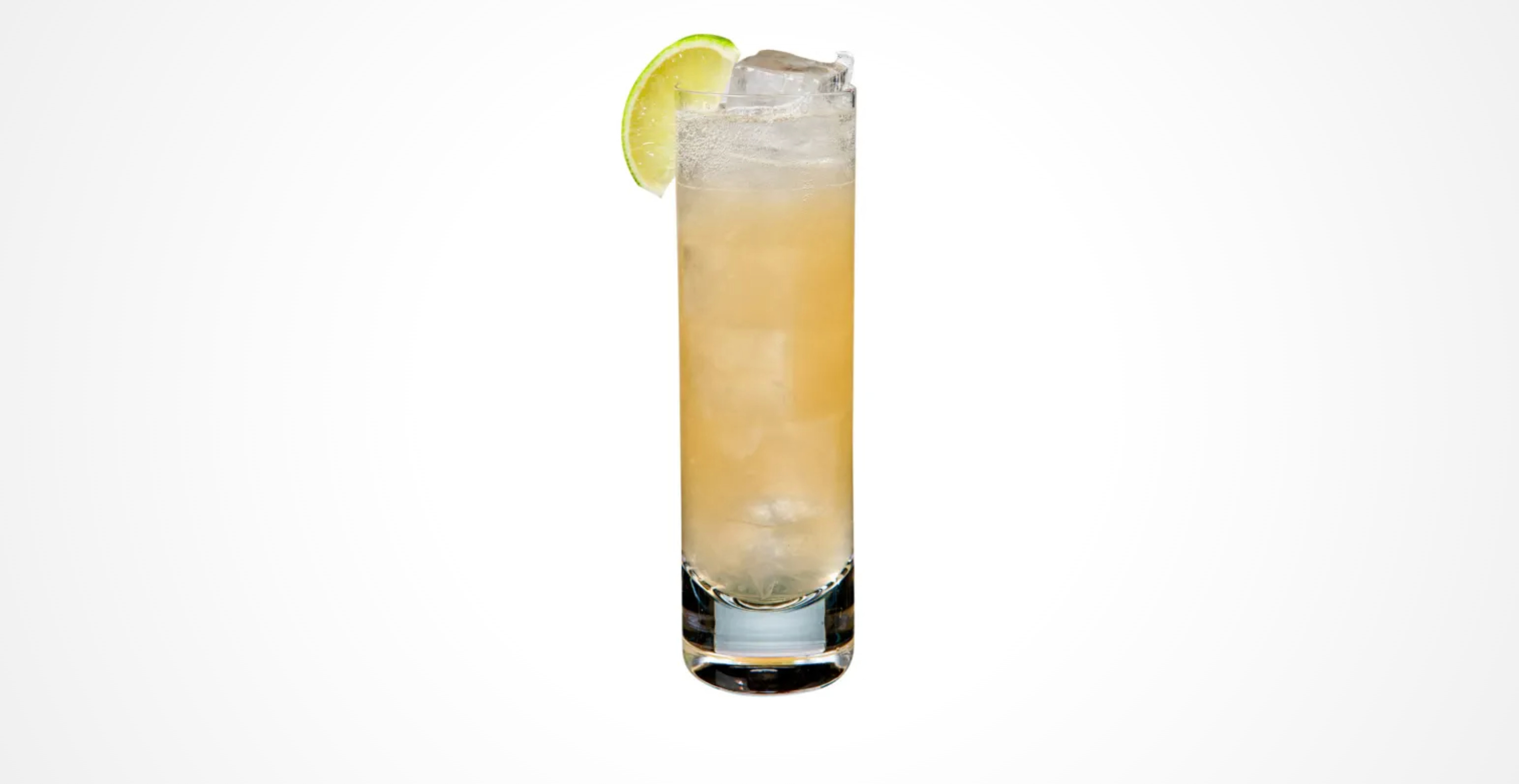
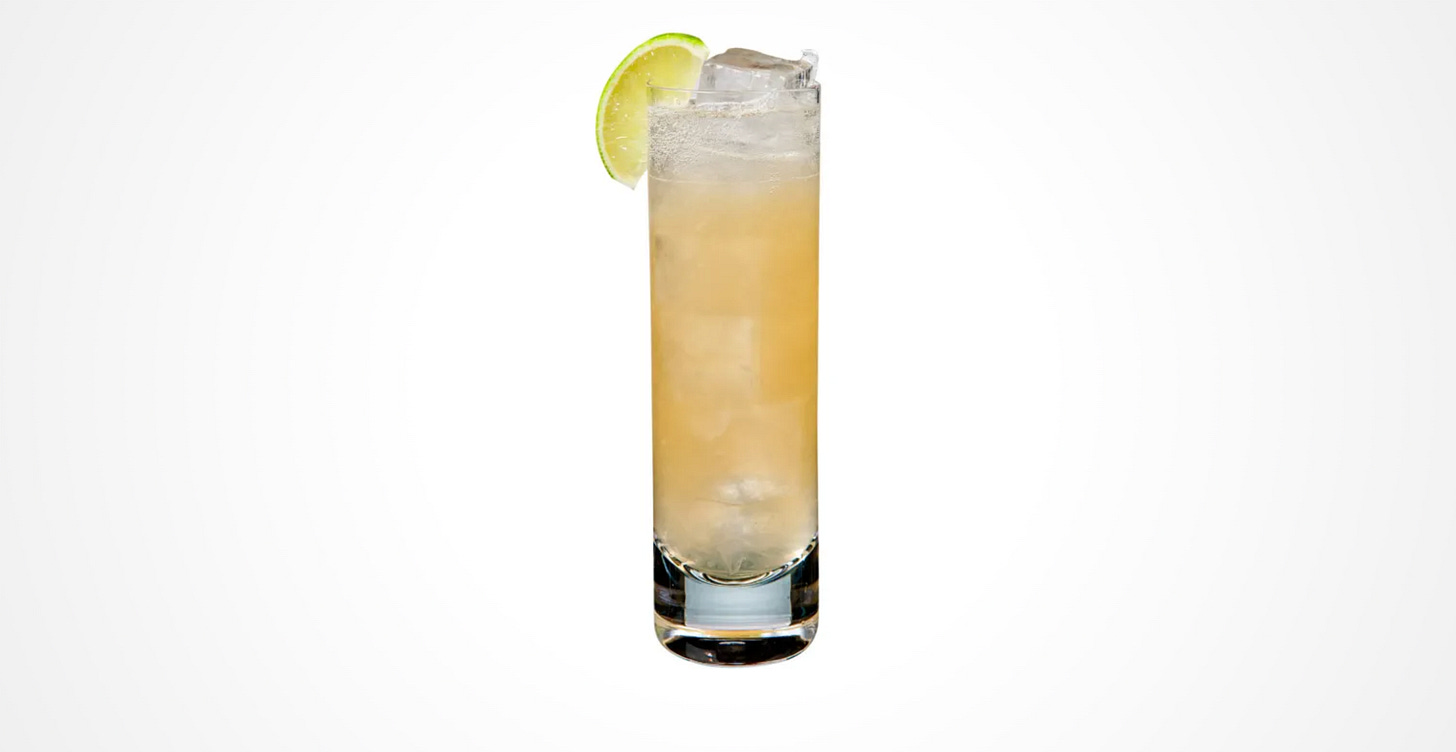
However you choose to celebrate International Limerick Day, we recommend you also have something to drink - and we’ve gotcha covered there too, with today’s Drink Of The Day, a Limerick cocktail & mocktail
Ingredients
Here’s what you’re going to need for this drink:
