
DOTD For Tuesday, May 5, 2026
Today, We're Saluting Mexico - And Cheering A Loss For The Confederacy
Today’s DOTD - Drink Of The Day - is a non-alcoholic drink called Agua de Pepino inspired by Cinco De Mayo. We know a margarita is probably on tap for a lot of you, and if you want a margarita recipe, here are a couple of links to different margaritas we’ve served up from last year:


Today’s Drink Of The Day celebrates a specific moment of victory in Mexican history - and an important defeat for the Confederacy in the U.S., which - given last week’s attack on the Voting Rights Act by the racist traitorous Confederates on the U.S. Supreme Court - we’re very much down to celebrate.
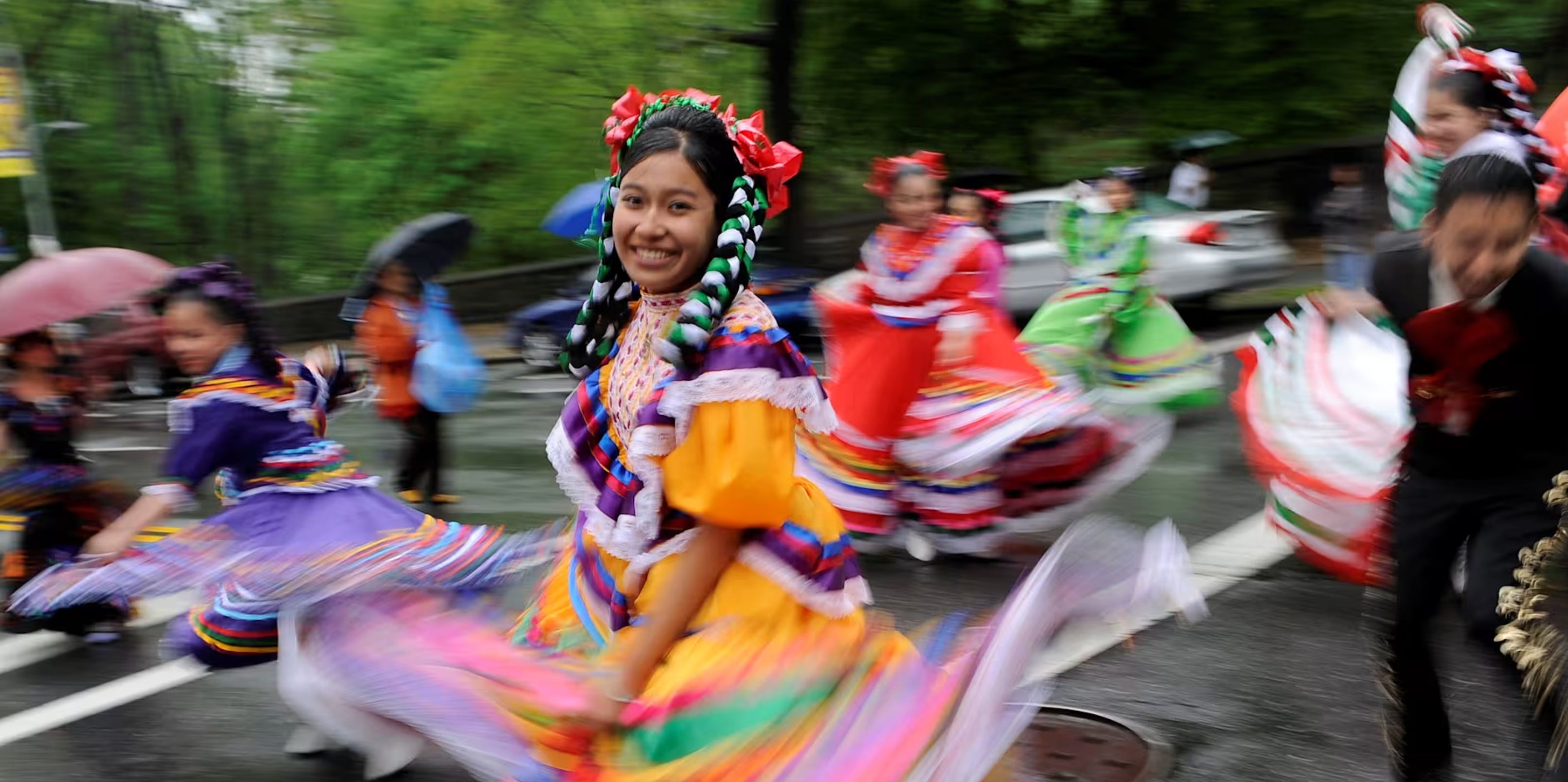
Cinco de Mayo History
Cinco de Mayo is not Mexican Independence Day, a popular misconception. Instead, it commemorates a single military battle in the Franco-Mexican War. Although it’s a relatively minor holiday in Mexico, in the United States, Cinco de Mayo has evolved into a commemoration of Mexican culture and heritage, particularly in areas with large Mexican American populations.
But first, the history.
In 1861, Benito Juárez—a lawyer and member of the Indigenous Zapotec tribe—was elected president of Mexico. At the time, Mexico was in financial ruin after years of internal strife, and the new president was forced to default on debt payments to European governments.
In response, France, Britain and Spain sent naval forces to Veracruz, Mexico, demanding repayment. Britain and Spain negotiated with Mexico and withdrew their forces. France, however, then ruled by Napoleon III, decided to use the opportunity to try to carve an empire out of Mexican territory.
Late in 1861, a well-armed French fleet stormed Veracruz, landing a large force of French troops and driving President Juárez and his government into retreat.
The Battle of Puebla
Much like the Trump regime today, Napoleon - arrogantly certain that success would come swiftly - sent 6,000 French troops, then stationed in Veracruz, under the direction of French General Charles Latrille DeLorencez, to attack Puebla de Los Angeles, a small town south east of the Mexican capitol of Mexico City. From his new headquarters in the north, President Juárez rounded up a ragtag force of 2,000 men loyal to Mexico —many of them either Indigenous Mexicans or of mixed ancestry—and sent them to defend Puebla.
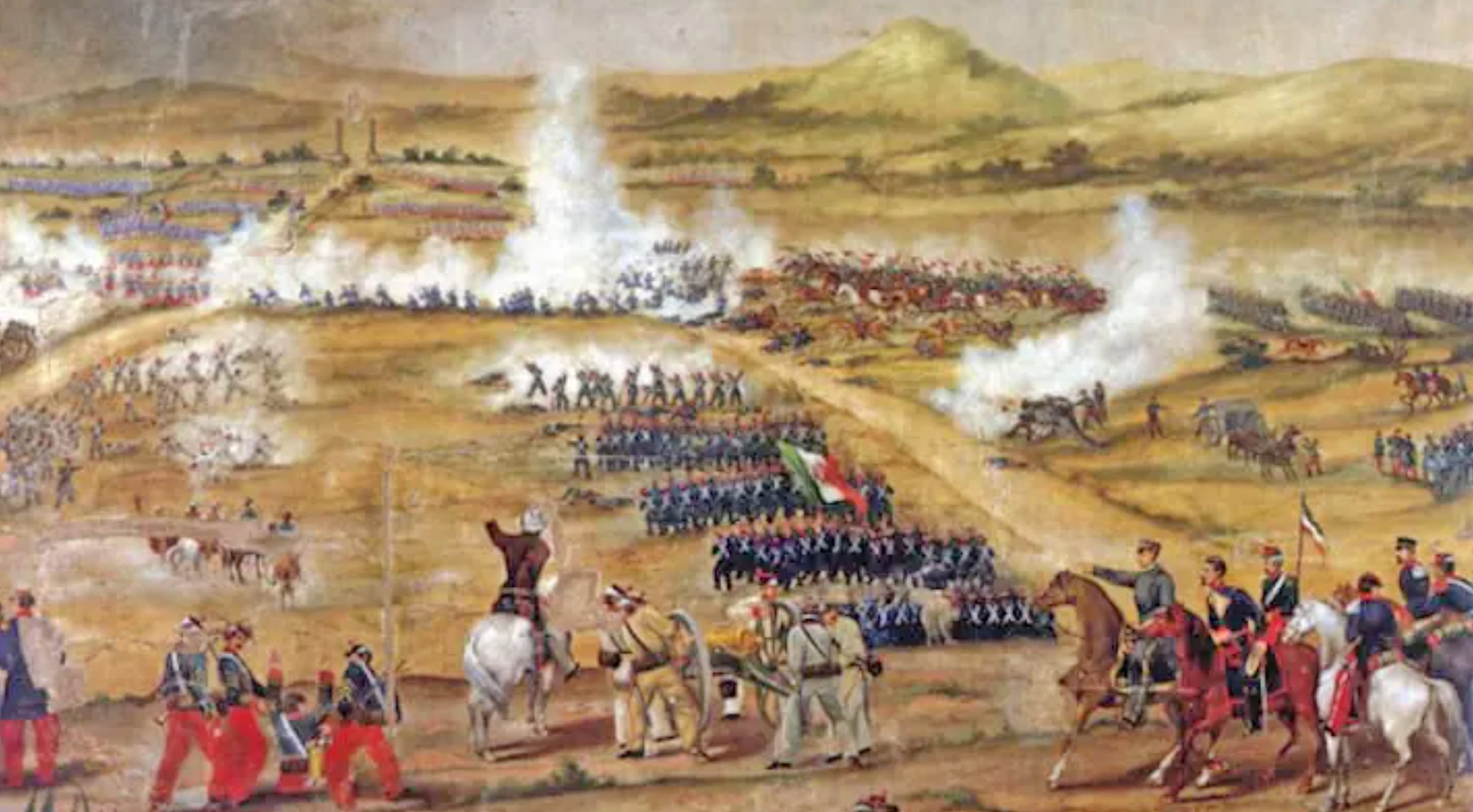
The vastly outnumbered and poorly supplied Mexicans, led by Texas-born General Ignacio Zaragoza, fortified the town and prepared for the French assault. On May 5, 1862, DeLorencez gathered his army—supported by heavy artillery—before the city of Puebla and began his assault.
The Battle of Puebla lasted from daybreak to early evening, and when the French finally retreated, they had lost nearly 500 soldiers. Meanwhile, fewer than 100 Mexicans had been killed in the clash. The French army retreated to Veracruz to lick its wounds and wouldn’t return to take Puebla until a full year later in May of 1863.
Although not a major strategic win in the overall war against the French, Zaragoza’s success at the Battle of Puebla on May 5, 1862 represented a great symbolic victory for the Mexican government, and bolstered the resistance movement. It also helped prevent a major win by the Confederates in the U.S. Civil War.
The year-long delay of the French invasion of Puebla gave Abraham Lincoln’s generals in the U.S. just enough time to win decisive Union victories before Napoleon could provide upgraded artillery and munitions to the Confederacy. Had France won the initial Battle of Puebla de Los Angeles, Napoleon’s French forces would have likely marched right into Mexico City, and may have taken over their government. Since Napoleon supported the Confederacy, such a victory would have been a huge boon to them, and may have turned the tide against Abraham Lincoln and the Union forces.
Thankfully, Zaragoza & the Mexicans won at Puebla. In 1867—thanks in part to military support and political pressure from the United States, which was finally in a position to aid its besieged neighbor after the end of the U.S. Civil War—France finally withdrew from Mexico.
The same year, Austrian Archduke Ferdinand Maximilian, who had been installed as the so-called “Emperor of Mexico” in 1864 by Napoleon, was captured and executed by Juárez’s forces. Puebla de Los Angeles was renamed for General Zaragoza, who died of typhoid fever months after his historic triumph there.
Cinco de Mayo in Mexico
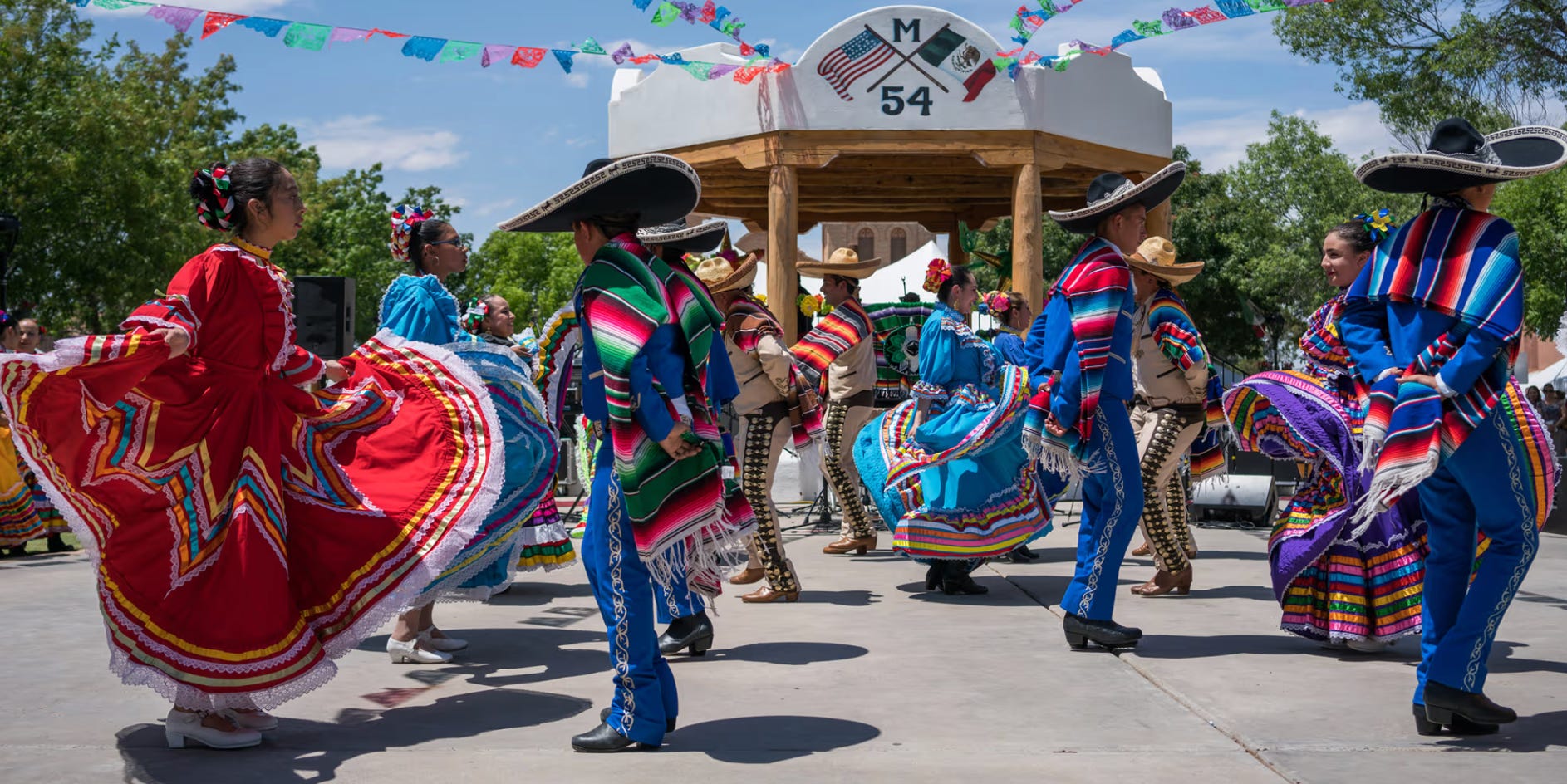
Within Mexico, Cinco de Mayo is primarily observed in the state of Puebla, where Zaragoza’s unlikely victory occurred. Some other parts of the country also take part in the celebration. Traditions include military parades, recreations of the Battle of Puebla and other festive events.
For many Mexicans, however, May 5 is a day like any other: It is not a federal holiday, so offices, banks and stores remain open.
Why Is Cinco de Mayo Celebrated in the United States?
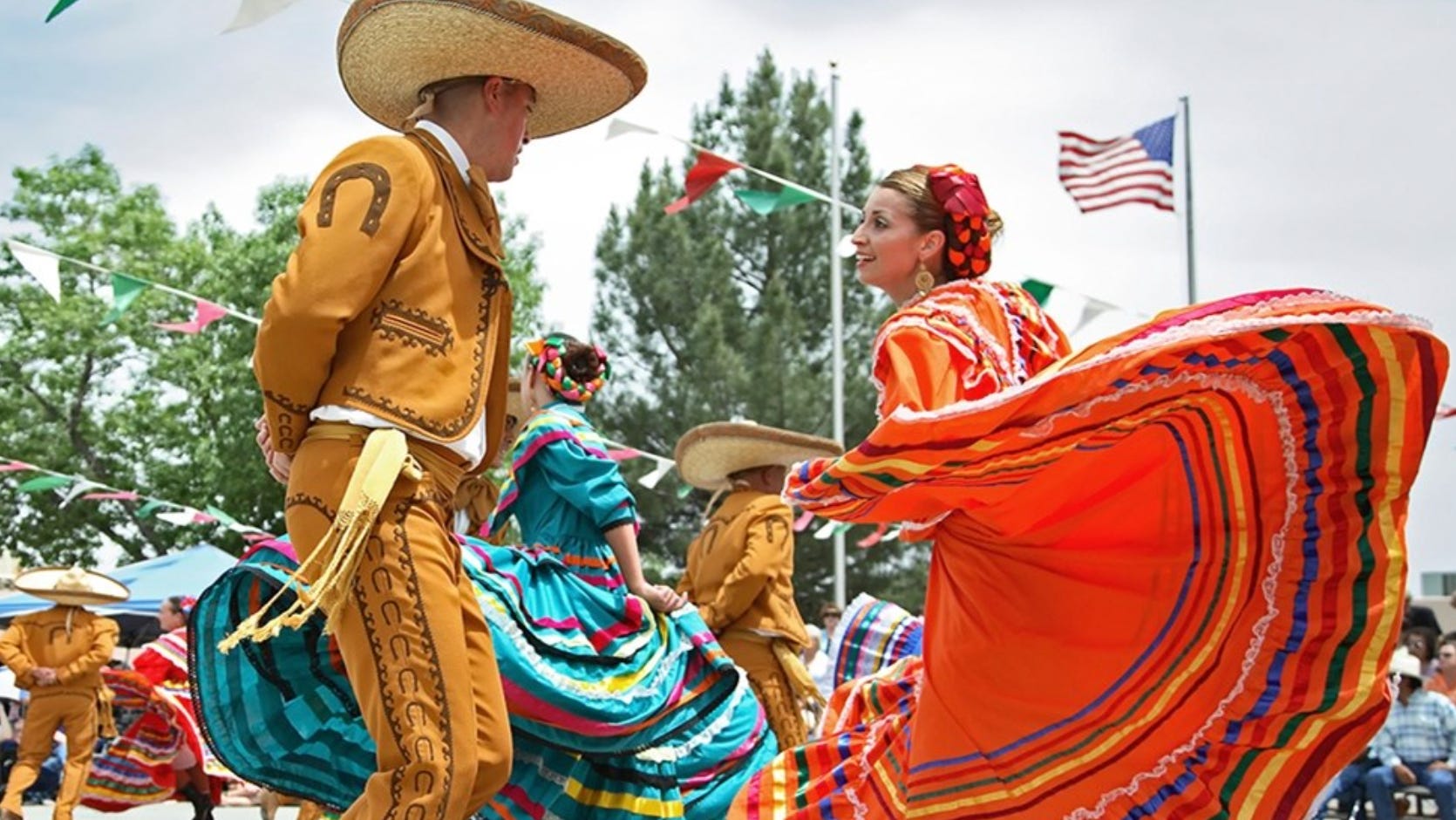
In the United States, Cinco de Mayo is widely interpreted as a celebration of Mexican culture and heritage, particularly in areas with substantial Mexican American populations. Chicano activists raised awareness of the holiday in the 1960s, in part because they identified with the victory of Indigenous Mexicans, such as Juárez, over European invaders during the Battle of Puebla.
Today, revelers mark the occasion with parades, parties, mariachi music, Mexican folk dancing and traditional foods such as tacos and mole poblano. Some of the largest festivals are held in Los Angeles, Chicago and Houston.
Confusion With Mexican Independence Day
Many people outside Mexico mistakenly believe that Cinco de Mayo is a celebration of Mexican independence, which was declared more than 50 years before the Battle of Puebla.
Independence Day in Mexico (Día de la Independencia) is commemorated on September 16. The date is the anniversary of the revolutionary priest Miguel Hidalgo y Costilla’s famous “Grito de Dolores” (“Cry of Dolores,” referring to the city of Dolores Hidalgo, Mexico). His call to arms amounted to a declaration of war against the Spanish colonial government in 1810.
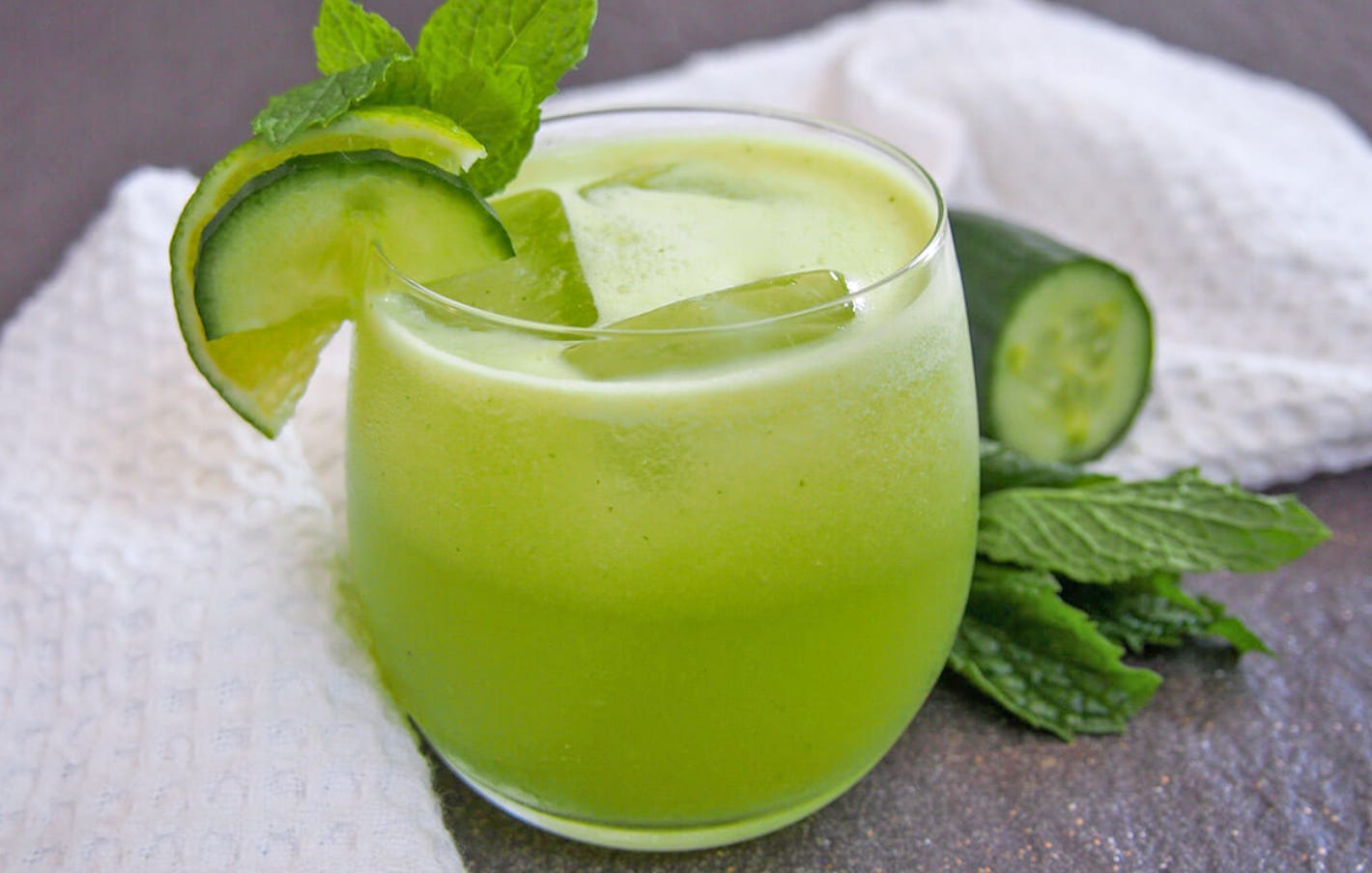
There’s no confusion about this drink, though – well, maybe a little. Today’s Drink Of The Day, an Agua de Pepino is also known as a cucumber agua fresca - and it’s the perfect drink to cool you off after a ay of celebrating and eating spicy Mexican food. Plus, since it’s non-alcoholic, you can have as many as you want!
Ingredients
Here’s what you’re going to need for this drink:
