
Today’s DOTD - Drink Of The Day - is an Oyster Bay Cocktail inspired by National Oyster Day!
National Oyster Day
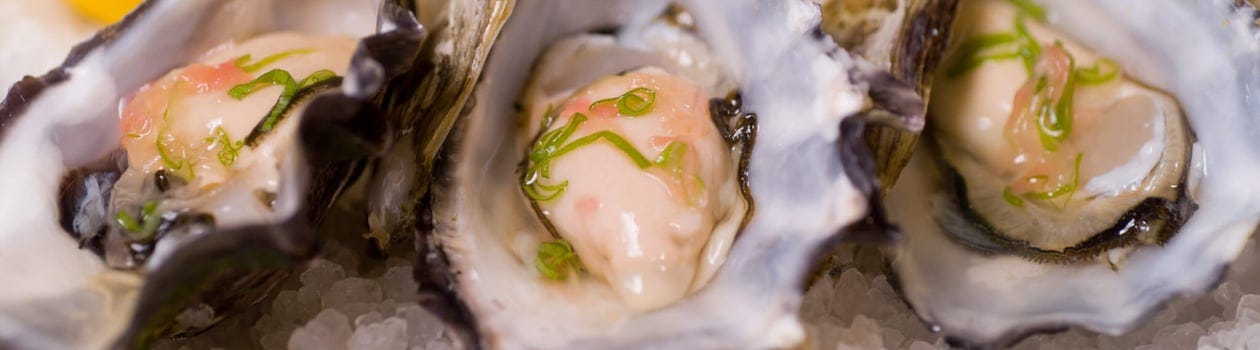
Some say it was a brave man who first ate an oyster. Others say humans have been eating oysters for thousands of years. Regardless of your opinion of them, oysters today are considered by many to be a delicious delicacy, evoking the taste of the sea and the open salt air. While overfishing and pollution have both reduced the supplies of oysters by a considerable degree, nevertheless, they still remain a delicacy that is highly popular today. You probably already know that they are considered an aphrodisiac in some cultures. They’re also rich in vitamin B12, vitamin A, selenium, iron, calcium, and zinc.
Origins Of National Oyster Day
While humans have been eating oysters for over 160,000 years, according to anthropologists, we’ve only really begun celebrating that fact relatively recently. In the U.S., St. Mary’s County, Maryland, began hosting local annual oyster celebrations as early as 1917, usually in early August. Then, in 1983, Maryland Governor Harry Hughes officially proclaimed August 5 as National Oyster Day.
National Oyster Day is a celebration of this most versatile mollusk - though “oyster” is technically the common name for a number of different groups of bivalve mollusks.
Some species of oysters are commonly eaten, either cooked or raw, as a delicacy. While other types of oysters, such as pearl oysters, are not normally consumed by humans, but are instead harvested for their pearls.
How to Celebrate National Oyster Day
The best way to celebrate National Oyster Day is to dine on this delicious treat. Oysters need to be cooked alive or consumed alive. They cannot be eaten safely when they are dead. You can tell whether an oyster is alive or not because a live oyster is able to close its shell. Make sure you keep this in mind so that you consume oysters safely. The last thing you want to do is celebrate National Oyster Day with food poisoning.
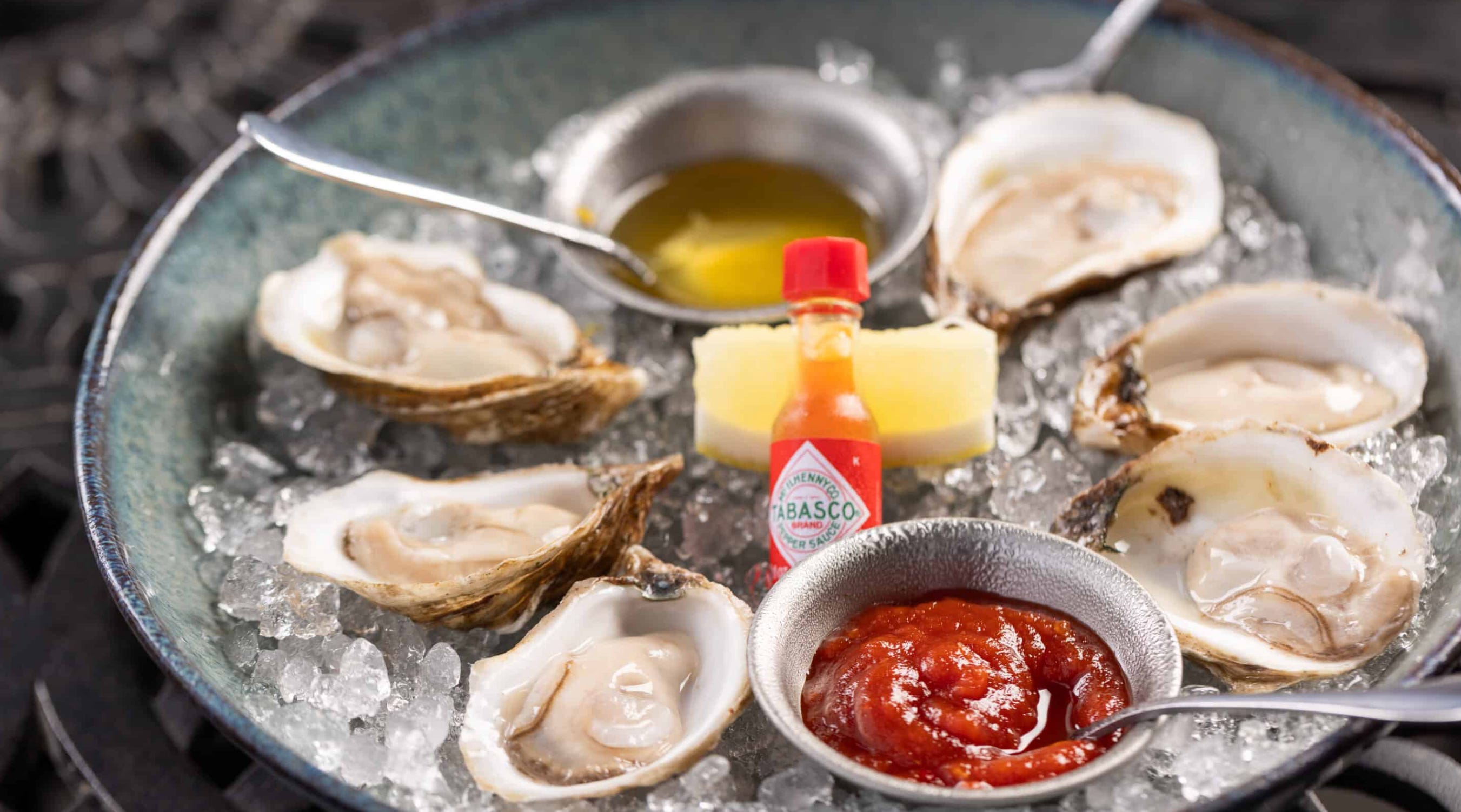
If you want to eat oysters in their most nutritious form, you should eat them raw. Raw oysters tend to be served with a cocktail sauce, vinegar, or lemon.
Salt and butter are also sometimes added. You can also boil oysters, as well as streaming, broiling, roasting, pickling, baking, smoking, and frying them. As you can see, they are a more versatile ingredient than a lot of people realize!
So, to celebrate National Oyster Day, you could attempt to prepare and serve them yourself.
Or, if you don’t want to go to this effort, treat yourself by going to a local seafood restaurant. You never know, there may even be some special oyster recipes on the menu especially for National Oyster Day.
If you’re feeling brave and you’re going to attempt to cook or prepare raw oysters yourself, why not invite some friends around and make an occasion of it?
In terms of choosing the best oysters, just-shucked, live oysters tend to have the best flavor. Just-shucked simply means that they have just been opened.
Native oysters are believed to taste much better than rock oysters, despite the fact that they’re smaller. They have a more complex flavor, with a very faint metallic note.
Oysters are graded based on their size. The smallest being 5 and the biggest being 1. They also tend to grow very slowly. In fact, did you know that it can take as long as three years for oysters to reach their full size?
Moreover, native oysters tend to cost more than rock oysters, and the key here is to eat them as simply as possible. Don’t add lots of flavor and mask the true taste of the oyster. Instead, enjoy the pure taste of the native oyster.
What can you expect from rock oysters? Well, they tend to have a more unctuous flavor. They are salty and sweeter. You can eat them raw and they are good for cooking as well. A lot of people tend to go for these oysters purely because they’re bigger and cheaper as well.
National Oyster Day FAQs
In ancient Rome, oysters were a prized delicacy among the elite. Romans developed early aquaculture techniques, cultivating oysters in artificial ponds to ensure a steady supply. They even imported oysters from distant regions, showcasing their high demand and value in Roman society.
The belief that oysters are aphrodisiacs dates back to ancient mythology, notably the tale of Aphrodite, the Greek goddess of love, emerging from the sea on an oyster shell. While this romantic notion persists, scientific evidence supporting oysters’ aphrodisiac properties remains inconclusive.
Oysters play a vital role in maintaining marine ecosystems. A single oyster can filter up to 50 gallons of water daily, removing pollutants and improving water clarity. Their reefs also provide habitats for various marine species, enhancing biodiversity.
Yes, oysters possess the remarkable ability to change their sex. They often start life as males and can become females as they mature. This gender flexibility increases their reproductive success within their colonies.

Around the world, many different communities celebrate oysters with vibrant festivals. For instance, the Galway International Oyster & Seafood Festival in Ireland, established in 1954, is one of the oldest oyster festivals, featuring shucking competitions and culinary events. Such festivals highlight oysters’ cultural significance and culinary versatility.
Not all oysters produce pearls. Edible oysters belong to a different family than pearl oysters. While both can create pearls, those from edible oysters are typically less lustrous and not as commercially valuable as those from pearl oysters.
In the 19th century, New York Harbor was abundant with oysters, making them a staple food. Discarded oyster shells accumulated in such large quantities that they were repurposed to pave Pearl Street in Manhattan, reflecting the city’s rich oyster history.
The world oyster-eating record stands at consuming 233 oysters in just three minutes. This feat showcases the enthusiasm and competitive spirit surrounding oyster consumption in certain cultures.


An old myth advises against eating oysters in months without the letter ‘R,’ typically the warmer months, due to higher bacteria levels. However, modern refrigeration and food safety practices have made oysters safe to consume year-round.
Oysters’ flavors are influenced by their environment, a concept known as “merroir.” Factors like water salinity, temperature, and mineral content impart distinct taste profiles, making each region’s oysters unique. For example, East Coast oysters are often saltier, while West Coast varieties may taste sweeter.
Ingredients
Here’s what you’re going to need for this drink:
