
Today’s DOTD - Drink Of The Day - is an American Breakfast cocktail & mocktail inspired by the anniversary of the first day the U.S. Constitution officially went into effect in 1789.
As debates raged in taverns, halls, and homes throughout the eastern seaboard in June 1788, only eight of 13 colonies had ratified a future United States Constitution. In order for the Constitution to be officially adopted as the ruling law of the land, it needed to be accepted by at least nine. The future of the fledgling United States government was in the hands of five holdout territories – New Hampshire, Virginia, New York, North Carolina, and Rhode Island.
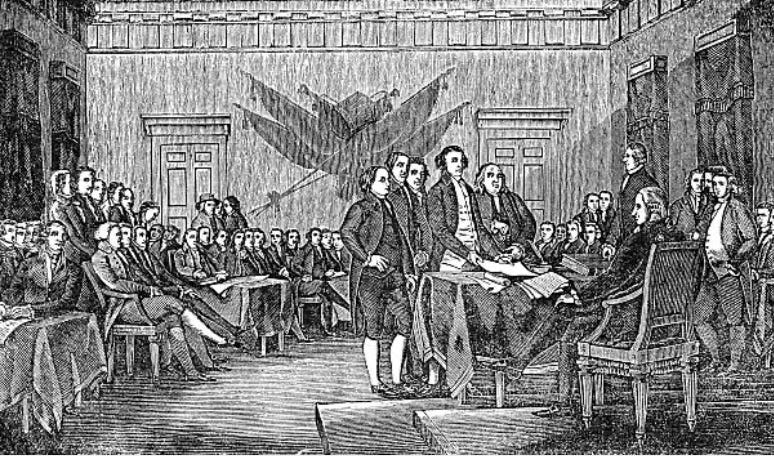
On June 21, 1788, nine months after the George Washington-led Constitutional Convention agreed on a system of government outlined in the Constitution, New Hampshire became the ninth colony to ratify the Constitution, heralding the change in government Washington and the convention members sought.
The road to ratifying the Constitution began with the need for a stronger government. Before ratification, the citizens of the independent colonies were governed by the Articles of Confederation, a stop-gap measure designed to keep the victors of the American Revolution unified in uncertain times.
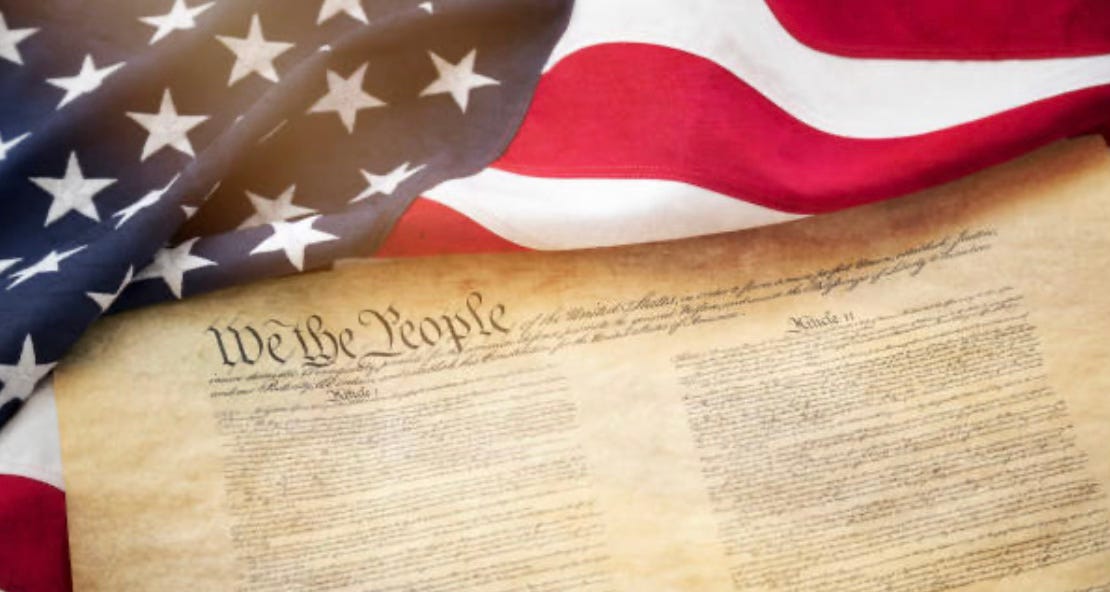
The Articles were a cautious attempt at creating a central government, keeping in mind the political issues colonists had with the British form of government, issues that were at the root of the independence movement to begin with. Because of this, the Articles of Confederation were weak at best, with most of the power of government placed on the individual colonies and Congress serving as the tentative big brother figure to settle disputes that could not be handled between colonies.
However, when national issues such as taxes and commerce surfaced, it became apparent that a stronger overall governing law was needed within the United States. Thus, on May 25, 1787, the Constitutional Convention convened in Philadelphia, Pennsylvania, at the Pennsylvania State House — now famously known as Independence Hall — led by George Washington and attended by representatives from every colony.
The Constitution was signed at the end of the Constitutional Convention by 38 of the 41 delegates present.
The first five states to ratify the Constitution were Connecticut, Delaware, Georgia, New Jersey, and Pennsylvania, beginning Dec. 7, 1787. The rest of the states were still hesitant, especially the Anti-Federalists, who believed the Constitution gave too much power to the federal government and a bill of rights was needed to protect individual liberty & basic freedoms.
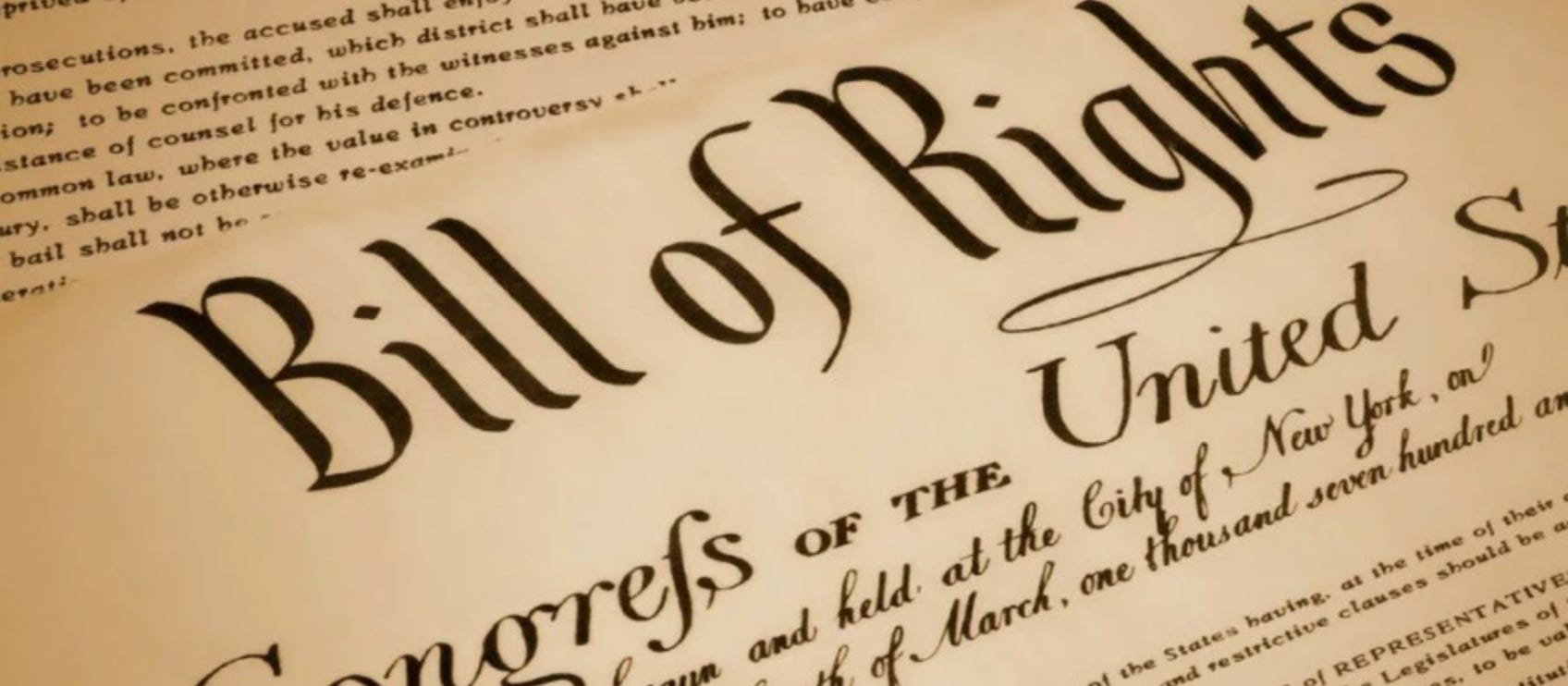
In response to these worries, James Madison, a fierce Federalist, promised that a bill of rights would be added after the Constitution was approved. After the proposition of the Bill of Rights, Massachusetts, Maryland, and South Carolina all ratified the Constitution.
Only one more colony was needed to make the Constitution the official governing law of the United States. Months elapsed as the remaining colonies wavered over the decision for ratification. If a ninth colony did not ratify the Constitution, it would die before it had the chance to go into effect.
On June 21, 1788, New Hampshire ensured the success of the Constitution, becoming the ninth state to ratify it. This made the Constitution the official law of the United States and turned the colonies into states. Virginia and New York soon followed.
On March 4, 1789, the United States Constitution officially went into effect.
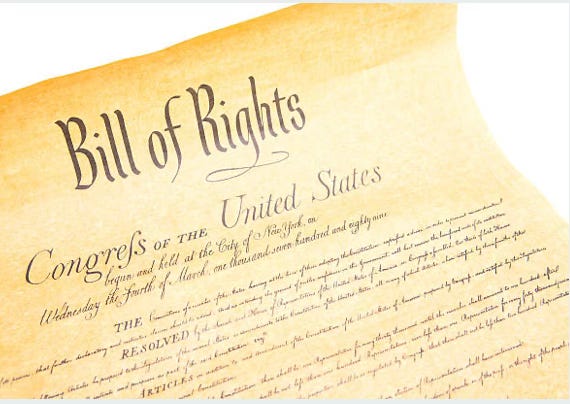
Staying true to his word, Madison followed up with a Bill Of Rights, the first draft of which contained 20 amendments, largely based on the Virginia Declaration of Rights, the English Bill of Rights, and rights defined in the Magna Carta. Congress pared these down, first to 17, and then to the original 12 potential amendments.
On Sept. 25, 1789, the Bill of Rights, proposed to address the concerns of the Anti-federalists were officially sent to the states for ratification. By May 29, 1790, all original 13 colonies were officially under the Constitution and part of the United States of America.
The original first amendment, regarding apportionment of members for the House of Representatives, was never ratified, though if it were ratified today, would give the U.S. House around 7000 members (One member for every 50k persons). The original second amendment limited changes to congressional pay to only take effect in the next Congress, and it was finally ratified in 1992, becoming the 27th amendment - 203 years after it was first sent to the states.

Because of the essential ratification of the Constitution by the states, the U.S. Constitution became official, joining the states with a separate federal government. Today that Constitution remains a living document, with six amendments still outstanding - including the Equal Rights Amendment - and it remains the oldest written constitution still in effect worldwide.
So in salute to the U.S. Constitution, and to all those who helped bring it about, we give you today’s Drink Of The Day, an American Breakfast cocktail & mocktail.
Ingredients
Here’s what you’re going to need for this drink:
